Commission Leader, Judge Respond to Judicial Qualification Commission Comments
Letters to the Editor, The New York Law Journal - November 17, 2009
Commission Leader Takes Issue With Counsel's Comments
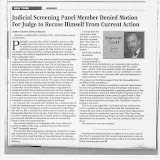
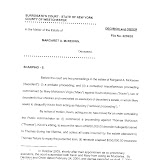
I am the chair of the Manhattan Independent Judicial Election Qualification Commission and was appointed by former Chief Judge Judith Kaye. The article, "After Three Elections, Voter Awareness of Screening and Participation by Judicial Candidates Stays Low," which appeared in the Law Journal on Nov. 12, quotes Arthur Greig, former counsel to New York County Democrats, as follows: "Moreover, he said party-backed candidates had been treated unfairly by the First Judicial District commission since it has been operating. Two candidates were found unqualified and a third, Mr. Greig said, was given a hard time. After Mr. Greig protested the two unqualified ratings, the panel reversed itself, he said." Without violating the confidential nature of the screening commission, this statement is not factual. In fact, I do not recall Mr. Greig's name even being mentioned in a meeting of the commission. No decision made by the commission was ever based upon a communication from Mr. Greig. Moreover, I was never asked by the Law Journal to comment on Mr. Greig's statement or proceedings before the commission. Throughout my legal career, I have been a strong advocate of judicial screening committees. The Manhattan commission consists of lay persons, lawyers and former judges. The commission provides a valuable service to the public. If results of the commission are not publicized, then efforts should be made to publicize them. I remain ready, willing and able to discuss and/or debate the merits of these commissions at any time.
George Bundy Smith
New York, N.Y.
Judge Urges Reform of Review Commissions
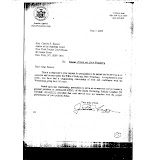
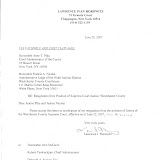
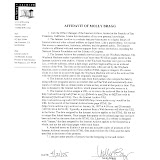
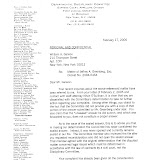
I read the Nov. 12 article, "After Three Elections, Voter Awareness of Screening and Participation by Judicial Candidates Stays Low," with great interest. My name is mentioned as the only candidate who received a negative rating from the Independent Judicial Election Qualification Commission, yet no one contacted me to find out how I had been treated by the committee. Below is a copy of a letter I sent to the committee at the time I requested a re-evaluation hearing. In short, I was treated in an unbelievably shabby fashion. The very first question I was asked was whether or not I was a Republican, and the interview (in fact, both interviews) quickly went downhill from there. However, I was found qualified by the bar associations of the Bronx and New York County. I have no confidence in the so-called "Independent" committee, and I will not participate in their screening again until their process is reformed. The following is a slightly edited version of the letter Judge Wilson sent to the Twelfth Judicial District's committee.
I am in receipt of your letter of Sept. 14, 2009, informing me that the Commission 'has not found (me) qualified at this time for election' to the Supreme Court, Bronx County. Pursuant to Appendix A, Sec. 7a of Part 150 of the Rules of the Chief Administrative Judge, I hereby request a reconsideration of the Commission's determination. At the outset, I must express my surprise at the decision of the Commission. In 2002, I was approved for election to the Supreme Court, Bronx County by the Committee of the Judiciary of the Association of the Bar of the City of New York. In November of 2004, I was elected to the Civil Court, Bronx County, and was assigned to serve in the Criminal Court, Kings County. In January of 2006, I volunteered to serve in Night Court, Kings County, where I continue to exercise the powers of an Acting Supreme Court Justice. Thus, I cannot understand how I could be qualified for Supreme Court in 2002, perform the duties of a Supreme Court Justice since 2006, and not be qualified for election to the Supreme Court in 2009. In any event, I am at a distinct disadvantage in making this request for a reconsideration, since I do not know the basis for the Commission's determination. When I spoke with…[the office, I was told] that the ballot is secret, and no reason is given for the decision of the Commissioners. Of necessity, I must protest the untenable position in which I, or any other candidate in a similar situation, am placed. Your letter of Sept. 14 allows me the option of submitting additional materials, however, I do not know what deficiencies in my original materials and interview are to be addressed. Since the Commission has not given me notice of their concerns regarding my qualifications, how can I, or any other candidate, reasonably answer those undisclosed concerns?
What if some of the Commissioners hold an insidious bias, or an intent to discriminate against me, or any other candidate? By not giving me, or any similarly situated candidate a rational basis for their rejection, the Commissioners are given free reign to act on any such bias, unchecked and unaccountable. Since your rejection of my credentials will no doubt appear in the New York Law Journal, it is appropriate that the method by which the Commission makes its determinations should be examined in the same public venue. Therefore, in an effort to foster transparency in what appears to be a veiled and secretive selection process, I have taken the liberty of submitting a copy of this letter for publication. Whether your Commission reconsiders my qualifications, or not, I urge you to reform the process by which you make your decisions. Rather than reject the qualifications of a candidate for judicial office without explanation or reason, the Commission should give an objective, rational explanation for its decision to find a candidate unqualified for judicial office. To continue the current practice deprives candidates of a meaningful opportunity to respond, and is unseemly for a profession dedicated to the zealous protection of the due process of all individuals who appear before the Court."
John H. Wilson
The author is a Bronx Civil Court judge assignedto Brooklyn Criminal Court.
Tuesday, November 17, 2009


Monday, November 16, 2009
Lying, Stripper-Loving, Disbarred Judge Avoids Jail
Judge Whose High-Flying Career Crashed and Burned Over Affair With Stripper Avoids Jail
The Associated Press by Mitch Stacy - November 16, 2009
The Associated Press by Mitch Stacy - November 16, 2009
A former Florida judge whose esteemed legal career ended amid accusations about his relationship with a stripper was sentenced Friday to serve one year of probation for bank fraud. Thomas E. Stringer, 65, lamented his damaged reputation and the pain he has caused to his family and others. "I'm deeply sorry for my conduct," he told U.S. District Judge Elizabeth A. Kovachevich of the Middle District of Florida, who ordered him to also do 150 hours of community service and pay a fine. Kovachevich said the light sentence was justified because of Stringer's long, distinguished legal career and service to the community. Prosecutor Robert O'Neill agreed, saying Stringer's crime "centered on a private matter." The former 2nd District Court of Appeal judge resigned in February, months after stripper Christy Yamanaka appeared on a Tampa, Fla., television station and detailed how Stringer let her put money she made into his bank accounts. That allowed her to hide her income from creditors trying to collect hundreds of thousands of dollars in debt. Yamanaka said the two had a 13-year romantic relationship. Stringer pleaded guilty in August to using false information on a mortgage application for a home in Hawaii. He was disbarred by the Florida Supreme Court last month. The Judicial Qualifications Commission, which oversees judges in Florida, investigated and found probable cause to believe Stringer opened bank accounts in his name and let Yamanaka use them from 2003 to 2007 to hide assets. The commission also accused him of listing himself as the sole owner of the Hawaii home and accepting lavish gifts. The commission dropped its ethics complaint after Stringer resigned. According to the plea agreement, Stringer lied about the source of funds for a down payment on a home in Ewa Beach, Hawaii. On the loan application, he said none of the money was borrowed. In fact, prosecutors say that money came from another individual, identified only as "Jane Doe," who transferred funds into his account. Yamanaka, who does not have a listed phone number, is not named in any of the court records. Prior to the allegations involving Yamanaka, Stringer was a highly respected figure in the Florida legal community. He was the first black graduate from Stetson University College of Law in Gulfport, Fla., and was inducted into the school's hall of fame in 2007. Before serving on the appeals court, he was a circuit court judge in the family law division.
Sunday, November 15, 2009
UPDATE On Chicken Noodle Judge
UPDATE: Judge Denies Buying Sex, Only Visited Sex Shop For Tasty Chicken Soup
CLICK HERE TO READ ORIGINAL STORY
Judge Hecht Resigns After Guilty Verdict
Pierce County Superior Court Judge Michael A. Hecht has resigned his seat on the bench.
Hecht, 59, notified the court and Gov. Chris Gregoire of his decision by letter Monday. His departure takes effect Nov. 16 – three days before his scheduled sentencing on charges of felony harassment and paying a man for sex. A jury returned guilty verdicts against Hecht last week. “Regrettably, as a result of my conviction in Pierce County Superior Court, in order to uphold the integrity of the court system of which I feel strongly about, I do not believe I have any choice but to resign,” Hecht’s letter stated. Before and during the trial, Hecht said he was innocent. His letter underscored that position, hinting that he will appeal his conviction. “It is my intent to keep fighting to reverse this injustice and reinstate my good name,” Hecht wrote. “But I will do that independently of attempting to remain on the bench under the current situation. I have requested nothing in return for this resignation.” By resigning, Hecht will remove himself from the county payroll. His annual salary is $148,000. He hasn’t worked since March when he took a paid leave of absence shortly after the criminal charges were filed. His decision forestalls a clash between the executive and judicial branches of Pierce County government. The debate among county leaders revolved around the process of removing Hecht from the bench. The executive branch, citing state law, contended that a felony conviction automatically removed Hecht from the bench and the county payroll. The judicial branch argued otherwise, citing the state constitution, which outlines the process for removing judges. That removal process, which promised to last into next spring, would have forced the county to continue paying Hecht’s salary, even if his sentence included jail time.
Last week, executive branch leaders raised the prospect of cutting Hecht off the payroll immediately and forcing a legal confrontation. In his resignation, Hecht alluded to the conflict, stating that he hoped “to avoid any further discourse between the County Executive and those who protect the Washington State Constitution.” Judge Bryan Chushcoff, who presides over the Superior Court, released a statement welcoming Hecht’s decision. “It was probable that but for Mr. Hecht’s resignation, it would be some considerable time before the matter would be resolved,” Chushcoff wrote. “We believe that this decision will begin to restore public confidence in the court and will allow the governor an opportunity to appoint a new judge who can help shoulder the heavy workload in Pierce County Superior Court.” Hecht’s decision triggers the search for his replacement. The process could take as long as three months. Superior Court judges are elected, but vacancies are filled by appointment. Gregoire will make the selection after consulting with leaders of the state and local bar associations. The process starts with a formal notice of vacancy sent to the bar association. That announcement was expected Monday or today, said Marty Loesch, senior counsel to the governor.
Next, the bar association requests applications. The window typically stays open for a month, Loesch said. Candidate interviews follow, then a poll of the bar association, then analysis and finally a recommendation to the governor, who makes the pick. Loesch said the holidays might slow the process. On the other hand, the Superior Court has been operating minus one judge for most of the year. “We understand that they’d like to get the position filled as quickly as possible, as does the governor,” Loesch said. Reiko Callner, executive director of the state’s Commission on Judicial Conduct, said Hecht’s resignation wouldn’t necessarily stop her agency’s investigation into the disgraced judge’s behavior. The commission filed a “statement of charges” against Hecht earlier this year, accusing him of violating judicial canons by allegedly trading cash and legal advice for sex, threatening two men, using racially insensitive language and engaging in unfair campaign conduct.
Hecht denies the charges.
The commission’s fact-finding hearing is set to begin Feb. 22 at the King County Courthouse in Seattle. The hearing will proceed unless Hecht negotiates a resolution to the matter beforehand, Callner said. Whatever the outcome, the commission cannot overturn Hecht’s criminal conviction; that power rests with state appeals courts.
Sean Robinson: 253-597-8486 - sean.robinson@thenewstribune.com - Staff writer Adam Lynn contributed to this report.
November 2, 2009
The Honorable Bryan E. Chushcoff
Pierce County Superior Court
930 Tacoma Avenue South
Department 4
Tacoma, WA 98402
Dear Judge Chushcoff:
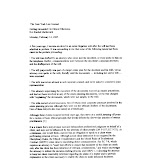
Regrettably, as a result of my conviction in Pierce County Superior Court, in order to uphold the integrity of the court system of which I feel strongly about, I do not believe I have any choice but to resign. Therefore, to avoid any further discourse between the County Executive and those who protect the Washington State Constitution, I submit my resignation as Superior Court Judge, Department 9, effective November 16, 2009. It is my intent to keep fighting to reverse this injustice and reinstate my good name. But I will do that independently of attempting to remain on the bench under the current situation. I have requested nothing in return for this resignation. As a result, you may begin the process of appointing a successor to my position so that Pierce County Superior Court will not be burdened any longer. I want to thank all of the Judges and my loyal staff for their kind words of encouragement and support during this whole process. Thank you for your consideration in this matter.
Very truly yours,
Judge Hecht Resigns After Guilty Verdict
Pierce County Superior Court Judge Michael A. Hecht has resigned his seat on the bench.
Hecht, 59, notified the court and Gov. Chris Gregoire of his decision by letter Monday. His departure takes effect Nov. 16 – three days before his scheduled sentencing on charges of felony harassment and paying a man for sex. A jury returned guilty verdicts against Hecht last week. “Regrettably, as a result of my conviction in Pierce County Superior Court, in order to uphold the integrity of the court system of which I feel strongly about, I do not believe I have any choice but to resign,” Hecht’s letter stated. Before and during the trial, Hecht said he was innocent. His letter underscored that position, hinting that he will appeal his conviction. “It is my intent to keep fighting to reverse this injustice and reinstate my good name,” Hecht wrote. “But I will do that independently of attempting to remain on the bench under the current situation. I have requested nothing in return for this resignation.” By resigning, Hecht will remove himself from the county payroll. His annual salary is $148,000. He hasn’t worked since March when he took a paid leave of absence shortly after the criminal charges were filed. His decision forestalls a clash between the executive and judicial branches of Pierce County government. The debate among county leaders revolved around the process of removing Hecht from the bench. The executive branch, citing state law, contended that a felony conviction automatically removed Hecht from the bench and the county payroll. The judicial branch argued otherwise, citing the state constitution, which outlines the process for removing judges. That removal process, which promised to last into next spring, would have forced the county to continue paying Hecht’s salary, even if his sentence included jail time.
Last week, executive branch leaders raised the prospect of cutting Hecht off the payroll immediately and forcing a legal confrontation. In his resignation, Hecht alluded to the conflict, stating that he hoped “to avoid any further discourse between the County Executive and those who protect the Washington State Constitution.” Judge Bryan Chushcoff, who presides over the Superior Court, released a statement welcoming Hecht’s decision. “It was probable that but for Mr. Hecht’s resignation, it would be some considerable time before the matter would be resolved,” Chushcoff wrote. “We believe that this decision will begin to restore public confidence in the court and will allow the governor an opportunity to appoint a new judge who can help shoulder the heavy workload in Pierce County Superior Court.” Hecht’s decision triggers the search for his replacement. The process could take as long as three months. Superior Court judges are elected, but vacancies are filled by appointment. Gregoire will make the selection after consulting with leaders of the state and local bar associations. The process starts with a formal notice of vacancy sent to the bar association. That announcement was expected Monday or today, said Marty Loesch, senior counsel to the governor.
Next, the bar association requests applications. The window typically stays open for a month, Loesch said. Candidate interviews follow, then a poll of the bar association, then analysis and finally a recommendation to the governor, who makes the pick. Loesch said the holidays might slow the process. On the other hand, the Superior Court has been operating minus one judge for most of the year. “We understand that they’d like to get the position filled as quickly as possible, as does the governor,” Loesch said. Reiko Callner, executive director of the state’s Commission on Judicial Conduct, said Hecht’s resignation wouldn’t necessarily stop her agency’s investigation into the disgraced judge’s behavior. The commission filed a “statement of charges” against Hecht earlier this year, accusing him of violating judicial canons by allegedly trading cash and legal advice for sex, threatening two men, using racially insensitive language and engaging in unfair campaign conduct.
Hecht denies the charges.
The commission’s fact-finding hearing is set to begin Feb. 22 at the King County Courthouse in Seattle. The hearing will proceed unless Hecht negotiates a resolution to the matter beforehand, Callner said. Whatever the outcome, the commission cannot overturn Hecht’s criminal conviction; that power rests with state appeals courts.
Sean Robinson: 253-597-8486 - sean.robinson@thenewstribune.com - Staff writer Adam Lynn contributed to this report.
Here's Judge Hecht's resignation letter:
November 2, 2009
The Honorable Bryan E. Chushcoff
Pierce County Superior Court
930 Tacoma Avenue South
Department 4
Tacoma, WA 98402
Dear Judge Chushcoff:
Regrettably, as a result of my conviction in Pierce County Superior Court, in order to uphold the integrity of the court system of which I feel strongly about, I do not believe I have any choice but to resign. Therefore, to avoid any further discourse between the County Executive and those who protect the Washington State Constitution, I submit my resignation as Superior Court Judge, Department 9, effective November 16, 2009. It is my intent to keep fighting to reverse this injustice and reinstate my good name. But I will do that independently of attempting to remain on the bench under the current situation. I have requested nothing in return for this resignation. As a result, you may begin the process of appointing a successor to my position so that Pierce County Superior Court will not be burdened any longer. I want to thank all of the Judges and my loyal staff for their kind words of encouragement and support during this whole process. Thank you for your consideration in this matter.
Very truly yours,
Michael A. Hecht
MAH: smh
Cc: Gov. Christine Gregoire
MAH: smh
Cc: Gov. Christine Gregoire
Saturday, November 14, 2009
Famed Judge Gets 18 Months for Lying to FBI
Famed Miss. judge gets 18 months for lying to FBI
The Associated Press by HOLBROOK MOHR - November 13, 2009
ABERDEEN, Miss. — Bobby DeLaughter, a history-making prosecutor who became a judge, was sentenced Friday to 18 months for federal obstruction in a case that ended his career and brought down some of the most powerful lawyers in Mississippi. The 55-year-old DeLaughter, sentenced by U.S. District Judge Glen Davidson in Aberdeen, apologized in the courtroom. "I do want to express my sincere apologies not only to this honorable court, but to all my former colleagues, the people of Mississippi, and especially the people of Hinds County," DeLaughter said. He must report to prison on Jan. 4. The former Hinds County circuit judge pleaded guilty in July to obstruction of justice. He admitted lying to an FBI agent during a judicial corruption investigation. Davidson said DeLaughter had brought shame to the profession. The judge told DeLaughter he had experienced extreme highs and lows in his career. "You've been to peaks and today you stand in a very deep valley," Davidson said. The bearded DeLaughter was visibly tense. Wearing a dark gray suit, he fidgeted with a jacket button as he approached the bench. DeLaughter (deh-LAW'-ter) made a name for himself in 1994 when he was an assistant district attorney and helped convict Byron de la Beckwith for the 30-year-old murder of civil rights leader Medgar Evers. Evers was gunned down in 1963. The trial was the basis for the 1996 movie "Ghosts of Mississippi," with Alec Baldwin playing DeLaughter. DeLaughter also wrote a book about the case, "Never Too Late: A Prosecutor's Story of Justice in the Medgar Evers Case." DeLaughter's attorney, Thomas Durkin, said he hoped his client's life wouldn't be judged on the obstruction case. "But for this incident, Bobby DeLaughter's life has been nothing short of noble and spectacular. Nothing that happens here today will diminish that," Durkin said after the sentencing. DeLaughter's reputation was solid by 2002, when then-Gov. Ronnie Musgrove appointed him to an open judicial seat. He was later elected to the position. His storied career came crashing down in the bribery scandal that also snagged Richard "Dickie" Scruggs, the chief architect of the multibillion-dollar tobacco litigation of the 1990s, depicted in the movie "The Insider," starring Al Pacino and Russell Crowe. DeLaughter was presiding over a lawsuit in which a lawyer sued Scruggs for a bigger cut of millions of dollars in legal fees from asbestos litigation. Prosecutors said DeLaughter ruled in Scruggs' favor in the case in exchange for a promise that he'd be considered for a federal judgeship. DeLaughter ruled in 2006 that Scruggs didn't owe the former partner anything more than a belated $1.5 million payment. The ruling was contrary to the findings of a special master appointed to weigh the evidence before trial. A settlement was reached in the lawsuit Thursday, said Charlie Merkel, an attorney who represents the lawyer who sued Scruggs. The terms of the settlement agreement were confidential, Merkel said. DeLaughter only pleaded guilty to lying to the FBI. As part of DeLaughter's plea deal, prosecutors dropped conspiracy and mail fraud charges. He asked to serve his sentence either in a prison in Montgomery, Ala., or one in Pensacola, Fla. Beckwith's son, Byron de la Beckwith Jr., said, "He's getting a slap on the wrist. A very light slap." He also said DeLaughter should not be allowed to self-report to prison or request where he can serve his time. Wearing a maroon jacket with a Confederate flag pin on the lapel, Beckwith said DeLaughter should have left the court in handcuffs. Medgar Evers' widow, Myrlie Evers-Williams, said earlier during a telephone interview that she was saddened by DeLaughter's fall. "It's just very sad about what has happened in Bobby's life. I have known him only to be an upstanding citizen, dedicated to his work, and certainly a large degree of bravery that has run through his adult life," Evers-Williams said.
The Associated Press by HOLBROOK MOHR - November 13, 2009
ABERDEEN, Miss. — Bobby DeLaughter, a history-making prosecutor who became a judge, was sentenced Friday to 18 months for federal obstruction in a case that ended his career and brought down some of the most powerful lawyers in Mississippi. The 55-year-old DeLaughter, sentenced by U.S. District Judge Glen Davidson in Aberdeen, apologized in the courtroom. "I do want to express my sincere apologies not only to this honorable court, but to all my former colleagues, the people of Mississippi, and especially the people of Hinds County," DeLaughter said. He must report to prison on Jan. 4. The former Hinds County circuit judge pleaded guilty in July to obstruction of justice. He admitted lying to an FBI agent during a judicial corruption investigation. Davidson said DeLaughter had brought shame to the profession. The judge told DeLaughter he had experienced extreme highs and lows in his career. "You've been to peaks and today you stand in a very deep valley," Davidson said. The bearded DeLaughter was visibly tense. Wearing a dark gray suit, he fidgeted with a jacket button as he approached the bench. DeLaughter (deh-LAW'-ter) made a name for himself in 1994 when he was an assistant district attorney and helped convict Byron de la Beckwith for the 30-year-old murder of civil rights leader Medgar Evers. Evers was gunned down in 1963. The trial was the basis for the 1996 movie "Ghosts of Mississippi," with Alec Baldwin playing DeLaughter. DeLaughter also wrote a book about the case, "Never Too Late: A Prosecutor's Story of Justice in the Medgar Evers Case." DeLaughter's attorney, Thomas Durkin, said he hoped his client's life wouldn't be judged on the obstruction case. "But for this incident, Bobby DeLaughter's life has been nothing short of noble and spectacular. Nothing that happens here today will diminish that," Durkin said after the sentencing. DeLaughter's reputation was solid by 2002, when then-Gov. Ronnie Musgrove appointed him to an open judicial seat. He was later elected to the position. His storied career came crashing down in the bribery scandal that also snagged Richard "Dickie" Scruggs, the chief architect of the multibillion-dollar tobacco litigation of the 1990s, depicted in the movie "The Insider," starring Al Pacino and Russell Crowe. DeLaughter was presiding over a lawsuit in which a lawyer sued Scruggs for a bigger cut of millions of dollars in legal fees from asbestos litigation. Prosecutors said DeLaughter ruled in Scruggs' favor in the case in exchange for a promise that he'd be considered for a federal judgeship. DeLaughter ruled in 2006 that Scruggs didn't owe the former partner anything more than a belated $1.5 million payment. The ruling was contrary to the findings of a special master appointed to weigh the evidence before trial. A settlement was reached in the lawsuit Thursday, said Charlie Merkel, an attorney who represents the lawyer who sued Scruggs. The terms of the settlement agreement were confidential, Merkel said. DeLaughter only pleaded guilty to lying to the FBI. As part of DeLaughter's plea deal, prosecutors dropped conspiracy and mail fraud charges. He asked to serve his sentence either in a prison in Montgomery, Ala., or one in Pensacola, Fla. Beckwith's son, Byron de la Beckwith Jr., said, "He's getting a slap on the wrist. A very light slap." He also said DeLaughter should not be allowed to self-report to prison or request where he can serve his time. Wearing a maroon jacket with a Confederate flag pin on the lapel, Beckwith said DeLaughter should have left the court in handcuffs. Medgar Evers' widow, Myrlie Evers-Williams, said earlier during a telephone interview that she was saddened by DeLaughter's fall. "It's just very sad about what has happened in Bobby's life. I have known him only to be an upstanding citizen, dedicated to his work, and certainly a large degree of bravery that has run through his adult life," Evers-Williams said.
Friday, November 13, 2009
Memo to NY AG Cuomo: Have Georgia on Your Mind
Special Prosecutor to Handle Charges That Judge Bullied Lawyers and Clerks, Kept Porn on Laptop
The Daily Report by R. Robin McDonald - November 13, 2009
• Doss engaged in physical altercations of “an insulting and provoking nature” with staff, including pushing or shoving them and, in one instance, throwing documents at the Gilmer County clerk during a court proceeding in alleged violations of the state's simple battery or simple assault statutes.
Although JQC charges and trials—the latter are rare—are open to the public, the agency's investigative files normally remain confidential. But the JQC's governing rules state that confidentiality “shall not apply to any information which the commission considers to be relevant to any current or future civil or criminal action against a judge.” The rules also state that “upon receipt of a duly issued subpoena or court order by any state or federal court of record, the Commission is authorized to comply ... .” Asked if the commission would turn over its confidential files to a special prosecutor, Easterlin said, “Not voluntarily.” He added, “We would certainly respond appropriately to any subpoena.” “The JQC would follow its rules regarding confidentiality,” Easterlin explained. “To the extent that those rules do not provide for us to disseminate information, we're not going to do it. To the extent they don't prohibit that, we are going to cooperate with any authority.”
The Daily Report by R. Robin McDonald - November 13, 2009
ATLANTA, GA - The Georgia attorney general will appoint a special prosecutor to investigate allegations of criminal conduct by Appalachian Circuit Superior Court Judge Oliver Harris “Harry” Doss Jr. Appalachian Circuit District Attorney Joe W. Hendricks Jr. sent a letter to Attorney General Thurbert E. Baker on Wednesday asking him to appoint a district attorney pro tem to review criminal allegations contained in a list of formal charges the Judicial Qualifications Commission filed against Doss on Monday. Hendricks recused as prosecutor, citing “the appearance of a substantial conflict of interest.” Daryl A. Robinson, counsel to the AG's office, said Thursday that a special prosecutor will be appointed “pretty quickly,” most likely within the week. Doss' attorney, Troutman Sanders senior counsel Norman L. Underwood, declined to comment on the attorney general's decision to appoint a special prosecutor. He said he intended to recommend that Doss retain criminal defense counsel. Underwood said that he and his client are preparing a formal response to the JQC charges, although he said Doss had addressed some of them earlier in private with JQC members. Since the charges were filed Monday, he said, “There have not been any negotiations” with the JQC over the conditions attached to Doss' resignation. The JQC charges against Doss accuse him of violating the state's judicial canons by engaging in lengthy delays, often a year or more, before issuing court orders on motions; abusive behavior toward lawyers and others; and misappropriating state property and funds by giving county laptops to his wife, his son and a former law clerk and unauthorized raises to his personal staff. The JQC charges followed a 10-month investigation of Doss and came three days after Doss submitted his resignation to Gov. Sonny Perdue. In his resignation letter, effective Dec. 5, the judge blasted the JQC for alleged bias and for its lack of confidentiality in handling the inquiry. The JQC earlier had given Doss until Nov. 6 to resign. In a letter to Doss dated Tuesday, Perdue accepted the judge's resignation. Last Saturday, the circuit's other two judges issued an order stripping Doss of his criminal docket, citing tension between the judge and the DA and identifying an incident found in the JQC charges in which Doss had threatened an assistant prosecutor who refused to change a negotiated plea agreement and, according to Hendricks, “acted like a bully.” The judges' order was issued after Doss refused to voluntarily step aside in favor of a senior judge. Since then, Hendricks said, Doss has informed the circuit's Superior Court Chief Judge Brenda W. Weaver that he will voluntarily cancel his pending civil docket and take action only on those civil cases where he has held hearings and motions are still pending. Hendricks said he has asked that an independent prosecutor review the JQC charges alleging criminal behavior because, “A state constitutional commission has found probable cause that he [Doss] has committed acts of theft, physical assault and falsification and theft of documents. I believe that someone needs to make an independent judgment about whether those acts should be prosecuted. I haven't asked that he be prosecuted. I'm just asking that someone independent make that decision who hasn't been so deeply involved.” “In these kind of circumstances,” Hendricks continued, “if I have a finding of probable cause and there is sufficient evidence that someone has misappropriated government property, that requires a prosecutor to make a decision about whether or not that case is prosecuted and, if so, how it is prosecuted.” Hendricks also noted, “I have prosecuted public officials or initiated the prosecutions of public officials when the value of the amount of property taken was less than what was alleged to have been taken in this case.” The commission's findings constitute probable cause to believe Doss committed the alleged criminal acts, Hendricks added.
The JQC charges include the following criminal allegations, according to Hendricks' letter to the state attorney general:
• Doss misappropriated government property, specifically four laptop computers, and he used more than $3,000 in county funds for unauthorized expenditures, including bonuses for his staff and a baby car seat for a county deputy clerk—an alleged violation of Georgia statutes barring theft by taking and theft by conversion by a government officer. Doss admitted to the JQC investigator that he gave his wife, the Fannin County attorney, one laptop for her law practice as compensation for “hours of work done by my spouse and her staff and the use of my spouse's professional equipment.” The JQC charged Doss with providing two other laptops to his son and a former law clerk. Three of the laptops have been located and are in the JQC's custody. The fourth remains missing, but Hendricks' letter states it was reportedly disposed of when it failed to operate properly, although it “was likely still under warranty when it disappeared.” Hendricks told Baker that the GBI had examined the hard drives of the recovered laptops, finding that one contained “a significant amount [of] work for Ms. Doss' private law practice; a second contained “a significant amount of files in the nature of school work;” and a third held “some disturbing pornographic images” on the hard drive.
“Since I don't have access to the commission's investigative files ... I do not know if there has been a determination as to how or who put the pornographic materials on the computer,” Hendricks told the Daily Report.
“Since I don't have access to the commission's investigative files ... I do not know if there has been a determination as to how or who put the pornographic materials on the computer,” Hendricks told the Daily Report.
• Doss engaged in physical altercations of “an insulting and provoking nature” with staff, including pushing or shoving them and, in one instance, throwing documents at the Gilmer County clerk during a court proceeding in alleged violations of the state's simple battery or simple assault statutes.
• Doss solicited a county probation officer to falsify a disposition in a criminal case by asking him to change the written sentence of a defendant to reflect, instead, a conditional dismissal of the case known as pretrial diversion—a violation of the state's criminal statute barring the falsification of a public document.
• Doss took original court files on pending cases from courthouses—a violation of the theft of public documents statute. The chairman of the JQC on Wednesday distanced the commission from Hendricks' request. The JQC has authority to remove a judge from office, but any criminal prosecution is “outside the scope of our regulatory authority,” JQC chairman Benjamin F. Easterlin IV said. “This is something that the local district attorney is undertaking on his own. The JQC has nothing to do with it. We don't have any opinion as to its propriety.” The DA's letter to Baker also set the stage for a possible conflict between a special prosecutor and the JQC by suggesting that “the state will need to obtain access to the commission's files and debrief the commission's investigator.”
Although JQC charges and trials—the latter are rare—are open to the public, the agency's investigative files normally remain confidential. But the JQC's governing rules state that confidentiality “shall not apply to any information which the commission considers to be relevant to any current or future civil or criminal action against a judge.” The rules also state that “upon receipt of a duly issued subpoena or court order by any state or federal court of record, the Commission is authorized to comply ... .” Asked if the commission would turn over its confidential files to a special prosecutor, Easterlin said, “Not voluntarily.” He added, “We would certainly respond appropriately to any subpoena.” “The JQC would follow its rules regarding confidentiality,” Easterlin explained. “To the extent that those rules do not provide for us to disseminate information, we're not going to do it. To the extent they don't prohibit that, we are going to cooperate with any authority.”
Thursday, November 12, 2009
Judge Suspended for 45 Days for Violating Man's Due Process
Judge suspended for 45 days without pay
The Herald Leader by Shawntaye Hopkins - November 11, 2009
shopkins@herald-leader.com
The Herald Leader by Shawntaye Hopkins - November 11, 2009
shopkins@herald-leader.com
FRANKFORT, KY — A Central Kentucky family court judge accused of judicial misconduct has been suspended for 45 days without pay and publicly reprimanded. The Judicial Conduct Commission, the state's judicial oversight body, ruled that Judge Tamra Gormley, whose district covers Scott, Woodford and Bourbon counties, inappropriately handled two cases: a domestic violence hearing in Scott County and a child custody hearing in Woodford County. A third count against Gormley, which stemmed from a child custody case in Scott County, was dismissed because the commission said the charge was not proven by clear and convincing evidence. Gormley's attorney, William Hoskins of Lexington, said he reviewed the order Monday and discussed it with Gormley. Hoskins said they appreciate the commission for dismissing one charge but respectfully disagree with the findings on the other charges. Hoskins said they are contemplating an appeal. The commission released its ruling Friday — nearly a month after Gormley's hearing. The commission, the only entity authorized to discipline a sitting Kentucky judge, had until Feb. 19 to render a decision. The ruling says Gormley violated a man's due process rights in a Scott County case. The commission said she held a man in contempt without advance notice and without his attorney present. Gormley did not witness the actions outside the courtroom that led to the contempt charge. The commission said that while "a court undoubtedly has the power to hold a person in contempt of court for actions outside the sensory perception of the judge" (as was true in this situation), it "may not exercise that power without holding a hearing that provides the person with advance notice of the contempt proceeding." On the second count, the commission found that Gormley entered a change of custody order that removed a child from the custody of her father but denied the father the right to put on his own evidence. Gormley, the commission found, acted as an advocate for the mother in that case. Gormley's actions "were not mere legal error," the ruling says. "A reasonably prudent and competent judge would conclude the conduct of Judge Gormley to be obviously and seriously wrong in all the circumstances of the cases." Hoskins disagreed. The commission did not cite any Kentucky law that was violated, he said, and there were no independent witnesses who testified against Gormley during the hearing on the charges. "We truly believe Judge Gormley applied the appropriate Kentucky law and did so in good faith," he said.
Wednesday, November 11, 2009
U.S. Head In Sand While Russia Admits WIdespread Public Corruption
Russia admits police corruption
BBC News by Richard Galpin - November 10, 2009
Whistleblower Tackles Russian Police Corruption
CBS by Alexsei Kuznetzov - November 10, 2009
This story was filed by CBS News producer Alexsei Kuznetsov in Moscow.
Tired of working amid corruption, a 32 year old Russian police officer made an unthinkable video appeal directly to Prime Minister Vladimir Putin. He says he now fears for his life, but thinks this whistle had to be blown. "Vladimir Vladimirovich, I am appealing directly to you," says Major Alexei Dymovsky in his video (at left), referring to Putin's by his traditional name. "You have been talking about corruption – you have been saying that not only should corruption constitute a crime, you said it should also be unseemly to engage in corrupt practices. But this is not the case in this country." The words were more likely to come from a human rights activist or an opposition politician. But this rare outpouring of emotion came from within the Russian power structure, from Dymovsky, a cop in the city of Novorossiysk. "I want you to know how we live – ordinary officers, ordinary policemen – those who solve and untangle (crimes) and detain (criminals), those who do the real work," Dymovsky said in his recorded speech, during which he looked visibly nervous and stumbled at times. He's clearly had enough. In his appeal, full of pain and desperation, he criticizes his superiors for neglecting the needs of police officers, for low wages and for trumping up criminal cases, something he even confesses to doing himself. "I was promoted to the rank of Major last May for having given a promise [to my superior] to put an innocent person in prison. I am not afraid to say this, even though I know that I can be punished for that. But it is a fact."
Reached by CBS News on the phone in Novorossiysk, Dymovsky explained what prompted him to take such an unusual step. "Now I have got nothing to lose. I decided to burn my bridges and posted the video on the Web because I am a Russian man… I could no longer live and work like that – I could no longer stand being treated like cattle. So even if I am to go, I want my younger colleagues to have a normal life — to work hard, to be paid well and to be treated with respect." The real situation inside the Russian police today, Dymovsky said, could not be farther from that. Policemen in his city are paid about $400 per month, have to work, "30 days out of 31 without any paid overtime," and are often denied basic medical attention for not solving enough crimes. But worst of all, "when young guys come to work on the force and say that the wage of 12,000 rubles (about $400) does not frighten them, they know they will be making some extra money on the side. How can it be that a police officer is making money on the side?" Andrei Narvatkin, a former police operative in Novorossiysk seems to have the answer. "What we have in Russia today should not be called the police. It is a complete mess with police bosses taking tremendous bribes collected for them by their underlings. While the bosses are basking in the sun on the Canary Islands, rank and file policemen work round the clock to collect bribes from citizens and businesses to be passed on to the top," Narvatkin told CBS News. Having quit the force after seven years of service, Narvatkin knows what he's talking about. "Those officers who try to stay honest and do not take bribes, are eventually gotten rid of. Others just keep their mouths shut and keep collecting – they have families to support. No wonder the entire police system is corrupt to the core." "Dymovsky said what nearly every police officer feels in Russia," Mikhail Pashkin, chairman of the Moscow police union's coordinating committee, told Ekho Moskvy radio station. "We have the same happening in Moscow."
To most Russians, what Dymovsky said hardly comes as news. Opinion polls show the public views the police as one of the nation's most corrupt agencies. Nevertheless, his video appeal was a sensation on Russian Web sites, attracting over 450,000 viewers in a matter of several days. So, what was so special about Dymovsky's appeal? "He was the first one from within the system who openly told this indifferent country the exact same thing that is being discussed in private over kitchen tables. One man against the system – that deserves respect," wrote a blogger going by the name "anna_amelkina". The ultimate questions facing Russian society was iterated by another Russian blogger, who asked, "Will honest police officers give their support to major Dymovsky? Will Russia rise in his defense? Will this small stone ever become a landslide that will transform our society?" So far, there are no signs of a looming landslide. Vladimir Putin and his press service have remained silent. In a trademark Russian manner, Dymovsky was quickly fired from the police for "spreading slander about his colleagues and actions besmirching the dignity and honor of a Russian policeman." Short of counterarguments and apparently unwilling to properly investigate the incident, the police authorities even resorted to a tried-and-true method in from Soviet-era (and Putin's) Russia — blaming all problems on an outside enemy. "The way, the form and the timing of the publication of the video appeal bear witness to the fact that Alexei Dymovsky is getting support from some third parties," a source in the Department of Internal Security of the Russian Interior Ministry told Interfax news agency, hinting that the United States Agency for International Development could well be that "third party." The Russian blogosphere brushed off this idea with a smile: "Dymovsky – an American provocateur!!! I can literally see the CIA plotting a crafty conspiracy of how to recruit Major Dymovsky! Apparently, the Interior Ministry is low on fresh ideas – it is the Americans again! Poor imagination and no creative work!" wrote a blogger nicknamed "alga72". Alexei Dymovsky is in no joking mood. Fearing retributions, the Major has all but gone into hiding – he changes his cell-phones frequently, does not spend nights at home, has hired a bodyguard and is planning to send his wife, who is six months pregnant, to Moscow.
But he remains true to his quixotic crusade. "If I do not get killed, I am planning to travel to Moscow and meet with Vladimir Putin personally," he told CBS News. "I am ready to tell Putin everything and I am not afraid to die or that my family may be persecuted. I am ready to carry out an independent investigation and I will show him the seamy side of a Russian cop's life - with all the corruption, all the ignorance, all the rudeness, when honest police officers die because their commanders are blockheads." Logic dictates that Mr. Putin should be interested in meeting the Major - a broader issue that Alexei Dymovsky's personal drama raises is how heavily the Kremlin can rely on a police force staffed by disgruntled and desperate officers like him. As the economic crisis deepens in this country and more lay-offs are looming this winter, Moscow could one day find local police siding with outraged citizens, instead of following orders and dispersing unsanctioned rallies. "The system has already started to come apart at the seams. If our needs are simply ignored, there will be a cop revolt in Russia. I have lost my job, but other officers will heed my words – those who do not want to keep living on their knees," Dymovsky told CBS News. "In any case, after what I have done, the police will never be the same again. This is my truth, and I am fighting for it."
BBC News by Richard Galpin - November 10, 2009
Moscow - The Russian government has admitted that parts of the police have been turned into what the interior minister has described as criminal businesses. It is the most frank admission so far of corruption and other crimes being committed by members of the police. It came after a senior policeman in southern Russia posted a video on the internet in which he appealed to the prime minister to tackle the problem. It is the latest in a series of highly embarrassing revelations about police. Earlier this year a senior police officer went on a shooting spree in a Moscow supermarket, killing three people. The incident was recorded on security cameras and the video was widely broadcast on Russian TV and on the internet. Now a serving police officer, Major Alexei Dymovsky, has spoken out in a video, also posted on the internet which has registered more than 700,000 hits in just a few days. The officer from southern Russia accuses his superiors of forcing policemen to arrest innocent people to ensure monthly quotas are met. And he says they are paid so little they have no choice but to accept bribes.
Interior ministry pledge
It is very unusual for a policeman to speak out so openly. And he has clearly had a major impact - holding a packed news conference in Moscow on Tuesday. He said he wanted to meet the Prime Minister Vladimir Putin to ensure there was a proper investigation to restore the honour and dignity of the police force. The interior minister has announced that any policeman accused of committing serious crimes will face prosecution.
Interior ministry pledge
It is very unusual for a policeman to speak out so openly. And he has clearly had a major impact - holding a packed news conference in Moscow on Tuesday. He said he wanted to meet the Prime Minister Vladimir Putin to ensure there was a proper investigation to restore the honour and dignity of the police force. The interior minister has announced that any policeman accused of committing serious crimes will face prosecution.
*************************
Whistleblower Tackles Russian Police Corruption
CBS by Alexsei Kuznetzov - November 10, 2009
This story was filed by CBS News producer Alexsei Kuznetsov in Moscow.
Tired of working amid corruption, a 32 year old Russian police officer made an unthinkable video appeal directly to Prime Minister Vladimir Putin. He says he now fears for his life, but thinks this whistle had to be blown. "Vladimir Vladimirovich, I am appealing directly to you," says Major Alexei Dymovsky in his video (at left), referring to Putin's by his traditional name. "You have been talking about corruption – you have been saying that not only should corruption constitute a crime, you said it should also be unseemly to engage in corrupt practices. But this is not the case in this country." The words were more likely to come from a human rights activist or an opposition politician. But this rare outpouring of emotion came from within the Russian power structure, from Dymovsky, a cop in the city of Novorossiysk. "I want you to know how we live – ordinary officers, ordinary policemen – those who solve and untangle (crimes) and detain (criminals), those who do the real work," Dymovsky said in his recorded speech, during which he looked visibly nervous and stumbled at times. He's clearly had enough. In his appeal, full of pain and desperation, he criticizes his superiors for neglecting the needs of police officers, for low wages and for trumping up criminal cases, something he even confesses to doing himself. "I was promoted to the rank of Major last May for having given a promise [to my superior] to put an innocent person in prison. I am not afraid to say this, even though I know that I can be punished for that. But it is a fact."
Reached by CBS News on the phone in Novorossiysk, Dymovsky explained what prompted him to take such an unusual step. "Now I have got nothing to lose. I decided to burn my bridges and posted the video on the Web because I am a Russian man… I could no longer live and work like that – I could no longer stand being treated like cattle. So even if I am to go, I want my younger colleagues to have a normal life — to work hard, to be paid well and to be treated with respect." The real situation inside the Russian police today, Dymovsky said, could not be farther from that. Policemen in his city are paid about $400 per month, have to work, "30 days out of 31 without any paid overtime," and are often denied basic medical attention for not solving enough crimes. But worst of all, "when young guys come to work on the force and say that the wage of 12,000 rubles (about $400) does not frighten them, they know they will be making some extra money on the side. How can it be that a police officer is making money on the side?" Andrei Narvatkin, a former police operative in Novorossiysk seems to have the answer. "What we have in Russia today should not be called the police. It is a complete mess with police bosses taking tremendous bribes collected for them by their underlings. While the bosses are basking in the sun on the Canary Islands, rank and file policemen work round the clock to collect bribes from citizens and businesses to be passed on to the top," Narvatkin told CBS News. Having quit the force after seven years of service, Narvatkin knows what he's talking about. "Those officers who try to stay honest and do not take bribes, are eventually gotten rid of. Others just keep their mouths shut and keep collecting – they have families to support. No wonder the entire police system is corrupt to the core." "Dymovsky said what nearly every police officer feels in Russia," Mikhail Pashkin, chairman of the Moscow police union's coordinating committee, told Ekho Moskvy radio station. "We have the same happening in Moscow."
To most Russians, what Dymovsky said hardly comes as news. Opinion polls show the public views the police as one of the nation's most corrupt agencies. Nevertheless, his video appeal was a sensation on Russian Web sites, attracting over 450,000 viewers in a matter of several days. So, what was so special about Dymovsky's appeal? "He was the first one from within the system who openly told this indifferent country the exact same thing that is being discussed in private over kitchen tables. One man against the system – that deserves respect," wrote a blogger going by the name "anna_amelkina". The ultimate questions facing Russian society was iterated by another Russian blogger, who asked, "Will honest police officers give their support to major Dymovsky? Will Russia rise in his defense? Will this small stone ever become a landslide that will transform our society?" So far, there are no signs of a looming landslide. Vladimir Putin and his press service have remained silent. In a trademark Russian manner, Dymovsky was quickly fired from the police for "spreading slander about his colleagues and actions besmirching the dignity and honor of a Russian policeman." Short of counterarguments and apparently unwilling to properly investigate the incident, the police authorities even resorted to a tried-and-true method in from Soviet-era (and Putin's) Russia — blaming all problems on an outside enemy. "The way, the form and the timing of the publication of the video appeal bear witness to the fact that Alexei Dymovsky is getting support from some third parties," a source in the Department of Internal Security of the Russian Interior Ministry told Interfax news agency, hinting that the United States Agency for International Development could well be that "third party." The Russian blogosphere brushed off this idea with a smile: "Dymovsky – an American provocateur!!! I can literally see the CIA plotting a crafty conspiracy of how to recruit Major Dymovsky! Apparently, the Interior Ministry is low on fresh ideas – it is the Americans again! Poor imagination and no creative work!" wrote a blogger nicknamed "alga72". Alexei Dymovsky is in no joking mood. Fearing retributions, the Major has all but gone into hiding – he changes his cell-phones frequently, does not spend nights at home, has hired a bodyguard and is planning to send his wife, who is six months pregnant, to Moscow.
But he remains true to his quixotic crusade. "If I do not get killed, I am planning to travel to Moscow and meet with Vladimir Putin personally," he told CBS News. "I am ready to tell Putin everything and I am not afraid to die or that my family may be persecuted. I am ready to carry out an independent investigation and I will show him the seamy side of a Russian cop's life - with all the corruption, all the ignorance, all the rudeness, when honest police officers die because their commanders are blockheads." Logic dictates that Mr. Putin should be interested in meeting the Major - a broader issue that Alexei Dymovsky's personal drama raises is how heavily the Kremlin can rely on a police force staffed by disgruntled and desperate officers like him. As the economic crisis deepens in this country and more lay-offs are looming this winter, Moscow could one day find local police siding with outraged citizens, instead of following orders and dispersing unsanctioned rallies. "The system has already started to come apart at the seams. If our needs are simply ignored, there will be a cop revolt in Russia. I have lost my job, but other officers will heed my words – those who do not want to keep living on their knees," Dymovsky told CBS News. "In any case, after what I have done, the police will never be the same again. This is my truth, and I am fighting for it."
Federal Appeals Court Supports Hiding of Corruption Data
Appeals court dismisses order to reveal cops' names
ChicagoBreakingNews.com by David Heinzmann - November 10, 2009
A two-year legal battle to open up disciplinary records of Chicago police officers suffered a setback today when a panel of federal judges decided to keep the files secret -- denying an attempt by a journalist and 28 aldermen to open thousands of documents to public scrutiny. The fight over the files has unfolded amid a broader public debate about police oversight in the city, with some critics suggesting the files would reveal evidence of police department leaders ignoring rogue cops for years. But the 7th Circuit Court of Appeals decision came down to a simpler legal matter. The files had been exchanged as discovery evidence between parties in a federal misconduct lawsuit against eight police officers. But the files had never been formally placed in the case file. The three-judge panel ruled that legal precedents favoring public disclosure of court records do not apply to records not in the case file. A South Side woman, Diane Bond, had sued the police department in 2004, alleging repeated abuse by officers. Her lawyer, University of Chicago law professor Craig Futterman, had demanded the disciplinary files in order to show a pattern of police misconduct condoned by department officials. Futterman's analysis of the records showed that fewer than 1 percent of misconduct allegations were sustained by the department's internal investigations, a far lower rate than the national average. Just before the city settled Bond's lawsuit in 2007, independent journalist and community activist Jamie Kalven filed a motion to intervene and lift a protective order that had sealed the police records. U.S. District Court Judge Joan H. Lefkow decided to lift the protective order, but the city appealed the decision. While the appeal was pending, a group of 28 aldermen signed onto the case with Kalven, saying they too wanted access to the files. At the time, aldermen were dealing with police-oversight reforms in the wake of several police scandals, including allegations ofd misconduct by officers in the department's Special Operations Section.
A two-year legal battle to open up disciplinary records of Chicago police officers suffered a setback today when a panel of federal judges decided to keep the files secret -- denying an attempt by a journalist and 28 aldermen to open thousands of documents to public scrutiny. The fight over the files has unfolded amid a broader public debate about police oversight in the city, with some critics suggesting the files would reveal evidence of police department leaders ignoring rogue cops for years. But the 7th Circuit Court of Appeals decision came down to a simpler legal matter. The files had been exchanged as discovery evidence between parties in a federal misconduct lawsuit against eight police officers. But the files had never been formally placed in the case file. The three-judge panel ruled that legal precedents favoring public disclosure of court records do not apply to records not in the case file. A South Side woman, Diane Bond, had sued the police department in 2004, alleging repeated abuse by officers. Her lawyer, University of Chicago law professor Craig Futterman, had demanded the disciplinary files in order to show a pattern of police misconduct condoned by department officials. Futterman's analysis of the records showed that fewer than 1 percent of misconduct allegations were sustained by the department's internal investigations, a far lower rate than the national average. Just before the city settled Bond's lawsuit in 2007, independent journalist and community activist Jamie Kalven filed a motion to intervene and lift a protective order that had sealed the police records. U.S. District Court Judge Joan H. Lefkow decided to lift the protective order, but the city appealed the decision. While the appeal was pending, a group of 28 aldermen signed onto the case with Kalven, saying they too wanted access to the files. At the time, aldermen were dealing with police-oversight reforms in the wake of several police scandals, including allegations ofd misconduct by officers in the department's Special Operations Section.
Tuesday, November 10, 2009
Courthouse Goes to the Dogs
Judge in the Doghouse for Bringing Her Pups to Courthouse
The Associated Press - November 10, 2009
CHARLESTON, S.C. — A South Carolina courthouse has gone to the dogs — the judge's dogs to be exact. The Post and Courier of Charleston reported Tuesday that some members of Dorchester County Council want Circuit Judge Diane Goodstein (to stop bringing her two spaniels and Airedale to work. The council has asked the county attorney to write a letter asking that only service animals be allowed in the building. Goodstein says her dogs are housebroken, trained and haven't soiled the courthouse. She thinks rumors about the dogs' accidents started after she got down on her hands and knees one day to clean mud tracks left by a construction worker.
The Associated Press - November 10, 2009
CHARLESTON, S.C. — A South Carolina courthouse has gone to the dogs — the judge's dogs to be exact. The Post and Courier of Charleston reported Tuesday that some members of Dorchester County Council want Circuit Judge Diane Goodstein (to stop bringing her two spaniels and Airedale to work. The council has asked the county attorney to write a letter asking that only service animals be allowed in the building. Goodstein says her dogs are housebroken, trained and haven't soiled the courthouse. She thinks rumors about the dogs' accidents started after she got down on her hands and knees one day to clean mud tracks left by a construction worker.
Monday, November 9, 2009
Former NYC SEC Attorney Pleads Guilty in Dreier Scam
Attorney Pleads Guilty to Aiding in Marc Dreier's Fraud
The New York Law Journal by Mark Hamblett - November 10, 2009
A lawyer pleaded guilty this morning to impersonating representatives of both a hedge fund and a pension fund in order to assist attorney Marc Dreier in selling a phony promissory note. Robert L. Miller, a former enforcement lawyer with the Securities and Exchange Commission (SEC), said he helped Mr. Dreier, currently in prison for 20 years, pitch a $44.7 million note to two investment funds. "In summary, I agreed with Marc Dreier that I would make misrepresentations to two hedge funds to induce them to buy notes," Mr. Miller told Southern District Magistrate Judge Ronald L. Ellis. "I knew that what I was doing was wrong and I deeply regret what I did." Mr. Miller, 52, said he was paid $100,000 for two phone sessions in which he impersonated a representative of a Canadian pension fund and then a representative of a hedge fund, and claimed he was heavily coached by Mr. Dreier on what to say.
Mr. Miller pleaded guilty to conspiracy to commit securities fraud and securities fraud pursuant to a plea agreement and is cooperating with Assistant U.S. Attorney Jonathan R. Streeter in the hopes of getting a break when he is sentenced by Judge Kimba Wood. Mr. Miller declined to speak after leaving the magistrate judge's court with his attorney, Jacob Laufer. "He's made a mistake," Mr. Laufer said. "He's confronting the consequences of it. He's a decent man." Mr. Miller, a resident of Englewood, N.J., was with the SEC between 1983 and 1986. According to the cooperation agreement, he and Mr. Dreier managed an investment fund together from 1999 to 2008. Mr. Dreier, the sole equity partner in Dreier LLP, pleaded guilty to selling more than $700 million in bogus real estate and pension plan notes to investors. Mr. Miller became the third person to plead in the Dreier case.
Like Mr. Miller, Dreier ally Kosta Kovachev did some impersonation as part of Mr. Dreier's scheme to defraud hedge funds of hundreds of millions of dollars. Mr. Kovachev pleaded guilty Nov. 2 to conspiracy to commit securities fraud for pretending to be chief executive officer of Solow Realty & Development Co.—once Mr. Dreier's biggest client, and the company whose identity he hijacked to sell fictitious notes to gullible hedge funds. Mr. Kovachev also posed as an accountant for the company on another occasion. Mr. Dreier on May 11 pleaded to one count of conspiracy to commit securities fraud and wire fraud, one count of money laundering, one count of securities fraud and five counts of wire fraud. Mr. Laufer said Mr. Miller is currently unemployed. His name does not appear on the roster of the now-defunct firm Dreier LLP, which declared bankruptcy on Dec. 16, 2008, just weeks after Mr. Dreier surrendered to authorities. Mr. Laufer declined to comment on what, if any role, Mr. Miller may have played at the firm. Mr. Miller is scheduled to appear before Judge Wood on Feb. 5. No date has been set for sentencing. Assistant U.S. Attorney Anna Arreola is also handling the prosecution. Mark Hamblett can be reached at mhamblett@alm.com.
The New York Law Journal by Mark Hamblett - November 10, 2009
A lawyer pleaded guilty this morning to impersonating representatives of both a hedge fund and a pension fund in order to assist attorney Marc Dreier in selling a phony promissory note. Robert L. Miller, a former enforcement lawyer with the Securities and Exchange Commission (SEC), said he helped Mr. Dreier, currently in prison for 20 years, pitch a $44.7 million note to two investment funds. "In summary, I agreed with Marc Dreier that I would make misrepresentations to two hedge funds to induce them to buy notes," Mr. Miller told Southern District Magistrate Judge Ronald L. Ellis. "I knew that what I was doing was wrong and I deeply regret what I did." Mr. Miller, 52, said he was paid $100,000 for two phone sessions in which he impersonated a representative of a Canadian pension fund and then a representative of a hedge fund, and claimed he was heavily coached by Mr. Dreier on what to say.
Mr. Miller pleaded guilty to conspiracy to commit securities fraud and securities fraud pursuant to a plea agreement and is cooperating with Assistant U.S. Attorney Jonathan R. Streeter in the hopes of getting a break when he is sentenced by Judge Kimba Wood. Mr. Miller declined to speak after leaving the magistrate judge's court with his attorney, Jacob Laufer. "He's made a mistake," Mr. Laufer said. "He's confronting the consequences of it. He's a decent man." Mr. Miller, a resident of Englewood, N.J., was with the SEC between 1983 and 1986. According to the cooperation agreement, he and Mr. Dreier managed an investment fund together from 1999 to 2008. Mr. Dreier, the sole equity partner in Dreier LLP, pleaded guilty to selling more than $700 million in bogus real estate and pension plan notes to investors. Mr. Miller became the third person to plead in the Dreier case.
Like Mr. Miller, Dreier ally Kosta Kovachev did some impersonation as part of Mr. Dreier's scheme to defraud hedge funds of hundreds of millions of dollars. Mr. Kovachev pleaded guilty Nov. 2 to conspiracy to commit securities fraud for pretending to be chief executive officer of Solow Realty & Development Co.—once Mr. Dreier's biggest client, and the company whose identity he hijacked to sell fictitious notes to gullible hedge funds. Mr. Kovachev also posed as an accountant for the company on another occasion. Mr. Dreier on May 11 pleaded to one count of conspiracy to commit securities fraud and wire fraud, one count of money laundering, one count of securities fraud and five counts of wire fraud. Mr. Laufer said Mr. Miller is currently unemployed. His name does not appear on the roster of the now-defunct firm Dreier LLP, which declared bankruptcy on Dec. 16, 2008, just weeks after Mr. Dreier surrendered to authorities. Mr. Laufer declined to comment on what, if any role, Mr. Miller may have played at the firm. Mr. Miller is scheduled to appear before Judge Wood on Feb. 5. No date has been set for sentencing. Assistant U.S. Attorney Anna Arreola is also handling the prosecution. Mark Hamblett can be reached at mhamblett@alm.com.
Judge Denies Buying Sex, Only Visited Sex Shop For Tasty Chicken Soup
Trial: On witness stand, judge says he never paid for sex, threatened anyone
The News Tribune by Adam Lynn - November 4, 2009
Tacoma, Washington- Superior Court Judge Michael Hecht spent the better part of five days listening as witnesses in his trial on charges of felony harassment and patronizing a prostitute talked about him, his character and his actions. On Monday, Hecht spoke for himself. Taking the witness stand in his own defense, Hecht emphatically denied ever buying sex from or threatening to kill anyone. The Pierce County judge testified that he’d never even seen two of the men who said they exchanged sex for cash – John Marx and Edward Smith – until they showed up in court to say that they had. Both gave similar accounts about what had happened between them and Hecht: Picked up downtown, taken to his law office for sex acts, paid and dropped back off. “Until he walked in here to testify, I had never seen John Marx, ever,” Hecht said in response to a question from his attorney, Wayne Fricke. He gave a similar response when Fricke asked him about Smith.
The judge admitted he confronted a young heroin addict in a downtown Tacoma alley in late August 2008 and asked the man, “Are you talking shit about me?” But he denied threatening to kill Joseph John Hesketh IV as Hesketh testified earlier in the trial. The clash with Hesketh is the basis for the harassment charge. “Never, ever,” Hecht said when Fricke asked whether he’d threatened Hesketh in any way that day. And he described his relationship with another male prostitute as platonic, not sexual as portrayed by assistant attorney general John Hillman, who is prosecuting the case. Hecht described himself as the “helpful grandpa type” in his dealings with Joseph Pfeiffer, giving the young homeless man socks, money for food and advice about how to better his lot in life. The judge testified that he never picked up Pfeiffer after dark, drove him to a North End law office and engaged in sex on the floor.
Hecht’s relationship with Pfeiffer is the basis of the patronizing a prostitute charge. “Isn’t it true that Joe Pfeiffer would often call you after business hours for you to come pick him up downtown?” Hillman asked during a contentious cross-examination. “No,” the judge replied. All told, Hecht testified for about two hours and 40 minutes. Observers jammed the courtroom – including an investigator from the state Commission on Judicial Conduct – and the temperature quickly rose to uncomfortable levels. The 14 jurors watched his every move, sometimes taking notes when he answered a question. His wife and three grown children sat in the front row and listened intently as Hillman asked questions meant to paint the judge as a liar or lecherous. At one point, Hillman asked Hecht about more than 200 phone calls during a six-month period between the judge and a man who police believe charges a fee to set up clients with younger men known to pose for nude photos. The judge responded that he talked to Patrick Graham for a variety of reasons, none of them related to sex. “He’s sort of a needy guy,” Hecht said of Graham, whom he met downtown some years ago. “If he burped, he’d call me and tell me he burped.”
Hecht occasionally mopped his brow with a tissue as the questioning went on and on. He explained away the perspiration as a symptom of his diabetes. Through it all, he stuck to his story. He never bought sex from the four men who testified previously that they sold it to him, and he never threatened to kill Hesketh to stop him from talking about their previous sexual relationship. That relationship never occurred, the judge added. Hecht said he never told his friends to tell Pfeiffer to leave town so the prostitution charge would go away, even though Hillman presented cell phone records that appeared to show a pattern that could suggest so. The judge admitted he knew some of his friends had been talking to Pfeiffer, who disappeared from Tacoma as the original trial date approached and finally was arrested on a material-witness warrant, but never told King County Superior Court Judge James Cayce about it. His frequent reply to questions from Hillman was, “No, I did not” and at one point he asked the assistant attorney general “How many times are you going to ask that?” when Hillman returned to the question about whether Hecht had ever paid for sex. The judge also found himself answering many questions about his association with the Antique Row area of downtown and his relationship with the homeless men who hang out there. Hecht testified that he has dabbled in antiques his entire adult life and worked as an upholsterer before becoming an attorney in 1988. He has many friends and business associates along Antique Row, he testified.
The judge said he visited the former Mecca adult theater and bookstore hundreds of times over the years to buy the chicken soup from a vending machine there – “it’s very good chicken soup,” he testified – and once in a while consulted with the Mecca owner about police raids on the theater and whether they were legal. Hecht also said he frequently hands out cash, clothes, food and his cell phone number to homeless people. He even hired some of them to work on his campaign for judge, he said. Hecht said he lives by a philosophy. “It’s real, real simple. I cannot change your life, but I can change your moment,” he testified. “And if I can change your moment, I feel that I have that obligation to do it. When I do that, I feel good.” Hillman would try to turn those words against him later. “You testified that people like … Joseph Pfeiffer, you helped them out because it makes you feel good, correct?” the assistant attorney general said. “Correct,” Hecht said. “Did you ever require anything from them that would make you feel good?” Hillman continued. “No,” Hecht said. About 3:45 p.m., the questions ended, and Hecht walked slowly back to the defense table. He gave his wife and kids a wan smile and sat down. His part in the trial was over. Fricke and Hillman will make their closing arguments today. Then the jurors will get their say. Even then, Hecht’s troubles won’t be over, regardless of the outcome of the trial. The Commission on Judicial Conduct also has brought the judge up on charges of violating the code of judicial conduct. A hearing on those charges, originally set for November, now is scheduled for February 2010. Adam Lynn: 253-597-8644 - adam.lynn@thenewstribune.com
Tacoma, Washington- Superior Court Judge Michael Hecht spent the better part of five days listening as witnesses in his trial on charges of felony harassment and patronizing a prostitute talked about him, his character and his actions. On Monday, Hecht spoke for himself. Taking the witness stand in his own defense, Hecht emphatically denied ever buying sex from or threatening to kill anyone. The Pierce County judge testified that he’d never even seen two of the men who said they exchanged sex for cash – John Marx and Edward Smith – until they showed up in court to say that they had. Both gave similar accounts about what had happened between them and Hecht: Picked up downtown, taken to his law office for sex acts, paid and dropped back off. “Until he walked in here to testify, I had never seen John Marx, ever,” Hecht said in response to a question from his attorney, Wayne Fricke. He gave a similar response when Fricke asked him about Smith.
The judge admitted he confronted a young heroin addict in a downtown Tacoma alley in late August 2008 and asked the man, “Are you talking shit about me?” But he denied threatening to kill Joseph John Hesketh IV as Hesketh testified earlier in the trial. The clash with Hesketh is the basis for the harassment charge. “Never, ever,” Hecht said when Fricke asked whether he’d threatened Hesketh in any way that day. And he described his relationship with another male prostitute as platonic, not sexual as portrayed by assistant attorney general John Hillman, who is prosecuting the case. Hecht described himself as the “helpful grandpa type” in his dealings with Joseph Pfeiffer, giving the young homeless man socks, money for food and advice about how to better his lot in life. The judge testified that he never picked up Pfeiffer after dark, drove him to a North End law office and engaged in sex on the floor.
Hecht’s relationship with Pfeiffer is the basis of the patronizing a prostitute charge. “Isn’t it true that Joe Pfeiffer would often call you after business hours for you to come pick him up downtown?” Hillman asked during a contentious cross-examination. “No,” the judge replied. All told, Hecht testified for about two hours and 40 minutes. Observers jammed the courtroom – including an investigator from the state Commission on Judicial Conduct – and the temperature quickly rose to uncomfortable levels. The 14 jurors watched his every move, sometimes taking notes when he answered a question. His wife and three grown children sat in the front row and listened intently as Hillman asked questions meant to paint the judge as a liar or lecherous. At one point, Hillman asked Hecht about more than 200 phone calls during a six-month period between the judge and a man who police believe charges a fee to set up clients with younger men known to pose for nude photos. The judge responded that he talked to Patrick Graham for a variety of reasons, none of them related to sex. “He’s sort of a needy guy,” Hecht said of Graham, whom he met downtown some years ago. “If he burped, he’d call me and tell me he burped.”
Hecht occasionally mopped his brow with a tissue as the questioning went on and on. He explained away the perspiration as a symptom of his diabetes. Through it all, he stuck to his story. He never bought sex from the four men who testified previously that they sold it to him, and he never threatened to kill Hesketh to stop him from talking about their previous sexual relationship. That relationship never occurred, the judge added. Hecht said he never told his friends to tell Pfeiffer to leave town so the prostitution charge would go away, even though Hillman presented cell phone records that appeared to show a pattern that could suggest so. The judge admitted he knew some of his friends had been talking to Pfeiffer, who disappeared from Tacoma as the original trial date approached and finally was arrested on a material-witness warrant, but never told King County Superior Court Judge James Cayce about it. His frequent reply to questions from Hillman was, “No, I did not” and at one point he asked the assistant attorney general “How many times are you going to ask that?” when Hillman returned to the question about whether Hecht had ever paid for sex. The judge also found himself answering many questions about his association with the Antique Row area of downtown and his relationship with the homeless men who hang out there. Hecht testified that he has dabbled in antiques his entire adult life and worked as an upholsterer before becoming an attorney in 1988. He has many friends and business associates along Antique Row, he testified.
The judge said he visited the former Mecca adult theater and bookstore hundreds of times over the years to buy the chicken soup from a vending machine there – “it’s very good chicken soup,” he testified – and once in a while consulted with the Mecca owner about police raids on the theater and whether they were legal. Hecht also said he frequently hands out cash, clothes, food and his cell phone number to homeless people. He even hired some of them to work on his campaign for judge, he said. Hecht said he lives by a philosophy. “It’s real, real simple. I cannot change your life, but I can change your moment,” he testified. “And if I can change your moment, I feel that I have that obligation to do it. When I do that, I feel good.” Hillman would try to turn those words against him later. “You testified that people like … Joseph Pfeiffer, you helped them out because it makes you feel good, correct?” the assistant attorney general said. “Correct,” Hecht said. “Did you ever require anything from them that would make you feel good?” Hillman continued. “No,” Hecht said. About 3:45 p.m., the questions ended, and Hecht walked slowly back to the defense table. He gave his wife and kids a wan smile and sat down. His part in the trial was over. Fricke and Hillman will make their closing arguments today. Then the jurors will get their say. Even then, Hecht’s troubles won’t be over, regardless of the outcome of the trial. The Commission on Judicial Conduct also has brought the judge up on charges of violating the code of judicial conduct. A hearing on those charges, originally set for November, now is scheduled for February 2010. Adam Lynn: 253-597-8644 - adam.lynn@thenewstribune.com
Sunday, November 8, 2009
Disbarred Lawyer to Assist Incoming Manhattan DA
Disbarred Tawana Brawley lawyer C. Vernon Mason aids Manhattan District Attorney-elect Cy Vance
The New York Daily News by Melissa Grace - EXCLUSIVE - November 7, 2009
Disbarred lawyer C. Vernon Mason - a civil rights leader at the heart of the Tawana Brawley case - is on the transition team for Manhattan District Attorney-elect Cy Vance. Mason, who lost his law license for mistreating poor clients, is among 35 advisers who will help shape policy and prosecutions. "C. Vernon Mason is a well-respected clergy member who cares deeply about his community and the criminal justice issues faced by youth and adults," said Michael Cherasky, head of Vance's prep team. Vance declined to comment. Mason, a deacon at Harlem's Abyssinian Baptist Church and a faculty member at the New York Theological Seminary, did not return calls for comment. A longtime civil rights advocate, Mason is best known for his ties to the polarizing Brawley case. He and the Rev. Al Sharpton advised the black teenager, who claimed she was kidnapped and raped by six white cops upstate in 1987. A grand jury later concluded Brawley fabricated the story. In 1998, Mason, Sharpton and activist Alton Maddox lost a defamation suit brought by prosecutor Stephen Pagones, whom they falsely accused in the Brawley case. Mason was ordered to pay $185,000 in damages, a debt that has not been paid, said Pagones, 48, who runs a private investigation firm. Asked about Mason's appointment to the transition team, Pagones said, "That would pose concern to anybody with common sense." Mason, who cultivated a reputation as a fierce advocate for the oppressed, was disbarred by a state appeals court in 1995 after being found guilty of 66 misconduct charges, included fee gouging, theft and the neglect of his clients. In 1985, Mason tried to unseat Manhattan District Attorney Robert Morgenthau in a primary bid. Morgenthau, who endorsed Vance as his successor, said Mason's disbarment and involvement with Brawley are a nonissue. "That's all ancient history," he said. "He's well-respected." mgrace@nydailynews.com
The New York Daily News by Melissa Grace - EXCLUSIVE - November 7, 2009
Disbarred lawyer C. Vernon Mason - a civil rights leader at the heart of the Tawana Brawley case - is on the transition team for Manhattan District Attorney-elect Cy Vance. Mason, who lost his law license for mistreating poor clients, is among 35 advisers who will help shape policy and prosecutions. "C. Vernon Mason is a well-respected clergy member who cares deeply about his community and the criminal justice issues faced by youth and adults," said Michael Cherasky, head of Vance's prep team. Vance declined to comment. Mason, a deacon at Harlem's Abyssinian Baptist Church and a faculty member at the New York Theological Seminary, did not return calls for comment. A longtime civil rights advocate, Mason is best known for his ties to the polarizing Brawley case. He and the Rev. Al Sharpton advised the black teenager, who claimed she was kidnapped and raped by six white cops upstate in 1987. A grand jury later concluded Brawley fabricated the story. In 1998, Mason, Sharpton and activist Alton Maddox lost a defamation suit brought by prosecutor Stephen Pagones, whom they falsely accused in the Brawley case. Mason was ordered to pay $185,000 in damages, a debt that has not been paid, said Pagones, 48, who runs a private investigation firm. Asked about Mason's appointment to the transition team, Pagones said, "That would pose concern to anybody with common sense." Mason, who cultivated a reputation as a fierce advocate for the oppressed, was disbarred by a state appeals court in 1995 after being found guilty of 66 misconduct charges, included fee gouging, theft and the neglect of his clients. In 1985, Mason tried to unseat Manhattan District Attorney Robert Morgenthau in a primary bid. Morgenthau, who endorsed Vance as his successor, said Mason's disbarment and involvement with Brawley are a nonissue. "That's all ancient history," he said. "He's well-respected." mgrace@nydailynews.com
Saturday, November 7, 2009
A New York Dose of Defrauding the Public of Honest Services
A Dose of Albany Fraud from Tony Seminerio
The Village Voice by Tom Robbins - November 3, 2009
Anthony Seminerio, former Queens assemblyman, limped through the federal courthouse on Pearl Street last week, a sagging wreck of a man. It was morning, but his collar was already wilted against an extra-wide neck. Up on the 21st floor, he sat at the defense table, slumped forward and eyes closed. He has already pleaded guilty to a fraud charge: neglecting to let his constituents know that one way to obtain his help was to pay him something extra on the side. This is known as defrauding the public of honest services. It is the same offense pending against former Republican State Senate majority leader Joe Bruno, whose own federal trial is now under way in Albany. With a little digging, prosecutors could probably win indictments on this count against a third of the legislature's members. Those who do regular business in the state capital say that this means the law is too broad and unfair. Actually, it means that the laws have simply gone unenforced for years. In Seminerio's case, the only question left for Judge Naomi Buchwald to decide is his punishment. For two and a half days, the defendant sat in courtroom 21A as lawyers argued about the severity of his crime. The assemblyman's able attorney, Pery Krinsky, insisted that, except for a single instance of poor judgment, his client had properly steered clear of state officials when representing his paying clients. The proper penalty, he said, is no more than six months of detention, preferably served at home. Assistant U.S. attorney William Harrington countered that Seminerio engaged in a decade-long crime spree and thus owes the government between 11 and 14 years in prison. Seminerio's only contribution was to give his brow an occasional deep-tissue muscle rub. The more they talked, the farther he slumped. According to letters submitted by his doctor, his ailments include coronary artery disease, hypertension, and morbid obesity. Such disorders grow more extreme in direct proportion to the amount of prison time a defendant faces. But to look at Tony Seminerio is to finally understand what Jimmy Breslin, also from Queens, means when he calls someone a busted valise. Seminerio, 74 years old, must be as busted as any valise ever made.
It is a dramatic switch from the boisterous politician heard on FBI wiretaps played in court as he sat rubbing his brow. "I talk to Bruno like I talk to you," he bragged to one of his clients, the head of a local hospital, about his ties to the Senate boss: "Like I say, 'Come on, Joe. What, are you breaking my balls? You know I need this.' And he laughs . . . So that, that kind of relationship you can't buy for a million dollars." Another audiotape had him complaining to a top state official about another hospital executive who had rebuffed Seminerio's demands for a monthly retainer: "On my mother's grave," he barked. "You know me, you know, I'm a street guy. This guy never went for three cents out of his own pocket." He was heard ranting at Assembly Speaker Sheldon Silver about pending health cuts and the milder budget trims aimed at schools: "I mean, Shelly, for Christ's sake. You, you know something? Honest to God, if I'm wrong, say, 'Tony, you're wrong.' You know it. I don't give a fuck how educated you are, if you're not in good health, what good is it gonna do you? . . . People's education, my ass. You, you, you walking the street a cripple and you're not being treated, go tell me about your education." A day later, his concerns had narrowed to his own domain and he was heard boasting to a lobbyist how he had told off the Speaker: "And I told him, 'Shelly, I don't give a fuck ya close every hospital in the city. You leave my hospitals alone.'" After they're used in his criminal case, the FBI tapes of Seminerio's phone calls and the ramblings picked up on a bug placed in his district office should be presented as an exhibit in the Queens Museum. They capture, just as effectively as any archivist wandering rural America in search of authentic folk music, exactly how politics is still played and sounds in certain corners of New York.
This is how Tony Seminerio talked for 30 years, full of bluster and blarney as he strutted the halls of Albany. If many people knew he was often full of hot air, it never dimmed his political fortunes. "I always ask for the whole loaf," he explained in the late '80s. "That way, whatever piece of bread I get is a score." His first lessons came as a corrections officer at Rikers Island for 15 years, where he was active in his union and where he saw how politicians were courted. Elected to the assembly in 1978, he was nominally a Democrat but regularly won the Republican, Conservative, and Independence party nominations as well. He habitually crossed party lines to endorse Republicans like Al D'Amato for the U.S. Senate, and Rudy Giuliani for City Hall. He was so secure in his job that one day, in 1992, he stood and heckled the governor, right in the middle of a State of the State speech—the legislature's single most formal occasion. The moment came just as Mario Cuomo had warned that a stalled state budget could stall legislative paychecks as well. "Don't tell me I won't get paid for my work!" boomed Seminerio from the floor. "We're here everyday, 14 or 15 hours a day." "Tony, you vote against it," responded Cuomo, another Queens neighbor and wise to the assemblyman's frequent naps at his Assembly desk. "At least this way we'll get a vote out of you." But all of that bluster started seeping out of Tony Seminerio like air from a punctured tire on the day last year that the FBI knocked on his door to ask about the side business he ran as a consultant. How was it, they wanted to know, that an elected official received hundreds of thousands of dollars in fees from local institutions—a college, a couple hospitals, and a medical benefits firm among them—that depended on his support in Albany? What exactly was the difference, they asked, between his legislative duties and the tasks he performed for his paying clients? Agents Brian Fitzpatrick and Christopher Kelly duly recorded his answer: "I don't charge my constituents," the assemblyman said as if he were cutting them a price break. He thought of himself as "The Godfather," he told the agents. People come to him, he said, and he tries to help. As for the routine passing of legislation, he confessed it was over his head. "Eighty percent of the bills I vote for, I don't know what the hell it is," the agents quoted him as saying. This exchange proves that Seminerio deserves the maximum sentence for dumb comments to federal officials. But there was also truth to his lawyer's claim that he often extended himself to those in need. One such was Brian McLaughlin, the ex–labor leader, a good friend who served with Seminerio in the Assembly. McLaughlin's own indictment for massive thefts was almost a year old when he met Seminerio at the Atlantic Diner in Richmond Hill in September 2007. Seminerio thought he was there to help an old pal and he casually explained how he ran his consulting business. McLaughlin, wearing a wire for the feds, was there to help himself. Outside court last week, Seminerio was asked what he'd been thinking. "What can I tell you?" he said. "I'm a sucker for a loser." trobbins@villagevoice.com
The Village Voice by Tom Robbins - November 3, 2009
Anthony Seminerio, former Queens assemblyman, limped through the federal courthouse on Pearl Street last week, a sagging wreck of a man. It was morning, but his collar was already wilted against an extra-wide neck. Up on the 21st floor, he sat at the defense table, slumped forward and eyes closed. He has already pleaded guilty to a fraud charge: neglecting to let his constituents know that one way to obtain his help was to pay him something extra on the side. This is known as defrauding the public of honest services. It is the same offense pending against former Republican State Senate majority leader Joe Bruno, whose own federal trial is now under way in Albany. With a little digging, prosecutors could probably win indictments on this count against a third of the legislature's members. Those who do regular business in the state capital say that this means the law is too broad and unfair. Actually, it means that the laws have simply gone unenforced for years. In Seminerio's case, the only question left for Judge Naomi Buchwald to decide is his punishment. For two and a half days, the defendant sat in courtroom 21A as lawyers argued about the severity of his crime. The assemblyman's able attorney, Pery Krinsky, insisted that, except for a single instance of poor judgment, his client had properly steered clear of state officials when representing his paying clients. The proper penalty, he said, is no more than six months of detention, preferably served at home. Assistant U.S. attorney William Harrington countered that Seminerio engaged in a decade-long crime spree and thus owes the government between 11 and 14 years in prison. Seminerio's only contribution was to give his brow an occasional deep-tissue muscle rub. The more they talked, the farther he slumped. According to letters submitted by his doctor, his ailments include coronary artery disease, hypertension, and morbid obesity. Such disorders grow more extreme in direct proportion to the amount of prison time a defendant faces. But to look at Tony Seminerio is to finally understand what Jimmy Breslin, also from Queens, means when he calls someone a busted valise. Seminerio, 74 years old, must be as busted as any valise ever made.
It is a dramatic switch from the boisterous politician heard on FBI wiretaps played in court as he sat rubbing his brow. "I talk to Bruno like I talk to you," he bragged to one of his clients, the head of a local hospital, about his ties to the Senate boss: "Like I say, 'Come on, Joe. What, are you breaking my balls? You know I need this.' And he laughs . . . So that, that kind of relationship you can't buy for a million dollars." Another audiotape had him complaining to a top state official about another hospital executive who had rebuffed Seminerio's demands for a monthly retainer: "On my mother's grave," he barked. "You know me, you know, I'm a street guy. This guy never went for three cents out of his own pocket." He was heard ranting at Assembly Speaker Sheldon Silver about pending health cuts and the milder budget trims aimed at schools: "I mean, Shelly, for Christ's sake. You, you know something? Honest to God, if I'm wrong, say, 'Tony, you're wrong.' You know it. I don't give a fuck how educated you are, if you're not in good health, what good is it gonna do you? . . . People's education, my ass. You, you, you walking the street a cripple and you're not being treated, go tell me about your education." A day later, his concerns had narrowed to his own domain and he was heard boasting to a lobbyist how he had told off the Speaker: "And I told him, 'Shelly, I don't give a fuck ya close every hospital in the city. You leave my hospitals alone.'" After they're used in his criminal case, the FBI tapes of Seminerio's phone calls and the ramblings picked up on a bug placed in his district office should be presented as an exhibit in the Queens Museum. They capture, just as effectively as any archivist wandering rural America in search of authentic folk music, exactly how politics is still played and sounds in certain corners of New York.
This is how Tony Seminerio talked for 30 years, full of bluster and blarney as he strutted the halls of Albany. If many people knew he was often full of hot air, it never dimmed his political fortunes. "I always ask for the whole loaf," he explained in the late '80s. "That way, whatever piece of bread I get is a score." His first lessons came as a corrections officer at Rikers Island for 15 years, where he was active in his union and where he saw how politicians were courted. Elected to the assembly in 1978, he was nominally a Democrat but regularly won the Republican, Conservative, and Independence party nominations as well. He habitually crossed party lines to endorse Republicans like Al D'Amato for the U.S. Senate, and Rudy Giuliani for City Hall. He was so secure in his job that one day, in 1992, he stood and heckled the governor, right in the middle of a State of the State speech—the legislature's single most formal occasion. The moment came just as Mario Cuomo had warned that a stalled state budget could stall legislative paychecks as well. "Don't tell me I won't get paid for my work!" boomed Seminerio from the floor. "We're here everyday, 14 or 15 hours a day." "Tony, you vote against it," responded Cuomo, another Queens neighbor and wise to the assemblyman's frequent naps at his Assembly desk. "At least this way we'll get a vote out of you." But all of that bluster started seeping out of Tony Seminerio like air from a punctured tire on the day last year that the FBI knocked on his door to ask about the side business he ran as a consultant. How was it, they wanted to know, that an elected official received hundreds of thousands of dollars in fees from local institutions—a college, a couple hospitals, and a medical benefits firm among them—that depended on his support in Albany? What exactly was the difference, they asked, between his legislative duties and the tasks he performed for his paying clients? Agents Brian Fitzpatrick and Christopher Kelly duly recorded his answer: "I don't charge my constituents," the assemblyman said as if he were cutting them a price break. He thought of himself as "The Godfather," he told the agents. People come to him, he said, and he tries to help. As for the routine passing of legislation, he confessed it was over his head. "Eighty percent of the bills I vote for, I don't know what the hell it is," the agents quoted him as saying. This exchange proves that Seminerio deserves the maximum sentence for dumb comments to federal officials. But there was also truth to his lawyer's claim that he often extended himself to those in need. One such was Brian McLaughlin, the ex–labor leader, a good friend who served with Seminerio in the Assembly. McLaughlin's own indictment for massive thefts was almost a year old when he met Seminerio at the Atlantic Diner in Richmond Hill in September 2007. Seminerio thought he was there to help an old pal and he casually explained how he ran his consulting business. McLaughlin, wearing a wire for the feds, was there to help himself. Outside court last week, Seminerio was asked what he'd been thinking. "What can I tell you?" he said. "I'm a sucker for a loser." trobbins@villagevoice.com
Friday, November 6, 2009
U.S. Supreme Court Expands Transparency
Supreme Court Database To Be Expanded
A group of law schools will help expand an online U.S. Supreme Court database so that it reaches back to the court's first recorded decision in 1792. The schools received an $874,000 National Science Foundation grant in September to begin the four-year project, which will add 19,675 cases to a database that now extends from 1953 through 2008, said Lee Epstein, a professor at Northwestern University School of Law. The group will post 4,400 cases by next summer and add more in installments each year. “There's a lot of interest in the history of the court and lots of people write about the court, and now they're going to have an empirical foundation,” Epstein said. Harold Spaeth, professor emeritus at Michigan State University, created the database during the 1980s for scholarly research. The schools redesigned it last year with updated technology to make it more user-friendly for non-academics. CLICK HERE TO SEE THE DATABASE or CLICK HERE
The Connecticut Law Tribune - November 6, 2009
A group of law schools will help expand an online U.S. Supreme Court database so that it reaches back to the court's first recorded decision in 1792. The schools received an $874,000 National Science Foundation grant in September to begin the four-year project, which will add 19,675 cases to a database that now extends from 1953 through 2008, said Lee Epstein, a professor at Northwestern University School of Law. The group will post 4,400 cases by next summer and add more in installments each year. “There's a lot of interest in the history of the court and lots of people write about the court, and now they're going to have an empirical foundation,” Epstein said. Harold Spaeth, professor emeritus at Michigan State University, created the database during the 1980s for scholarly research. The schools redesigned it last year with updated technology to make it more user-friendly for non-academics. CLICK HERE TO SEE THE DATABASE or CLICK HERE
Thursday, November 5, 2009
Kerik Pleads Guilty in Corruption Case
Kerik Pleads Guilty in Corruption Case
The New York Times by SAM DOLNICK - November 5, 2009 (12:45pm)
The New York Times by SAM DOLNICK - November 5, 2009 (12:45pm)
Manuel Balce Ceneta/Associated Press
Bernard B. Kerik, a former New York police commissioner, pleaded guilty to eight felonies in a Federal District Court in White Plains on Thursday morning. Mr. Kerik, who will be sentenced in February, faces 27 to 33 months in prison. Wearing a blue suit and a red tie, Mr. Kerik, with a subdued expression, appeared in the packed courtroom and said, “Guilty, your honor,” as each of the charges were read by Judge Stephen C. Robinson. Throughout the 90-minute proceeding, Mr. Kerik’s lawyer, Michael F. Bachner, rubbed the defendant’s back in support. Mr. Kerik, 54, pleaded guilty to two counts of tax fraud, one count of making a false statement on a loan application — the most serious — and five separate counts of making false statements to the federal government. These last charges stemmed from statements Mr. Kerik made to the White House during the vetting process after the Bush administration nominated him to lead the Department of Homeland Security. He later withdrew his name. The loan application charge could have resulted in a maximum of 30 years in prison. As part of Mr. Kerik’s plea deal, prosecutors requested far less time behind bars for Mr. Kerik, who had also been commissioner of the city’s Correction Department. One charge that had been expected, depriving the public of his honest services as a government official, was not addressed. Judge Robinson asked Mr. Kerik a series questions to be sure he was aware of his rights. Mr. Kerik, who was jailed in October, had been planning to fight the charges in court. Sentencing was set for Feb. 18. Mr. Bachner said he would ask that Mr. Kerik be freed on bail prior to that, and the judge said he would be receptive to such a request. “I think you had a very full life,” Judge Robinson told Mr. Kerik, saying he would take the good with the bad as he mulled sentencing. “There is much good in that full life, I believe.” The case against Mr. Kerik centered on claims that a construction company suspected of having ties to organized crime paid for much of the renovation work at Mr. Kerik’s home in Riverdale, in the Bronx, in the hope that he would help the company obtain a city license. One of the tax charges is directly related to the renovation case.
Wednesday, November 4, 2009
U.S. Congress Focuses on Judicial Recusal Duty
Congress Set to Take Aim at Judicial Recusals
House Judiciary Committee's interest marks the first time Congress has flirted with recusal guidelines since a 2004 scrap between congressional Democrats and Justice Scalia
The National Law Journal by David Ingram - November 2, 2009
Congress is preparing to wade into one of the most sensitive of issues for the federal judiciary: when a judge should step aside in a case and who should make that decision.
The House Judiciary Committee, led by Rep. John Conyers, D-Mich., is planning a hearing on federal recusal guidelines amid controversies that have swept through state court systems in recent years, culminating in a U.S. Supreme Court decision five months ago that tightened the recusal requirements for elected state judges. The Judiciary Committee's interest marks the first time Congress has flirted with recusal guidelines since a high-profile scrap in 2004 between congressional Democrats and Justice Antonin Scalia. In a debate that broke along partisan lines, Democrats said that Scalia should have recused in a case involving then-Vice President Dick Cheney because he and Cheney were part of a group that went duck hunting in Louisiana while the case was pending. Nonprofits seeking records from Cheney's energy task force eventually lost, 7-2. Under the current system, federal judges get to decide on their own whether to disqualify themselves from cases. Among the proposals being discussed are requiring a second judge to rule on a recusal motion -- rather than leaving the motion to the "targeted" judge -- and making substitution automatic if any party to a case swears an affidavit alleging prejudice. Some lawmakers, including Conyers, have also said in the past that they want a system to review recusal decisions by U.S. Supreme Court justices. In interviews last week, several federal judges raised concerns about how a new system would work and whether there are any problems now that need addressing. "We're very sensitive to the whole area and have tried to address it," said Judge J. Harvey Wilkinson III of the 4th U.S. Circuit Court of Appeals. A former chief judge, Wilkinson said he had no opinion yet on possible changes but would watch the issue closely.
WHEN TO STEP ASIDE
Federal law, judicial canons and advisory opinions from the Judicial Conference all guide the recusal process. Court computers, for example, are programmed not to assign a case to a judge who owns stock in one of the parties. In general, judges must also recuse if they've worked on the case in the past as a lawyer or if a close relative is involved. But the decision can become much more complicated, especially after a motion that a judge's impartiality "might reasonably be questioned." In 1992, television companies sought the disqualification of Judge Richard Posner of the 7th Circuit in a case involving Federal Communications Commission rules about financial interest and syndication. The companies cited the fact that, while a law professor 15 years earlier, Posner gave expert testimony on behalf of CBS. Parties submitted briefs, and Posner issued an usual 2,800-word defense of his decision to remain on the case. A petition to review his decision en banc failed. The latest congressional attention was sparked by Caperton v. A.T. Massey Coal Co. In Caperton, West Virginia, Chief Justice Brent Benjamin refused to step aside even though a major campaign contributor to the judge's election campaign was the chief executive of A.T. Massey. In June, the Supreme Court, in a 5-4 decision, found that the U.S. Constitution's due process clause required Benjamin's recusal. Even though federal judges are appointed by the president, those pushing for changes said cases like Caperton threaten the public's confidence in the entire judiciary. "These big recusal cases serve as exclamation points for the idea that judges are people, too," said Charles Geyh, a professor at Indiana University Maurer School of Law -- Bloomington who directed a recent American Bar Association study on recusals. Geyh was scheduled to testify before the House Judiciary Committee on Oct. 20 about recusals, but the hearing is being rescheduled. One senior Democratic aide to the House Judiciary Committee said the lawmakers want to examine "whether there is a need to change several substantive and procedural aspects of federal judicial recusal laws so as to promote greater transparency to the public and within the judicial branch." The aide was not authorized to speak on the record and requested anonymity to discuss the committee's plans. The time is right, Geyh argues, to think about changes. Nineteen states allow litigants to disqualify a judge without even having to state a reason. Eight states require that a second judge be the one to rule on a disqualification motion. "There's something weirdly paradoxical that a judge gets to rule on whether he's too partial to rule in a case," Geyh said. "If it becomes a contested matter, why not transfer it to another judge and increase the confidence level in the process?" Those who favor an overhaul of the recusal process claim overwhelming public support. Justice at Stake, a D.C. nonprofit that advocates for judicial independence, released a poll this year in which 81 percent of respondents said that judges should not decide motions asking them to step aside.
MORE JUDGE-SHOPPING?
Finding support among judges isn't so easy. "I think, by and large, our system works fairly well," said Judge Reggie Walton of the U.S. District Court for the District of Columbia. Asked about a system where a judge automatically steps aside when asked, Walton said it could leave the door open to abuse by overzealous litigants looking for an extra advantage. "That becomes particularly problematic, because you don't want parties to judge-shop," he said. According a 2008 ABA report on recusals, states that have an automatic recusal system use a variety of methods to deter judge-shopping. Alaska and South Dakota require parties to swear affidavits alleging bias. Other states limit challenges to one per side, while Montana permits sanctions against lawyers who file improper disqualification motions. Chief Judge Edith Jones of the 5th U.S. Circuit Court of Appeals said moving the recusal decision to another judge will only waste time because such decisions are already reviewable by higher courts. "I really think this is a solution in search of a problem. There are other problems that the judiciary has that Congress may want to take a look at, such as the cost and delays in litigation," Jones said. In recent years, judges have resisted legislative mandates about how the federal court system operates. They beat back a proposal by Rep. Jim Sensenbrenner, R-Wis., to create an inspector general for the judiciary. And, after Scalia's decision not to recuse in the Cheney case, then-Chief Justice William Rehnquist rejected a request from Conyers and Rep. Henry Waxman, D-Calif., to set up a system to review justices' recusal decisions. In a letter to two senators, Rehnquist also wrote that questions about Scalia's reasoning were "ill considered." Still, congressional inquiries sometimes prompt action within the judiciary. In March, the Judicial Conference adopted revisions to its ethics code, in the latest response to recommendations from a committee led by Justice Stephen Breyer. The committee was set up in response to pressure from Capitol Hill.
'DEAD LETTER' LAW
The federal law setting out a standard for when a judge must recuse has remained largely the same since 1974, when it was modeled on an ABA proposal. A separate law that dates to 1949 says that a judge "shall proceed no further" in a case if a party files an affidavit alleging bias. But that's not how the system works in practice, and Geyh said the judiciary has found enough ways around the law that it's a "dead letter." "You have statutes that set forth general standards. ... The question for Congress is: Do they think the courts have done a bad job interpreting them?" said Mayer Brown partner Andrew Frey, who represented A.T. Massey in the Caperton case. Other procedural questions linger for Congress and the courts. If a federal judge refuses to step aside, should the standard on appeal be whether he abused his discretion, as it is in 28 states, or should it be lower? And should judges be encouraged, after ruling, to make a greater effort to explain their reasoning? Any changes within the judiciary would go through the Judicial Conference's Committee on Codes of Conduct. Its chairwoman is Judge M. Margaret McKeown of the 9th Circuit, and she was scheduled to testify before Congress on the issue. McKeown declined an interview request. In a statement, she noted that the Committee on Codes of Conduct "provides ethics advice and training that includes issuance of more than 100 advisory opinions annually and response to nearly 1,000 informal requests for ethics advice." James Sample, an associate professor at Hofstra University School of Law and a recusal expert, said the Caperton ruling is giving momentum to those who want to see more. The case, he said, "provides a compelling narrative of the risks that are posed when fairness -- or the perception of fairness -- suffers, whatever the source of the perceived unfairness may be. And Congress certainly has an interest in that."
House Judiciary Committee's interest marks the first time Congress has flirted with recusal guidelines since a 2004 scrap between congressional Democrats and Justice Scalia
The National Law Journal by David Ingram - November 2, 2009
Congress is preparing to wade into one of the most sensitive of issues for the federal judiciary: when a judge should step aside in a case and who should make that decision.
The House Judiciary Committee, led by Rep. John Conyers, D-Mich., is planning a hearing on federal recusal guidelines amid controversies that have swept through state court systems in recent years, culminating in a U.S. Supreme Court decision five months ago that tightened the recusal requirements for elected state judges. The Judiciary Committee's interest marks the first time Congress has flirted with recusal guidelines since a high-profile scrap in 2004 between congressional Democrats and Justice Antonin Scalia. In a debate that broke along partisan lines, Democrats said that Scalia should have recused in a case involving then-Vice President Dick Cheney because he and Cheney were part of a group that went duck hunting in Louisiana while the case was pending. Nonprofits seeking records from Cheney's energy task force eventually lost, 7-2. Under the current system, federal judges get to decide on their own whether to disqualify themselves from cases. Among the proposals being discussed are requiring a second judge to rule on a recusal motion -- rather than leaving the motion to the "targeted" judge -- and making substitution automatic if any party to a case swears an affidavit alleging prejudice. Some lawmakers, including Conyers, have also said in the past that they want a system to review recusal decisions by U.S. Supreme Court justices. In interviews last week, several federal judges raised concerns about how a new system would work and whether there are any problems now that need addressing. "We're very sensitive to the whole area and have tried to address it," said Judge J. Harvey Wilkinson III of the 4th U.S. Circuit Court of Appeals. A former chief judge, Wilkinson said he had no opinion yet on possible changes but would watch the issue closely.
WHEN TO STEP ASIDE
Federal law, judicial canons and advisory opinions from the Judicial Conference all guide the recusal process. Court computers, for example, are programmed not to assign a case to a judge who owns stock in one of the parties. In general, judges must also recuse if they've worked on the case in the past as a lawyer or if a close relative is involved. But the decision can become much more complicated, especially after a motion that a judge's impartiality "might reasonably be questioned." In 1992, television companies sought the disqualification of Judge Richard Posner of the 7th Circuit in a case involving Federal Communications Commission rules about financial interest and syndication. The companies cited the fact that, while a law professor 15 years earlier, Posner gave expert testimony on behalf of CBS. Parties submitted briefs, and Posner issued an usual 2,800-word defense of his decision to remain on the case. A petition to review his decision en banc failed. The latest congressional attention was sparked by Caperton v. A.T. Massey Coal Co. In Caperton, West Virginia, Chief Justice Brent Benjamin refused to step aside even though a major campaign contributor to the judge's election campaign was the chief executive of A.T. Massey. In June, the Supreme Court, in a 5-4 decision, found that the U.S. Constitution's due process clause required Benjamin's recusal. Even though federal judges are appointed by the president, those pushing for changes said cases like Caperton threaten the public's confidence in the entire judiciary. "These big recusal cases serve as exclamation points for the idea that judges are people, too," said Charles Geyh, a professor at Indiana University Maurer School of Law -- Bloomington who directed a recent American Bar Association study on recusals. Geyh was scheduled to testify before the House Judiciary Committee on Oct. 20 about recusals, but the hearing is being rescheduled. One senior Democratic aide to the House Judiciary Committee said the lawmakers want to examine "whether there is a need to change several substantive and procedural aspects of federal judicial recusal laws so as to promote greater transparency to the public and within the judicial branch." The aide was not authorized to speak on the record and requested anonymity to discuss the committee's plans. The time is right, Geyh argues, to think about changes. Nineteen states allow litigants to disqualify a judge without even having to state a reason. Eight states require that a second judge be the one to rule on a disqualification motion. "There's something weirdly paradoxical that a judge gets to rule on whether he's too partial to rule in a case," Geyh said. "If it becomes a contested matter, why not transfer it to another judge and increase the confidence level in the process?" Those who favor an overhaul of the recusal process claim overwhelming public support. Justice at Stake, a D.C. nonprofit that advocates for judicial independence, released a poll this year in which 81 percent of respondents said that judges should not decide motions asking them to step aside.
MORE JUDGE-SHOPPING?
Finding support among judges isn't so easy. "I think, by and large, our system works fairly well," said Judge Reggie Walton of the U.S. District Court for the District of Columbia. Asked about a system where a judge automatically steps aside when asked, Walton said it could leave the door open to abuse by overzealous litigants looking for an extra advantage. "That becomes particularly problematic, because you don't want parties to judge-shop," he said. According a 2008 ABA report on recusals, states that have an automatic recusal system use a variety of methods to deter judge-shopping. Alaska and South Dakota require parties to swear affidavits alleging bias. Other states limit challenges to one per side, while Montana permits sanctions against lawyers who file improper disqualification motions. Chief Judge Edith Jones of the 5th U.S. Circuit Court of Appeals said moving the recusal decision to another judge will only waste time because such decisions are already reviewable by higher courts. "I really think this is a solution in search of a problem. There are other problems that the judiciary has that Congress may want to take a look at, such as the cost and delays in litigation," Jones said. In recent years, judges have resisted legislative mandates about how the federal court system operates. They beat back a proposal by Rep. Jim Sensenbrenner, R-Wis., to create an inspector general for the judiciary. And, after Scalia's decision not to recuse in the Cheney case, then-Chief Justice William Rehnquist rejected a request from Conyers and Rep. Henry Waxman, D-Calif., to set up a system to review justices' recusal decisions. In a letter to two senators, Rehnquist also wrote that questions about Scalia's reasoning were "ill considered." Still, congressional inquiries sometimes prompt action within the judiciary. In March, the Judicial Conference adopted revisions to its ethics code, in the latest response to recommendations from a committee led by Justice Stephen Breyer. The committee was set up in response to pressure from Capitol Hill.
'DEAD LETTER' LAW
The federal law setting out a standard for when a judge must recuse has remained largely the same since 1974, when it was modeled on an ABA proposal. A separate law that dates to 1949 says that a judge "shall proceed no further" in a case if a party files an affidavit alleging bias. But that's not how the system works in practice, and Geyh said the judiciary has found enough ways around the law that it's a "dead letter." "You have statutes that set forth general standards. ... The question for Congress is: Do they think the courts have done a bad job interpreting them?" said Mayer Brown partner Andrew Frey, who represented A.T. Massey in the Caperton case. Other procedural questions linger for Congress and the courts. If a federal judge refuses to step aside, should the standard on appeal be whether he abused his discretion, as it is in 28 states, or should it be lower? And should judges be encouraged, after ruling, to make a greater effort to explain their reasoning? Any changes within the judiciary would go through the Judicial Conference's Committee on Codes of Conduct. Its chairwoman is Judge M. Margaret McKeown of the 9th Circuit, and she was scheduled to testify before Congress on the issue. McKeown declined an interview request. In a statement, she noted that the Committee on Codes of Conduct "provides ethics advice and training that includes issuance of more than 100 advisory opinions annually and response to nearly 1,000 informal requests for ethics advice." James Sample, an associate professor at Hofstra University School of Law and a recusal expert, said the Caperton ruling is giving momentum to those who want to see more. The case, he said, "provides a compelling narrative of the risks that are posed when fairness -- or the perception of fairness -- suffers, whatever the source of the perceived unfairness may be. And Congress certainly has an interest in that."
Tuesday, November 3, 2009
Ethics Law on Trial
Ethics laws on trial
Statutes will get scrutiny in Bruno case opening today
The Albany Times Union by JAMES M. ODATO - November 2, 2009
As the trial of former Senate Majority Leader Joseph L. Bruno begins today, state ethics laws, as much as the powerful Republican leader himself, will be on trial. Prosecutors have shown they intend to dissect New York's public officers law and disclosure laws, and many onlookers are eager to see the weaknesses in those laws laid bare. "I always felt the disclosure laws were lacking in transparency and given the rules on outside employment ... you needed the corresponding disclosure into those relationships," said Michael Garcia, who stepped down at the end of 2008 as U.S. attorney for the Southern District of New York. His office became the most aggressive to prosecute Albany lawmakers in corruption cases in years and won convictions through guilty pleas. Garcia said the Bruno case will be a positive thing for Albany. "I always felt we were close to reform -- one more case, one more event would quite possibly put it over the edge to real reform," Garcia said. "None of those cases ever went to trial. Maybe a public airing of the rules and facts will cause people to re-engage in the reform debate."
New York's ethics codes aren't the worst.
The state received a "C" grade in an analysis by the Center for Public Integrity of standards required of state lawmakers nationwide. The state's history suggests public outrage over corruption scandals can propel action on ethics laws. After exposure of Democratic Party racketeering in the 1980s, state lawmakers created the integrity laws now in place after voters and leaders pushed for change. With the passage of time showing those laws to be inadequate, many lawmakers, public policy experts and government reform advocates are focusing on the Bruno trial to spark meaningful reform. The use of the federal honest services statute against New York elected officials already caused a rethinking of financial disclosure laws this legislative session. A plan passed in the Assembly stalled and compromises are under negotiation. Bruno, 80, of Brunswick, is a 32-year Senate veteran who rose to lead the chamber from 1995 to 2008. He gave up his powerful post and quit amid a federal investigation of his outside business interests. He is charged with not fully disclosing his consulting activities and representation of investment companies that involved people and groups having business before the state. His activities made him millions of dollars for barely doing any work, according to federal investigators, and the income did not have to be disclosed on financial forms lawmakers must fill out every year.
Indeed, New York does not require disclosure of business clients, sums of money earned privately, or even how the money is earned. Some states require such disclosure. A few require lawmakers, even lawyers, to name clients. This summer, lawmakers began attempts to update the Ethics in Government Act of 1987. The 22-year-old legislation was a response to scandals that rocked the Democratic Party and climaxed with the suicide of Donald Manes, the Queens borough president under investigation in a kickback scheme. The dramatic Manes story became national news. Well-known Syracuse Mayor Lee Alexander was under investigation for his own kickback scheme and pleaded guilty to charges in 1987. Assemblyman G. Oliver Koppell, who later was appointed attorney general, led a committee that recommended the ethics legislation that became the backbone of the "landmark" laws governing public officials. Koppell, now a New York councilman, also is a lawyer with an outside business practice. He said he would want to protect client identities but doesn't mind if income from law practices becomes a disclosable detail. "It's good to review things in light of experience and problems that may have evidenced themselves," he said. His bill more than two decades ago arose when the public, Gov. Mario M. Cuomo and newspaper editorials demanded reform. It passed in both houses easily, causing some lawmakers to weep at its substance. Yet Cuomo vetoed it, saying the rules didn't go far enough. After negotiation, lawmakers worked out a compromise. They persuaded him to agree to a separation-of-powers argument. Cuomo instituted a tougher ethics program for executive branch officials policed by an ethics commission. The Legislature set up its own regulator, a Legislature-controlled body.
"The Legislature's ethics agency is a toady agency, a disaster," said Blair Horner, legislative director for the New York Public Interest Research Group. The commission and the in-house ethics panel set up by the Legislature has shown little evidence of policing members, although its operations are mostly confidential. Horner said it has been too easy for lawmakers to go afoul: "If you're based on an honor system and you see others gaming the system, you say: 'Why can't I go one more step beyond what is allowed?' It's the Wild West without U.S. marshals, it's the lawlessness of state ethics where state officials wittingly or unwittingly break the law." Attempts to create new laws broke down in September when the Senate squabbled over passing a plan advanced by Assembly Speaker Sheldon Silver and co-sponsored by Assembly Minority Leader Brian Kolb, R-Canandaigua. The measure calls for revealing ranges of income of lawmakers. It would require lobbyists and clients of lobbyists to disclose business relationships with public officials and set up a new executive branch ethics commission and new lobbying commission. Gov. David Paterson is pushing for what he calls a better plan. The Senate failed to pass the bill after Sen. John Sampson proposed an amendment that included tougher campaign finance enforcement. Missing from the legislation is the broad disclosure of the special interest group relationships and clients of lawyers, such as Silver, who is a practicing attorney. "Are we going to require that lawyers and real estate brokers disclose their clients? How far do we go? And accountants having to disclose their clients?" said Assemblywoman RoAnn Destito, D-Rome. "Then this is no longer going to be a legislature that allows outside clients. That would have a monumental impact on whether we remain a part-time legislature or if we transition into a full-time legislature." Lawyer Mark Davies, who runs New York City's Conflicts of Interest Board, said the disclosure requirements need a major overhaul, such as rewriting disclosure forms so they solicit more details that point out the potential for conflicts. Many doubt whether the Legislature has the will to make heavy revisions. Barbara Grumet, a veteran ethics professor who worked at Russell Sage College, is now a conflict-of-interest watchdog at a City University of New York technology college. "I think we need more disclosure, but it's politicians who decide on changing the rules and setting up the mechanisms for changing the rules," she said. "I'm not optimistic we're going to get greater disclosure." James M. Odato can be reached at 454-5083 or jodato@timesunion.com.
Trial facts
When: The trial is scheduled to start at 9 a.m. Monday, 1st floor courtroom, U.S. District Court, 445 Broadway, just north of the bottom of State Street, Albany.Best bet: Arrive by 8:30 a.m. First-come, first-served seating for about four dozen. Tip: Leave cell phones, computers, cameras and recording devices at home. Be ready to pass through metal detectors at the door and hand over most electronic devices to security personnel for safe-keeping. Parking: Either bring plenty of quarters for on-street meter spaces or find lots such as Columbia Street Garage at Columbia Street between Broadway and Water Street. -- James M. Odato
Statutes will get scrutiny in Bruno case opening today
The Albany Times Union by JAMES M. ODATO - November 2, 2009
As the trial of former Senate Majority Leader Joseph L. Bruno begins today, state ethics laws, as much as the powerful Republican leader himself, will be on trial. Prosecutors have shown they intend to dissect New York's public officers law and disclosure laws, and many onlookers are eager to see the weaknesses in those laws laid bare. "I always felt the disclosure laws were lacking in transparency and given the rules on outside employment ... you needed the corresponding disclosure into those relationships," said Michael Garcia, who stepped down at the end of 2008 as U.S. attorney for the Southern District of New York. His office became the most aggressive to prosecute Albany lawmakers in corruption cases in years and won convictions through guilty pleas. Garcia said the Bruno case will be a positive thing for Albany. "I always felt we were close to reform -- one more case, one more event would quite possibly put it over the edge to real reform," Garcia said. "None of those cases ever went to trial. Maybe a public airing of the rules and facts will cause people to re-engage in the reform debate."
New York's ethics codes aren't the worst.
The state received a "C" grade in an analysis by the Center for Public Integrity of standards required of state lawmakers nationwide. The state's history suggests public outrage over corruption scandals can propel action on ethics laws. After exposure of Democratic Party racketeering in the 1980s, state lawmakers created the integrity laws now in place after voters and leaders pushed for change. With the passage of time showing those laws to be inadequate, many lawmakers, public policy experts and government reform advocates are focusing on the Bruno trial to spark meaningful reform. The use of the federal honest services statute against New York elected officials already caused a rethinking of financial disclosure laws this legislative session. A plan passed in the Assembly stalled and compromises are under negotiation. Bruno, 80, of Brunswick, is a 32-year Senate veteran who rose to lead the chamber from 1995 to 2008. He gave up his powerful post and quit amid a federal investigation of his outside business interests. He is charged with not fully disclosing his consulting activities and representation of investment companies that involved people and groups having business before the state. His activities made him millions of dollars for barely doing any work, according to federal investigators, and the income did not have to be disclosed on financial forms lawmakers must fill out every year.
Indeed, New York does not require disclosure of business clients, sums of money earned privately, or even how the money is earned. Some states require such disclosure. A few require lawmakers, even lawyers, to name clients. This summer, lawmakers began attempts to update the Ethics in Government Act of 1987. The 22-year-old legislation was a response to scandals that rocked the Democratic Party and climaxed with the suicide of Donald Manes, the Queens borough president under investigation in a kickback scheme. The dramatic Manes story became national news. Well-known Syracuse Mayor Lee Alexander was under investigation for his own kickback scheme and pleaded guilty to charges in 1987. Assemblyman G. Oliver Koppell, who later was appointed attorney general, led a committee that recommended the ethics legislation that became the backbone of the "landmark" laws governing public officials. Koppell, now a New York councilman, also is a lawyer with an outside business practice. He said he would want to protect client identities but doesn't mind if income from law practices becomes a disclosable detail. "It's good to review things in light of experience and problems that may have evidenced themselves," he said. His bill more than two decades ago arose when the public, Gov. Mario M. Cuomo and newspaper editorials demanded reform. It passed in both houses easily, causing some lawmakers to weep at its substance. Yet Cuomo vetoed it, saying the rules didn't go far enough. After negotiation, lawmakers worked out a compromise. They persuaded him to agree to a separation-of-powers argument. Cuomo instituted a tougher ethics program for executive branch officials policed by an ethics commission. The Legislature set up its own regulator, a Legislature-controlled body.
"The Legislature's ethics agency is a toady agency, a disaster," said Blair Horner, legislative director for the New York Public Interest Research Group. The commission and the in-house ethics panel set up by the Legislature has shown little evidence of policing members, although its operations are mostly confidential. Horner said it has been too easy for lawmakers to go afoul: "If you're based on an honor system and you see others gaming the system, you say: 'Why can't I go one more step beyond what is allowed?' It's the Wild West without U.S. marshals, it's the lawlessness of state ethics where state officials wittingly or unwittingly break the law." Attempts to create new laws broke down in September when the Senate squabbled over passing a plan advanced by Assembly Speaker Sheldon Silver and co-sponsored by Assembly Minority Leader Brian Kolb, R-Canandaigua. The measure calls for revealing ranges of income of lawmakers. It would require lobbyists and clients of lobbyists to disclose business relationships with public officials and set up a new executive branch ethics commission and new lobbying commission. Gov. David Paterson is pushing for what he calls a better plan. The Senate failed to pass the bill after Sen. John Sampson proposed an amendment that included tougher campaign finance enforcement. Missing from the legislation is the broad disclosure of the special interest group relationships and clients of lawyers, such as Silver, who is a practicing attorney. "Are we going to require that lawyers and real estate brokers disclose their clients? How far do we go? And accountants having to disclose their clients?" said Assemblywoman RoAnn Destito, D-Rome. "Then this is no longer going to be a legislature that allows outside clients. That would have a monumental impact on whether we remain a part-time legislature or if we transition into a full-time legislature." Lawyer Mark Davies, who runs New York City's Conflicts of Interest Board, said the disclosure requirements need a major overhaul, such as rewriting disclosure forms so they solicit more details that point out the potential for conflicts. Many doubt whether the Legislature has the will to make heavy revisions. Barbara Grumet, a veteran ethics professor who worked at Russell Sage College, is now a conflict-of-interest watchdog at a City University of New York technology college. "I think we need more disclosure, but it's politicians who decide on changing the rules and setting up the mechanisms for changing the rules," she said. "I'm not optimistic we're going to get greater disclosure." James M. Odato can be reached at 454-5083 or jodato@timesunion.com.
Trial facts
When: The trial is scheduled to start at 9 a.m. Monday, 1st floor courtroom, U.S. District Court, 445 Broadway, just north of the bottom of State Street, Albany.Best bet: Arrive by 8:30 a.m. First-come, first-served seating for about four dozen. Tip: Leave cell phones, computers, cameras and recording devices at home. Be ready to pass through metal detectors at the door and hand over most electronic devices to security personnel for safe-keeping. Parking: Either bring plenty of quarters for on-street meter spaces or find lots such as Columbia Street Garage at Columbia Street between Broadway and Water Street. -- James M. Odato
Feds Closer to Kerik's Outing of Westchester and Manhattan DA Corruption
At 11:15 am on October 30, 2009, we posted "Kerik Offered 'Get out of Jail' Card" that advised that a knowledgeable source had advised that former NYPD Commissioner Bernard Kerik had been offered a deal of a lifetime- that he could walk out of jail, and that all pending criminal charges against him would be dropped for his complete cooperation and testimony involving widespread public corruption in New York. While we note the New York Daily News story below, dated November 3, 2009, we stand by our original information. We have been further informed that the 3-year deal was a counter-offer. The original deal to Kerik stands: "Talk and Walk." Informed sources believe, firmly, that Bernie can blow the lid off corruption in New York, and specifically inside the Westchester and Manhattan District Attorneys' offices involving former Westchester DA Jeannine Pirro and the recent criminal prosecution of Brooke Astor's son, Robert Marshall. Stay tuned...... more to follow..........
Here's Today's New York Daily News article on Kerik's 'half-deal':
Three for the price of one: Kerik offered deal of less than 36 months jail for impending cases
The New York Daily News by Robert Gearty In White Plains, N.Y. and Greg B. Smith - November 3, 2009
On the eve of his corruption trial ex-NYPD top cop Bernard Kerik was offered a plea deal that would get him out of jail in under three years, the Daily News has learned. Kerik faces three federal trials, the first on charges he got $255,000 in apartment renovations from a mob-linked contractor seeking a city permit. The second trial, also in White Plains, involves charges of hiding more than $300,000 book fees, royalties and free rent from the IRS. A third case filed in Washington federal court charges the former NYPD commissioner with making false statements on his application when President George W. Bush tapped him to be Homeland Secretary. Under the proposed deal, the cases would be consolidated and Kerik would face a possible sentence of 27 to 33 months, a source familiar with the ongoing talks said. Kerik could be sentenced to 20 years if convicted.
As of yesterday, Kerik had not formally accepted the offer and could, in the end, decide to go forward with the first of three criminal trials starting next Monday in White Plains Federal Court. Defense lawyer Barry Berke did not return calls seeking comment. A spokesman for Manhattan U.S. Attorney Preet Bharara declined to comment. The deal would let Kerik plead to lesser charges in the corruption case, sources said. He would only have to admit to conspiracy to deprive the city of honest services. In turn, the feds would drop mail and wire fraud charges which carry potential five-year sentences, the source said. The former appointee of Mayor Rudy Giuliani would also have to plead guilty to some charges in the tax evasion case, as well as admit to filing false statements. Pressure has mounted on Kerik to resolve his outstanding legal issues since Oct. 20, when prosecutors claimed Kerik was involved in trying to sway potential jurors on the eve of his trial. White Plains Federal Judge Stephen Robinson threw him into the Westchester County jail. He was segregated from other inmates because of his law enforcement background. Two days after he arrived he was placed in the psychiatric unit after displaying certain unspecified "symptoms" in lockup. A letter from Dr. Robert Mahler released yesterday said Kerik was placed there "for observational purposes and psychiatric assessment in the context of psychosocial stressors." Kerik was discharged from the unit after doctors determined he "poses no risk to himself or others due to any psychiatric illness." Kerik is charged with getting a mob-linked contractor to pay for $255,000 in renovations to his apartment. At the time, the contractor was seeking a city permit. Kerik, then the city's corrections commissioner, vouched for the contractor, prosecutors say. rgearty@nydailynews.com
Here's Today's New York Daily News article on Kerik's 'half-deal':
Three for the price of one: Kerik offered deal of less than 36 months jail for impending cases
The New York Daily News by Robert Gearty In White Plains, N.Y. and Greg B. Smith - November 3, 2009
On the eve of his corruption trial ex-NYPD top cop Bernard Kerik was offered a plea deal that would get him out of jail in under three years, the Daily News has learned. Kerik faces three federal trials, the first on charges he got $255,000 in apartment renovations from a mob-linked contractor seeking a city permit. The second trial, also in White Plains, involves charges of hiding more than $300,000 book fees, royalties and free rent from the IRS. A third case filed in Washington federal court charges the former NYPD commissioner with making false statements on his application when President George W. Bush tapped him to be Homeland Secretary. Under the proposed deal, the cases would be consolidated and Kerik would face a possible sentence of 27 to 33 months, a source familiar with the ongoing talks said. Kerik could be sentenced to 20 years if convicted.
As of yesterday, Kerik had not formally accepted the offer and could, in the end, decide to go forward with the first of three criminal trials starting next Monday in White Plains Federal Court. Defense lawyer Barry Berke did not return calls seeking comment. A spokesman for Manhattan U.S. Attorney Preet Bharara declined to comment. The deal would let Kerik plead to lesser charges in the corruption case, sources said. He would only have to admit to conspiracy to deprive the city of honest services. In turn, the feds would drop mail and wire fraud charges which carry potential five-year sentences, the source said. The former appointee of Mayor Rudy Giuliani would also have to plead guilty to some charges in the tax evasion case, as well as admit to filing false statements. Pressure has mounted on Kerik to resolve his outstanding legal issues since Oct. 20, when prosecutors claimed Kerik was involved in trying to sway potential jurors on the eve of his trial. White Plains Federal Judge Stephen Robinson threw him into the Westchester County jail. He was segregated from other inmates because of his law enforcement background. Two days after he arrived he was placed in the psychiatric unit after displaying certain unspecified "symptoms" in lockup. A letter from Dr. Robert Mahler released yesterday said Kerik was placed there "for observational purposes and psychiatric assessment in the context of psychosocial stressors." Kerik was discharged from the unit after doctors determined he "poses no risk to himself or others due to any psychiatric illness." Kerik is charged with getting a mob-linked contractor to pay for $255,000 in renovations to his apartment. At the time, the contractor was seeking a city permit. Kerik, then the city's corrections commissioner, vouched for the contractor, prosecutors say. rgearty@nydailynews.com
Monday, November 2, 2009
New York: The Land of "Honest Services" Theft
Feds: Bruno “exploited” power, public’s trust
The Albany Times Union by Robert Gavin - November 2, 2009
The Albany Times Union by Robert Gavin - November 2, 2009
A federal prosecutor today cast former state Senate Majority Leader Joseph L. Bruno as a scheming state leader who skated by New York’s ethics rules, deceptively solicited unions with business before the state and reeled in hundreds of thousands of dollars while betraying the public’s trust in a shroud of secrecy. “He exploited his position,” said Assistant U.S. Attorney Elizabeth Coombe as the trial of Bruno began before Judge Gary Sharpe in U.S. District Court on Broadway in downtown Albany. An eight-count indictment accuses Bruno, 80, who had been the Legislature’s most powerful Republican for more than 14 years, of mail and wire fraud in an alleged scheme to defraud the public of “honest services.” The silver-haired Bruno, of Brunswick, sat with his hands folded as the prosecutor repeatedly told a jury of seven women and five men of upcoming evidence they would hear to show his guilt. While many parties were “constantly bombarded” by investor representatives, “Senator Bruno’s calls were different,” she said. She told jurors Bruno approached 15 unions on behalf of the Milford, Conn.-based Wright Investor Services and 11 later invested with the outfit, which had paid the senator $1.3 million. She noted Bruno also received $630,000 from the locally based McGinn-Smith and Company between 1993 and 2005. She highlighted the alleged “mixing of Senator Bruno’s private interests and public duties.” She told jurors they would hear from the likes of union officials, as well as Loudonville businessman Jared Abbruzzese, who she said paid Bruno $360,000 in 2004 and 2005 – and then exchanged a horse when the payments stopped. Coombe said Bruno did not inform a legislative-controlled ethics committee he would be contacting labor unions – which deal with the state – when he approached the panel.
And the prosecutor said while Bruno sat atop the Senate leadership, some bills passed and some would not that “directly affected the unions.” She also alleged the senator had “empty shell” entities, identified as Business Consulting Inc. and Capital Business Consultants, within the alleged scheme. While Coombe spoke for less than 30 or so minutes, defense attorney Abbe Lowell doubled that time, questioning what proof existed to his client’s guilt. The high-profile lawyer began his opening arguments addressing those in court, with special mention to “members of the Bruno family.” He painted Bruno as a self-made business success story who was repeatedly re-elected 16 times – and hardly conducted his dealings secretly. Rather, he told jurors, Bruno did not as much as violate a state ethic rule, let alone a federal felony. Lowell scrawled words on a paper board to illustrate his points. He said Bruno never had any exchange, applied no pressure to anyone, paid off no one and showed “no hiding of anything required in the state of New York.” Not one document, e-mail, check, phone message or witness for that matter would support the government’s case, Lowell said. While Coombe had alleged Bruno hid details of his consultant work to the state legislative ethics panel, Lowell said Bruno repeatedly kept it informed. And he questioned how Bruno could have broken the law when other Senate staffers – who knew of Bruno’s work – have not been charged. “It is wrong for public officials to violate the public’s trust,” he said. “But it is equally wrong when an innocent man is convicted.” Coombe objected twice during Lowell’s lengthy opening. Sharpe rebuked her twice, noting the lawyer was offering arguments and not evidence. While lawyers were meeting to potentially “expedite” the trial, according to Sharpe, Jurors were sent home without any witnesses being called. The trial resumes Tuesday at 9 a.m. (Staff writer James M. Odato contributed to this story)
And the prosecutor said while Bruno sat atop the Senate leadership, some bills passed and some would not that “directly affected the unions.” She also alleged the senator had “empty shell” entities, identified as Business Consulting Inc. and Capital Business Consultants, within the alleged scheme. While Coombe spoke for less than 30 or so minutes, defense attorney Abbe Lowell doubled that time, questioning what proof existed to his client’s guilt. The high-profile lawyer began his opening arguments addressing those in court, with special mention to “members of the Bruno family.” He painted Bruno as a self-made business success story who was repeatedly re-elected 16 times – and hardly conducted his dealings secretly. Rather, he told jurors, Bruno did not as much as violate a state ethic rule, let alone a federal felony. Lowell scrawled words on a paper board to illustrate his points. He said Bruno never had any exchange, applied no pressure to anyone, paid off no one and showed “no hiding of anything required in the state of New York.” Not one document, e-mail, check, phone message or witness for that matter would support the government’s case, Lowell said. While Coombe had alleged Bruno hid details of his consultant work to the state legislative ethics panel, Lowell said Bruno repeatedly kept it informed. And he questioned how Bruno could have broken the law when other Senate staffers – who knew of Bruno’s work – have not been charged. “It is wrong for public officials to violate the public’s trust,” he said. “But it is equally wrong when an innocent man is convicted.” Coombe objected twice during Lowell’s lengthy opening. Sharpe rebuked her twice, noting the lawyer was offering arguments and not evidence. While lawyers were meeting to potentially “expedite” the trial, according to Sharpe, Jurors were sent home without any witnesses being called. The trial resumes Tuesday at 9 a.m. (Staff writer James M. Odato contributed to this story)
Sunday, November 1, 2009
NY's Corruption Lets No Penny Go Unstolen
Ex-N.Y. Senate leader faces corruption trial
Bruno accused of accepting commissions, gifts in return for favors
The Associated Press by Michael Virtanen - November 1, 2009
ALBANY, N.Y. -- For more than a decade, state Senate Republican leader Joseph L. Bruno was a top power broker in New York. The backslapping ex-boxer was gruffly unapologetic over the millions in pork projects that he grabbed for his upstate district. On Monday, he faces trial on charges that could tarnish his legacy, send him to prison and serve as a de facto indictment of Albany's oft-criticized political culture. Federal prosecutors accuse Bruno of collecting $3.2 million in commissions and gifts over 13 years in return for using his state influence to benefit a dozen labor unions and three private businessmen. He has pleaded not guilty and denounced the eight-count January indictment as a politically motivated fishing expedition. The trial is expected to last weeks.
The charges against Bruno, 80, are the latest in a line of corruption cases against New York officials over the past two decades. Assembly Speaker Mel Miller was convicted of fraud in 1991 and Sen. Guy Velella went to jail for bribery conspiracy in 2004. Comptroller Alan G. Hevesi -- reelected while under indictment -- was convicted of using state workers to chauffeur his wife in 2006. This year, former health commissioner Antonia Novello, once the U.S. surgeon general, was convicted of using state workers to help her with shopping and other personal business. Lawrence Norden, senior counsel at New York University Law School's Brennan Center for Justice, said oversight has been lacking for a long time, particularly by legislators and partly the result of the concentration of power in three offices: the governor, Senate majority leader and Assembly speaker. By 2008, the Senate Ethics Committee hadn't met in 10 years, he said. The committee held hearings again this year. Norden said he expects the trial to shed light on the "pay-to-play" culture that's still "very much a reality" in the state capital. "I think that's what this prosecution is all about," he said.
Bruno, who grabbed the New York Senate Republican majority's leadership post in a 1994 overthrow, doggedly courted high-tech projects for New York, often in his district. But in many ways, he was an old-time pol, a guy who used phrases like "a man's man," occasionally cursed in news conferences, paused to chat with young female reporters and interns, and seethed when he felt a handshake deal was broken. Bruno resigned in the summer of 2008, only months after Democratic Gov. Eliot L. Spitzer -- the political nemesis Bruno once dismissed as "fancy, dance-y, prance-y" -- fell from power in a prostitution scandal. The three-year federal investigation of Bruno led to charges a few months after that. Free until trial without having to post bail, Bruno declined requests for an interview. In court papers, he acknowledged running a sideline consulting business since 1993 but said he simply got paid for work he did. "I'm looking forward to the justice system and I have a lot of confidence in that and that a jury will decide our innocence," Bruno said after a preliminary hearing last week. Prosecutors allege Bruno sold his favorable influence to union officials, who put their pension funds with the investment company and stock brokerage that paid him commissions. They allege he also helped three private businessmen with state interests, getting large payments in return. The indictment didn't specify what they got, saying only that Bruno "did take discretionary official action on legislative, funding, contract, and regulatory issues" that benefited them. -- Associated Press
Bruno accused of accepting commissions, gifts in return for favors
The Associated Press by Michael Virtanen - November 1, 2009
ALBANY, N.Y. -- For more than a decade, state Senate Republican leader Joseph L. Bruno was a top power broker in New York. The backslapping ex-boxer was gruffly unapologetic over the millions in pork projects that he grabbed for his upstate district. On Monday, he faces trial on charges that could tarnish his legacy, send him to prison and serve as a de facto indictment of Albany's oft-criticized political culture. Federal prosecutors accuse Bruno of collecting $3.2 million in commissions and gifts over 13 years in return for using his state influence to benefit a dozen labor unions and three private businessmen. He has pleaded not guilty and denounced the eight-count January indictment as a politically motivated fishing expedition. The trial is expected to last weeks.
The charges against Bruno, 80, are the latest in a line of corruption cases against New York officials over the past two decades. Assembly Speaker Mel Miller was convicted of fraud in 1991 and Sen. Guy Velella went to jail for bribery conspiracy in 2004. Comptroller Alan G. Hevesi -- reelected while under indictment -- was convicted of using state workers to chauffeur his wife in 2006. This year, former health commissioner Antonia Novello, once the U.S. surgeon general, was convicted of using state workers to help her with shopping and other personal business. Lawrence Norden, senior counsel at New York University Law School's Brennan Center for Justice, said oversight has been lacking for a long time, particularly by legislators and partly the result of the concentration of power in three offices: the governor, Senate majority leader and Assembly speaker. By 2008, the Senate Ethics Committee hadn't met in 10 years, he said. The committee held hearings again this year. Norden said he expects the trial to shed light on the "pay-to-play" culture that's still "very much a reality" in the state capital. "I think that's what this prosecution is all about," he said.
Bruno, who grabbed the New York Senate Republican majority's leadership post in a 1994 overthrow, doggedly courted high-tech projects for New York, often in his district. But in many ways, he was an old-time pol, a guy who used phrases like "a man's man," occasionally cursed in news conferences, paused to chat with young female reporters and interns, and seethed when he felt a handshake deal was broken. Bruno resigned in the summer of 2008, only months after Democratic Gov. Eliot L. Spitzer -- the political nemesis Bruno once dismissed as "fancy, dance-y, prance-y" -- fell from power in a prostitution scandal. The three-year federal investigation of Bruno led to charges a few months after that. Free until trial without having to post bail, Bruno declined requests for an interview. In court papers, he acknowledged running a sideline consulting business since 1993 but said he simply got paid for work he did. "I'm looking forward to the justice system and I have a lot of confidence in that and that a jury will decide our innocence," Bruno said after a preliminary hearing last week. Prosecutors allege Bruno sold his favorable influence to union officials, who put their pension funds with the investment company and stock brokerage that paid him commissions. They allege he also helped three private businessmen with state interests, getting large payments in return. The indictment didn't specify what they got, saying only that Bruno "did take discretionary official action on legislative, funding, contract, and regulatory issues" that benefited them. -- Associated Press
Americans for Legal Reform Meeting Set for November 3rd
American for Legal Reform Meeting Annoucement
Our next meeting will be on Tuesday, November 3rd, 7pm at the Plainview Library. There will be a guest speaker and the subject will be consumer debt. Following are directions and a list of future meetings.
ALR MONTHLY MEETINGS
Plainview Library
999 Old Country Rd., Plainview, NY 11803 - 516-938-0077
Directions: Take L.I.E. to exit 48 to Old Country Rd. west
MEETINGS BEGIN AT 7PM
Tuesday, November 3rd, 2009
Tuesday, December 8th, 2009
Tuesday, January 5th, 2010
Tuesday, February 2nd, 2010
Tuesday, March 2nd, 2010
Tuesday, April 6th, 2010
Tuesday, May 4th, 2010
Americans for Legal Reform
PO Box 2679
Huntington Station, NY 11746
631-421-6390
www.americans4legalreform.com
Our next meeting will be on Tuesday, November 3rd, 7pm at the Plainview Library. There will be a guest speaker and the subject will be consumer debt. Following are directions and a list of future meetings.
ALR MONTHLY MEETINGS
Plainview Library
999 Old Country Rd., Plainview, NY 11803 - 516-938-0077
Directions: Take L.I.E. to exit 48 to Old Country Rd. west
MEETINGS BEGIN AT 7PM
Tuesday, November 3rd, 2009
Tuesday, December 8th, 2009
Tuesday, January 5th, 2010
Tuesday, February 2nd, 2010
Tuesday, March 2nd, 2010
Tuesday, April 6th, 2010
Tuesday, May 4th, 2010
Americans for Legal Reform
PO Box 2679
Huntington Station, NY 11746
631-421-6390
www.americans4legalreform.com
Subscribe to:
Posts (Atom)


 Posts
Posts