Bethel judge could be removed from bench
KYUK by Angela Denning-Barnes - April 4, 2012
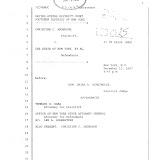
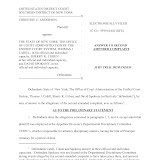
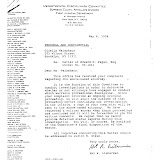
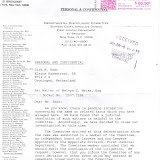
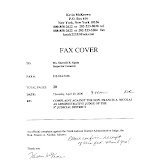
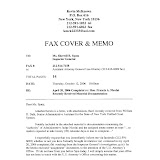
For the first time in Alaska history, there is a recommendation to permanently remove a judge from the bench. The Alaska Commission on Judicial Conduct is recommending the Alaska Supreme Court remove Bethel District Court Judge Dennis Cummings.
The commission could have responded in several ways when considering the latest allegations against Cummings. If he was found guilty, disciplinary actions ranged from a public reprimand to suspension to removal. However, the commission’s hearing, held March 16, brought a unanimous recommendation for the most severe sanction.
The commission found that Cummings told a prosecutor twice off-record to look at an opinion that would help his case. Speaking with one side of a trial off-record is considered ex-parte communications and is against Alaska’s Judicial Code.
It wasn’t the first time Cummings was found guilty of it. In 2009, he was found to have passed notes in court to the prosecution. For that, the Alaska Supreme Court suspended him from the bench for 3 months without pay which had been the commission’s recommendation.
The outcome of the recommendation is still unknown as Cummings is set to retire this month. The recommendation was sent to the Alaska Supreme Court Tuesday (April 3), which has allowed it to become public.
It’s not known how long the court will take to make a final decision, but Greenstein says it shouldn’t be long.
Marla Greenstein, the commission’s Executive Director said, “the court typically considers these types of filings on a fairly expedited basis.”
The timing ultimately will hinder on whether the court wants to re-do the hearing process or go with the information the Commission has gathered, which is the usual case.
Monday, April 23, 2012


Judge Will Not Reinstate Suspended Sheriff
Judge will not reinstate suspended SF sheriff
The Associated Press - April 20, 2012
San Francisco, CA (AP) -- A San Francisco judge will not reinstate suspended Sheriff Ross Mirkarimi or stop the city from pursuing its official misconduct case against him. Judge Harold Kahn on Friday denied Mirkarimi's request to halt the case. Kahn also denied Mirkarimi his pay during the suspension, and said those requests should go before the city's ethics commission and Board of Supervisors. The commission hearing is scheduled to begin Monday. It will ultimately make a recommendation to the supervisors, who will decide whether to remove Mirkarimi. Mirkarimi pleaded guilty last month to one count of misdemeanor false imprisonment in a domestic violence case. He was accused of bruising the arm of his wife, Eliana Lopez, during a New Year's Eve dispute. Mayor Ed Lee suspended Mirkarimi without pay.
RELATED BACKGROUND STORY:
Judge denies suspended SF sheriff’s requests to be reinstated and halt city’s misconduct case
The Associated Press - April 19, 2012
San Francisco, CA (AP) --A San Francisco judge on Thursday indicated that he will not reinstate suspended San Francisco Sheriff Ross Mirkarimi or stop the city from pursuing its official misconduct case against him. Mirkarimi pleaded guilty last month to one count of misdemeanor false imprisonment in a domestic violence case. He was accused of bruising the arm of his wife, Venezuelan actress Eliana Lopez, during a dispute on New Year’s Eve. Mirkarimi had asked to be reinstated as sheriff, arguing that the mayor erred in trying to dismiss him for official misconduct since the incident took place before he was sworn in as sheriff. Judge Harold Kahn said in a tentative ruling that he would not grant Mirkarimi’s requests for dismissal and that he be paid during the suspension. Kahn said Mirkarimi’s contentions should be addressed by the city’s ethics commission and Board of Supervisors. Kahn’s final ruling will be made Friday after both sides have had a chance to argue one last time. Mirkarimi has disputed prosecutors’ version of events that led to the domestic violence charges, saying much of the case was a fabrication and he was the victim of politics. In an interview with the San Francisco Chronicle on Wednesday (http://bit.ly/I4LKy1), he said he inadvertently bruised Lopez’s arm in an effort to shield his son from her and guide her back into the passenger’s seat of their car to calm a dispute. He said the couple was arguing after Lopez said she wanted to take their 2-year-old son to Venezuela for an extended stay. The boy “panicked” when Lopez left the car and tried to get him out of his car seat, Mirkarimi said, explaining he reached over to put his hand underneath her arm to bring her back into the seat. “I thought I was being a father,” he said. “I was trying to remedy the situation.” Mirkarimi said his guilty plea to false imprisonment stemmed from his turning the car around against the wishes of Lopez, but he insisted he never kept her from leaving their home as District Attorney George Gascon contended. Mirkarimi said the dispute was finished by the time the couple got home, and Lopez later went grocery shopping.
A neighbor made a videotape of Lopez describing the alleged New Year’s Eve incident and displaying the bruise. The tape was key evidence in the case against Mirkarimi. The sheriff disputed much of what Lopez said in the video, as described in court documents. He said the couple had never previously had a physical altercation, and that he never told Lopez that he could take the boy away from her because he is a powerful man. Mirkarimi says he actually told Lopez that California has powerful custody laws. Lopez has supported her husband, denying any abuse took place. In a statement, Gascon said the evidence against Mirkarimi was overwhelming. “Ross Mirkarimi physically assaulted his wife and restrained her liberty, leaving a very large bruise on her arm,” Gascon said. “His failure to take responsibility for what really happened is both disturbing and telling.” Mirkarimi had been charged with domestic violence, child endangerment and dissuading a witness before his guilty plea to a lesser charge. Mirkarimi also spoke on Wednesday on KQED’s “Forum” program, where he fought back tears and said politics played a role in the case. “Do I think politics is involved?” he said. “You can’t deny it.” Peter Keane, a law professor at Golden Gate University in San Francisco, said Mirkarimi should have spoken sooner to gain public support and that his 11th-hour media blitz is likely too little, too late. “Now he’s trying to frantically backpedal in an open way with the public at large and the media to undo what he did,” Keane said. “Had he done this three months ago, I think he could’ve had a chance.” Kahn also ruled on Thursday that City Attorney Dennis Herrera can continue representing Lee in the matter. Mirkarimi had argued that Herrera had a conflict of interest because he was advising Lee and two other city entities in the matter.
The Associated Press - April 20, 2012
San Francisco, CA (AP) -- A San Francisco judge will not reinstate suspended Sheriff Ross Mirkarimi or stop the city from pursuing its official misconduct case against him. Judge Harold Kahn on Friday denied Mirkarimi's request to halt the case. Kahn also denied Mirkarimi his pay during the suspension, and said those requests should go before the city's ethics commission and Board of Supervisors. The commission hearing is scheduled to begin Monday. It will ultimately make a recommendation to the supervisors, who will decide whether to remove Mirkarimi. Mirkarimi pleaded guilty last month to one count of misdemeanor false imprisonment in a domestic violence case. He was accused of bruising the arm of his wife, Eliana Lopez, during a New Year's Eve dispute. Mayor Ed Lee suspended Mirkarimi without pay.
RELATED BACKGROUND STORY:
Judge denies suspended SF sheriff’s requests to be reinstated and halt city’s misconduct case
The Associated Press - April 19, 2012
San Francisco, CA (AP) --A San Francisco judge on Thursday indicated that he will not reinstate suspended San Francisco Sheriff Ross Mirkarimi or stop the city from pursuing its official misconduct case against him. Mirkarimi pleaded guilty last month to one count of misdemeanor false imprisonment in a domestic violence case. He was accused of bruising the arm of his wife, Venezuelan actress Eliana Lopez, during a dispute on New Year’s Eve. Mirkarimi had asked to be reinstated as sheriff, arguing that the mayor erred in trying to dismiss him for official misconduct since the incident took place before he was sworn in as sheriff. Judge Harold Kahn said in a tentative ruling that he would not grant Mirkarimi’s requests for dismissal and that he be paid during the suspension. Kahn said Mirkarimi’s contentions should be addressed by the city’s ethics commission and Board of Supervisors. Kahn’s final ruling will be made Friday after both sides have had a chance to argue one last time. Mirkarimi has disputed prosecutors’ version of events that led to the domestic violence charges, saying much of the case was a fabrication and he was the victim of politics. In an interview with the San Francisco Chronicle on Wednesday (http://bit.ly/I4LKy1), he said he inadvertently bruised Lopez’s arm in an effort to shield his son from her and guide her back into the passenger’s seat of their car to calm a dispute. He said the couple was arguing after Lopez said she wanted to take their 2-year-old son to Venezuela for an extended stay. The boy “panicked” when Lopez left the car and tried to get him out of his car seat, Mirkarimi said, explaining he reached over to put his hand underneath her arm to bring her back into the seat. “I thought I was being a father,” he said. “I was trying to remedy the situation.” Mirkarimi said his guilty plea to false imprisonment stemmed from his turning the car around against the wishes of Lopez, but he insisted he never kept her from leaving their home as District Attorney George Gascon contended. Mirkarimi said the dispute was finished by the time the couple got home, and Lopez later went grocery shopping.
A neighbor made a videotape of Lopez describing the alleged New Year’s Eve incident and displaying the bruise. The tape was key evidence in the case against Mirkarimi. The sheriff disputed much of what Lopez said in the video, as described in court documents. He said the couple had never previously had a physical altercation, and that he never told Lopez that he could take the boy away from her because he is a powerful man. Mirkarimi says he actually told Lopez that California has powerful custody laws. Lopez has supported her husband, denying any abuse took place. In a statement, Gascon said the evidence against Mirkarimi was overwhelming. “Ross Mirkarimi physically assaulted his wife and restrained her liberty, leaving a very large bruise on her arm,” Gascon said. “His failure to take responsibility for what really happened is both disturbing and telling.” Mirkarimi had been charged with domestic violence, child endangerment and dissuading a witness before his guilty plea to a lesser charge. Mirkarimi also spoke on Wednesday on KQED’s “Forum” program, where he fought back tears and said politics played a role in the case. “Do I think politics is involved?” he said. “You can’t deny it.” Peter Keane, a law professor at Golden Gate University in San Francisco, said Mirkarimi should have spoken sooner to gain public support and that his 11th-hour media blitz is likely too little, too late. “Now he’s trying to frantically backpedal in an open way with the public at large and the media to undo what he did,” Keane said. “Had he done this three months ago, I think he could’ve had a chance.” Kahn also ruled on Thursday that City Attorney Dennis Herrera can continue representing Lee in the matter. Mirkarimi had argued that Herrera had a conflict of interest because he was advising Lee and two other city entities in the matter.
Big Corp's Issues With Corrupt Judges....Outside U.S.
Judge Who Issued $18.2 Billion Ruling against Chevron Removed from Bench
Reuters - Chevron Press Release - March 8, 2012
Reuters is not responsible for the content in this press release.
Ecuador’s Judicial Council determines Judge Zambrano complicit in drug trafficking scandal
Chevron Corp. (NYSE: CVX) today renewed its request of authorities in Ecuador to investigate the overwhelming evidence of fraud tainting the Lago Agrio lawsuit after the Associated Press and Ecuador’s El Universo newspaper revealed that Nicolás Zambrano, the judge who issued the $18.2 billion judgment against Chevron, has been dismissed from the bench due to his complicity in an emerging story of court corruption and drug trafficking in Ecuador. The media outlets reported that the Judicial Council, the body that governs the Ecuadorian judiciary, has determined that Judge Zambrano, and Judge Leonardo Ordóñez, who previously presided over the Lago Agrio lawsuit, should be dismissed from their positions on the Court of Justice of Sucumbíos in Lago Agrio following an investigation into allegations of lenient treatment of drug dealers in cases before them. The investigation and subsequent dismissals followed a complaint filed by Ecuador’s Organized Crime Prevention Unit. “Chevron has already shown through the plaintiffs’ lawyers’ own documents and film outtakes that Judge Zambrano’s ruling against Chevron was ghostwritten by the plaintiffs’ lawyers. Evidence also shows that the plaintiffs’ representatives paid bribes to at least one court official through a secret bank account. Now it appears the Sucumbíos court was plagued by even broader corruption,” said Hewitt Pate, Chevron vice president and general counsel. “Hopefully now that these judges have been removed from their positions of power, others will come forward with evidence of the wrongdoing that has occurred in the courtrooms.” Through court-ordered discovery, Chevron has obtained evidence that the Lago Agrio plaintiffs’ lawyers and consultants, at a minimum, provided clandestine assistance to the Lago Agrio court in drafting the judgment against Chevron. Much of the judgment tracks the plaintiffs’ lawyers’ own internal, unfiled documents word-for-word, citing figures from the plaintiffs’ lawyers’ internal database that did not form part of the record, as well as copying errors and idiosyncratic reference citations. The ghostwriting of judgments in Ecuador is not unique to the Lago Agrio case. As has been widely reported, the El Universo newspaper suffered similar treatment in an equally-politicized trial featuring evidence that the ultimate judgment was written by lawyers working for the plaintiff, in this instance President Rafael Correa. The handling of the El Universo case was, in the words of the Washington Post, “alas, worthy of a banana republic. After four changes of judge, a ‘temporary’ magistrate took over the case, held one hearing, and—33 hours after his appointment—issued the 156-page ruling. A subsequent independent investigation determined that he did not write it, and that the author was probably Mr. Correa’s attorney.” Other independent organizations have noted the steep decline in the capability of the Ecuadorian judiciary to administer impartial justice. Since Correa’s election, the U.S. State Department has reported on “the susceptibility of the judiciary to bribes for favorable decisions and resolution of legal cases and on judges parceling out cases to outside lawyers, who wrote the judicial sentences and sent them back to the presiding judge for signature.” Other organizations have reached similar conclusions, finding that Ecuador ranks near the bottom of all nations for “rule of law” and similar measures. Chevron is one of the world’s leading integrated energy companies, with subsidiaries that conduct business worldwide. The company is involved in virtually every facet of the energy industry. Chevron explores for, produces and transports crude oil and natural gas; refines, markets and distributes transportation fuels and lubricants; manufactures and sells petrochemical products; generates power and produces geothermal energy; provides energy efficiency solutions; and develops the energy resources of the future, including biofuels. Chevron is based in San Ramon, Calif. More information about Chevron is available at www.chevron.com. Chevron Corporation - Kent Robertson, +1-925-790-3819
Reuters - Chevron Press Release - March 8, 2012
Reuters is not responsible for the content in this press release.
Ecuador’s Judicial Council determines Judge Zambrano complicit in drug trafficking scandal
Chevron Corp. (NYSE: CVX) today renewed its request of authorities in Ecuador to investigate the overwhelming evidence of fraud tainting the Lago Agrio lawsuit after the Associated Press and Ecuador’s El Universo newspaper revealed that Nicolás Zambrano, the judge who issued the $18.2 billion judgment against Chevron, has been dismissed from the bench due to his complicity in an emerging story of court corruption and drug trafficking in Ecuador. The media outlets reported that the Judicial Council, the body that governs the Ecuadorian judiciary, has determined that Judge Zambrano, and Judge Leonardo Ordóñez, who previously presided over the Lago Agrio lawsuit, should be dismissed from their positions on the Court of Justice of Sucumbíos in Lago Agrio following an investigation into allegations of lenient treatment of drug dealers in cases before them. The investigation and subsequent dismissals followed a complaint filed by Ecuador’s Organized Crime Prevention Unit. “Chevron has already shown through the plaintiffs’ lawyers’ own documents and film outtakes that Judge Zambrano’s ruling against Chevron was ghostwritten by the plaintiffs’ lawyers. Evidence also shows that the plaintiffs’ representatives paid bribes to at least one court official through a secret bank account. Now it appears the Sucumbíos court was plagued by even broader corruption,” said Hewitt Pate, Chevron vice president and general counsel. “Hopefully now that these judges have been removed from their positions of power, others will come forward with evidence of the wrongdoing that has occurred in the courtrooms.” Through court-ordered discovery, Chevron has obtained evidence that the Lago Agrio plaintiffs’ lawyers and consultants, at a minimum, provided clandestine assistance to the Lago Agrio court in drafting the judgment against Chevron. Much of the judgment tracks the plaintiffs’ lawyers’ own internal, unfiled documents word-for-word, citing figures from the plaintiffs’ lawyers’ internal database that did not form part of the record, as well as copying errors and idiosyncratic reference citations. The ghostwriting of judgments in Ecuador is not unique to the Lago Agrio case. As has been widely reported, the El Universo newspaper suffered similar treatment in an equally-politicized trial featuring evidence that the ultimate judgment was written by lawyers working for the plaintiff, in this instance President Rafael Correa. The handling of the El Universo case was, in the words of the Washington Post, “alas, worthy of a banana republic. After four changes of judge, a ‘temporary’ magistrate took over the case, held one hearing, and—33 hours after his appointment—issued the 156-page ruling. A subsequent independent investigation determined that he did not write it, and that the author was probably Mr. Correa’s attorney.” Other independent organizations have noted the steep decline in the capability of the Ecuadorian judiciary to administer impartial justice. Since Correa’s election, the U.S. State Department has reported on “the susceptibility of the judiciary to bribes for favorable decisions and resolution of legal cases and on judges parceling out cases to outside lawyers, who wrote the judicial sentences and sent them back to the presiding judge for signature.” Other organizations have reached similar conclusions, finding that Ecuador ranks near the bottom of all nations for “rule of law” and similar measures. Chevron is one of the world’s leading integrated energy companies, with subsidiaries that conduct business worldwide. The company is involved in virtually every facet of the energy industry. Chevron explores for, produces and transports crude oil and natural gas; refines, markets and distributes transportation fuels and lubricants; manufactures and sells petrochemical products; generates power and produces geothermal energy; provides energy efficiency solutions; and develops the energy resources of the future, including biofuels. Chevron is based in San Ramon, Calif. More information about Chevron is available at www.chevron.com. Chevron Corporation - Kent Robertson, +1-925-790-3819
Sunday, April 22, 2012
Corrupt Minority Holds Honorable Legal Ethics Hostage
Wal-Mart Hushed Up a Vast Mexican Bribery Case
The New York Times by David Barstow - April 21, 2012
MEXICO CITY — In September 2005, a senior Wal-Mart lawyer received an alarming e-mail from a former executive at the company’s largest foreign subsidiary, Wal-Mart de Mexico. In the e-mail and follow-up conversations, the former executive described how Wal-Mart de Mexico had orchestrated a campaign of bribery to win market dominance. In its rush to build stores, he said, the company had paid bribes to obtain permits in virtually every corner of the country. The former executive gave names, dates and bribe amounts. He knew so much, he explained, because for years he had been the lawyer in charge of obtaining construction permits for Wal-Mart de Mexico. Wal-Mart dispatched investigators to Mexico City, and within days they unearthed evidence of widespread bribery. They found a paper trail of hundreds of suspect payments totaling more than $24 million. They also found documents showing that Wal-Mart de Mexico’s top executives not only knew about the payments, but had taken steps to conceal them from Wal-Mart’s headquarters in Bentonville, Ark. In a confidential report to his superiors, Wal-Mart’s lead investigator, a former F.B.I. special agent, summed up their initial findings this way: “There is reasonable suspicion to believe that Mexican and USA laws have been violated.” The lead investigator recommended that Wal-Mart expand the investigation.
Instead, an examination by The New York Times found, Wal-Mart’s leaders shut it down. Neither American nor Mexican law enforcement officials were notified. None of Wal-Mart de Mexico’s leaders were disciplined. Indeed, its chief executive, Eduardo Castro-Wright, identified by the former executive as the driving force behind years of bribery, was promoted to vice chairman of Wal-Mart in 2008. Until this article, the allegations and Wal-Mart’s investigation had never been publicly disclosed. But The Times’s examination uncovered a prolonged struggle at the highest levels of Wal-Mart, a struggle that pitted the company’s much publicized commitment to the highest moral and ethical standards against its relentless pursuit of growth. Under fire from labor critics, worried about press leaks and facing a sagging stock price, Wal-Mart’s leaders recognized that the allegations could have devastating consequences, documents and interviews show. Wal-Mart de Mexico was the company’s brightest success story, pitched to investors as a model for future growth. (Today, one in five Wal-Mart stores is in Mexico.) Confronted with evidence of corruption in Mexico, top Wal-Mart executives focused more on damage control than on rooting out wrongdoing. In one meeting where the bribery case was discussed, H. Lee Scott Jr., then Wal-Mart’s chief executive, rebuked internal investigators for being overly aggressive. Days later, records show, Wal-Mart’s top lawyer arranged to ship the internal investigators’ files on the case to Mexico City. Primary responsibility for the investigation was then given to the general counsel of Wal-Mart de Mexico — a remarkable choice since the same general counsel was alleged to have authorized bribes. The general counsel promptly exonerated his fellow Wal-Mart de Mexico executives.
When Wal-Mart’s director of corporate investigations — a former top F.B.I. official — read the general counsel’s report, his appraisal was scathing. “Truly lacking,” he wrote in an e-mail to his boss. The report was nonetheless accepted by Wal-Mart’s leaders as the last word on the matter. In December, after learning of The Times’s reporting in Mexico, Wal-Mart informed the Justice Department that it had begun an internal investigation into possible violations of the Foreign Corrupt Practices Act, a federal law that makes it a crime for American corporations and their subsidiaries to bribe foreign officials. Wal-Mart said the company had learned of possible problems with how it obtained permits, but stressed that the issues were limited to “discrete” cases. “We do not believe that these matters will have a material adverse effect on our business,” the company said in a filing with the Securities and Exchange Commission. But The Times’s examination found credible evidence that bribery played a persistent and significant role in Wal-Mart’s rapid growth in Mexico, where Wal-Mart now employs 209,000 people, making it the country’s largest private employer. A Wal-Mart spokesman confirmed that the company’s Mexico operations — and its handling of the 2005 case — were now a major focus of its inquiry. “If these allegations are true, it is not a reflection of who we are or what we stand for,” the spokesman, David W. Tovar, said. “We are deeply concerned by these allegations and are working aggressively to determine what happened.” In the meantime, Mr. Tovar said, Wal-Mart is taking steps in Mexico to strengthen compliance with the Foreign Corrupt Practices Act. “We do not and will not tolerate noncompliance with F.C.P.A. anywhere or at any level of the company,” he said. The Times laid out this article’s findings to Wal-Mart weeks ago. The company said it shared the findings with many of the executives named here, including Mr. Scott, now on Wal-Mart’s board, and Mr. Castro-Wright, who is retiring in July. Both men declined to comment, Mr. Tovar said.
The Times obtained hundreds of internal company documents tracing the evolution of Wal-Mart’s 2005 Mexico investigation. The documents show Wal-Mart’s leadership immediately recognized the seriousness of the allegations. Working in secrecy, a small group of executives, including several current members of Wal-Mart’s senior management, kept close tabs on the inquiry. Michael T. Duke, Wal-Mart’s current chief executive, was also kept informed. At the time, Mr. Duke had just been put in charge of Wal-Mart International, making him responsible for all foreign subsidiaries. “You’ll want to read this,” a top Wal-Mart lawyer wrote in an Oct. 15, 2005, e-mail to Mr. Duke that gave a detailed description of the former executive’s allegations. The Times examination included more than 15 hours of interviews with the former executive, Sergio Cicero Zapata, who resigned from Wal-Mart de Mexico in 2004 after nearly a decade in the company’s real estate department. In the interviews, Mr. Cicero recounted how he had helped organize years of payoffs. He described personally dispatching two trusted outside lawyers to deliver envelopes of cash to government officials. They targeted mayors and city council members, obscure urban planners, low-level bureaucrats who issued permits — anyone with the power to thwart Wal-Mart’s growth. The bribes, he said, bought zoning approvals, reductions in environmental impact fees and the allegiance of neighborhood leaders. He called it working “the dark side of the moon.” The Times also reviewed thousands of government documents related to permit requests for stores across Mexico. The examination found many instances where permits were given within weeks or even days of Wal-Mart de Mexico’s payments to the two lawyers. Again and again, The Times found, legal and bureaucratic obstacles melted away after payments were made. The Times conducted extensive interviews with participants in Wal-Mart’s investigation. They spoke on the condition that they not be identified discussing matters Wal-Mart has long shielded. These people said the investigation left little doubt Mr. Cicero’s allegations were credible. (“Not even a close call,” one person said.) But, they said, the more investigators corroborated his assertions, the more resistance they encountered inside Wal-Mart. Some of it came from powerful executives implicated in the corruption, records and interviews show. Other top executives voiced concern about the possible legal and reputational harm. In the end, people involved in the investigation said, Wal-Mart’s leaders found a bloodlessly bureaucratic way to bury the matter. But in handing the investigation off to one of its main targets, they disregarded the advice of one of Wal-Mart’s top lawyers, the same lawyer first contacted by Mr. Cicero. “The wisdom of assigning any investigative role to management of the business unit being investigated escapes me,” Maritza I. Munich, then general counsel of Wal-Mart International, wrote in an e-mail to top Wal-Mart executives. The investigation, she urged, should be completed using “professional, independent investigative resources.” The Allegations Emerge On Sept. 21, 2005, Mr. Cicero sent an e-mail to Ms. Munich telling her he had information about “irregularities” authorized “by the highest levels” at Wal-Mart de Mexico. “I hope to meet you soon,” he wrote. Ms. Munich was familiar with the challenges of avoiding corruption in Latin America. Before joining Wal-Mart in 2003, she had spent 12 years in Mexico and elsewhere in Latin America as a lawyer for Procter & Gamble. At Wal-Mart in 2004, she pushed the board to adopt a strict anticorruption policy that prohibited all employees from “offering anything of value to a government official on behalf of Wal-Mart.” It required every employee to report the first sign of corruption, and it bound Wal-Mart’s agents to the same exacting standards. Ms. Munich reacted quickly to Mr. Cicero’s e-mail. Within days, she hired Juan Francisco Torres-Landa, a prominent Harvard-trained lawyer in Mexico City, to debrief Mr. Cicero. The two men met three times in October 2005, with Ms. Munich flying in from Bentonville for the third debriefing. During hours of questioning, Mr. Torres-Landa’s notes show, Mr. Cicero described how Wal-Mart de Mexico had perfected the art of bribery, then hidden it all with fraudulent accounting. Mr. Cicero implicated many of Wal-Mart de Mexico’s leaders, including its board chairman, its general counsel, its chief auditor and its top real estate executive. But the person most responsible, he told Mr. Torres-Landa, was the company’s ambitious chief executive, Eduardo Castro-Wright, a native of Ecuador who was recruited from Honeywell in 2001 to become Wal-Mart’s chief operating officer in Mexico. Mr. Cicero said that while bribes were occasionally paid before Mr. Castro-Wright’s arrival, their use soared after Mr. Castro-Wright ascended to the top job in 2002. Mr. Cicero described how Wal-Mart de Mexico’s leaders had set “very aggressive growth goals,” which required opening new stores “in record times.” Wal-Mart de Mexico executives, he said, were under pressure to do “whatever was necessary” to obtain permits. In an interview with The Times, Mr. Cicero said Mr. Castro-Wright had encouraged the payments for a specific strategic purpose. The idea, he said, was to build hundreds of new stores so fast that competitors would not have time to react. Bribes, he explained, accelerated growth. They got zoning maps changed. They made environmental objections vanish. Permits that typically took months to process magically materialized in days. “What we were buying was time,” he said. Wal-Mart de Mexico’s stunning growth made Mr. Castro-Wright a rising star in Bentonville. In early 2005, when he was promoted to a senior position in the United States, Mr. Duke would cite his “outstanding results” in Mexico. Mr. Cicero’s allegations were all the more startling because he implicated himself. He spent hours explaining to Mr. Torres-Landa the mechanics of how he had helped funnel bribes through trusted fixers, known as “gestores.” Gestores (pronounced hes-TORE-ehs) are a fixture in Mexico’s byzantine bureaucracies, and some are entirely legitimate. Ordinary citizens routinely pay gestores to stand in line for them at the driver’s license office. Companies hire them as quasi-lobbyists to get things done as painlessly as possible. But often gestores play starring roles in Mexico’s endless loop of public corruption scandals. They operate in the shadows, dangling payoffs to officials of every rank. It was this type of gestor that Wal-Mart de Mexico deployed, Mr. Cicero said. Mr. Cicero told Mr. Torres-Landa it was his job to recruit the gestores. He worked closely with them, sharing strategies on whom to bribe. He also approved Wal-Mart de Mexico’s payments to the gestores. Each payment covered the bribe and the gestor’s fee, typically 6 percent of the bribe. It was all carefully monitored through a system of secret codes known only to a handful of Wal-Mart de Mexico executives. The gestores submitted invoices with brief, vaguely worded descriptions of their services. But the real story, Mr. Cicero said, was told in codes written on the invoices. The codes identified the specific “irregular act” performed, Mr. Cicero explained to Mr. Torres-Landa. One code, for example, indicated a bribe to speed up a permit. Others described bribes to obtain confidential information or eliminate fines. Each month, Mr. Castro-Wright and other top Wal-Mart de Mexico executives “received a detailed schedule of all of the payments performed,” he said, according to the lawyer’s notes. Wal-Mart de Mexico then “purified” the bribes in accounting records as simple legal fees. They also took care to keep Bentonville in the dark. “Dirty clothes are washed at home,” Mr. Cicero said. Mr. Torres-Landa explored Mr. Cicero’s motives for coming forward. Mr. Cicero said he resigned in September 2004 because he felt underappreciated. He described the “pressure and stress” of participating in years of corruption, of contending with “greedy” officials who jacked up bribe demands. As he told The Times, “I thought I deserved a medal at least.” The breaking point came in early 2004, when he was passed over for the job of general counsel of Wal-Mart de Mexico. This snub, Mr. Torres-Landa wrote, “generated significant anger with respect to the lack of recognition for his work.” Mr. Cicero said he began to assemble a record of bribes he had helped orchestrate to “protect him in case of any complaint or investigation,” Mr. Torres-Landa wrote. “We did not detect on his part any express statement about wishing to sell the information,” the lawyer added. According to people involved in Wal-Mart’s investigation, Mr. Cicero’s account of criminality at the top of Wal-Mart’s most important foreign subsidiary was impossible to dismiss. He had clearly been in a position to witness the events he described. Nor was this the first indication of corruption at Wal-Mart de Mexico under Mr. Castro-Wright. A confidential investigation, conducted for Wal-Mart in 2003 by Kroll Inc., a leading investigation firm, discovered that Wal-Mart de Mexico had systematically increased its sales by helping favored high-volume customers evade sales taxes. A draft of Kroll’s report, obtained by The Times, concluded that top Wal-Mart de Mexico executives had failed to enforce their own anticorruption policies, ignored internal audits that raised red flags and even disregarded local press accounts asserting that Wal-Mart de Mexico was “carrying out a tax fraud.” (The company ultimately paid $34.3 million in back taxes.) Wal-Mart then asked Kroll to evaluate Wal-Mart de Mexico’s internal audit and antifraud units. Kroll wrote another report that branded the units “ineffective.” Many employees accused of wrongdoing were not even questioned; some “received a promotion shortly after the suspicions of fraudulent activities had surfaced.” None of these findings, though, had slowed Mr. Castro-Wright’s rise. Just days before Mr. Cicero’s first debriefing, Mr. Castro-Wright was promoted again. He was put in charge of all Wal-Mart stores in the United States, one of the most prominent jobs in the company. He also joined Wal-Mart’s executive committee, the company’s inner sanctum of leadership. The Initial Response Ms. Munich sent detailed memos describing Mr. Cicero’s debriefings to Wal-Mart’s senior management. These executives, records show, included Thomas A. Mars, Wal-Mart’s general counsel and a former director of the Arkansas State Police; Thomas D. Hyde, Wal-Mart’s executive vice president and corporate secretary; Michael Fung, Wal-Mart’s top internal auditor; Craig Herkert, the chief executive for Wal-Mart’s operations in Latin America; and Lee Stucky, a confidant of Lee Scott’s and chief administrative officer of Wal-Mart International. Wal-Mart typically hired outside law firms to lead internal investigations into allegations of significant wrongdoing. It did so earlier in 2005, for example, when Thomas M. Coughlin, then vice chairman of Wal-Mart, was accused of padding his expense accounts and misappropriating Wal-Mart gift cards.
At first, Wal-Mart took the same approach with Mr. Cicero’s allegations. It turned to Willkie Farr & Gallagher, a law firm with extensive experience in Foreign Corrupt Practices Act cases. The firm’s “investigation work plan” called for tracing all payments to anyone who had helped Wal-Mart de Mexico obtain permits for the previous five years. The firm said it would scrutinize “any and all payments” to government officials and interview every person who might know about payoffs, including “implicated members” of Wal-Mart de Mexico’s board. In short, Willkie Farr recommended the kind of independent, spare-no-expense investigation major corporations routinely undertake when confronted with allegations of serious wrongdoing by top executives. Wal-Mart’s leaders rejected this approach. Instead, records show, they decided Wal-Mart’s lawyers would supervise a far more limited “preliminary inquiry” by in-house investigators. The inquiry, a confidential memo explained, would take two weeks, not the four months Willkie Farr proposed. Rather than examining years of permits, the team would look at a few specific stores. Interviews would be done “only when absolutely essential to establishing the bona fides” of Mr. Cicero. However, if the inquiry found a “likelihood” that laws had been violated, the company would then consider conducting a “full investigation.” The decision gave Wal-Mart’s senior management direct control over the investigation. It also meant new responsibility for the company’s tiny and troubled Corporate Investigations unit. The unit was ill-equipped to take on a major corruption investigation, let alone one in Mexico. It had fewer than 70 employees, and most were assigned to chasing shoplifting rings and corrupt vendors. Just four people were specifically dedicated to investigating corporate fraud, a number Joseph R. Lewis, Wal-Mart’s director of corporate investigations, described in a confidential memo as “wholly inadequate for an organization the size of Wal-Mart.” But Mr. Lewis and his boss, Kenneth H. Senser, vice president for global security, aviation and travel, were working to strengthen the unit. Months before Mr. Cicero surfaced, they won approval to hire four “special investigators” who, according to their job descriptions, would be assigned the “most significant and complex fraud matters.” Mr. Scott, the chief executive, also agreed that Corporate Investigations would handle all allegations of misconduct by senior executives. And yet in the fall of 2005, as Wal-Mart began to grapple with Mr. Cicero’s allegations, two cases called into question Corporate Investigations’ independence and role. In October, Wal-Mart’s vice chairman, John B. Menzer, intervened in an internal investigation into a senior vice president who reported to him. According to internal records, Mr. Menzer told Mr. Senser he did not want Corporate Investigations to handle the case “due to concerns about the impact such an investigation would have.” One of the senior vice president’s subordinates, he said, “would be better suited to conduct this inquiry.” Soon after, records show, the subordinate cleared his boss. The other case involved the president of Wal-Mart Puerto Rico.
A whistle-blower had accused the president and other executives of mistreating employees. Although Corporate Investigations was supposed to investigate all allegations against senior executives, the president had instead assigned an underling to look into the complaints — but to steer clear of those against him. Ms. Munich objected. In an e-mail to Wal-Mart executives, she complained that the investigation was “at the direction of the same company officer who is the target of several of the allegations.” “We are in need of clear guidelines about how to handle these issues going forward,” she warned. The Inquiry Begins Ronald Halter, one of Wal-Mart’s new “special investigators,” was assigned to lead the preliminary inquiry into Mr. Cicero’s allegations. Mr. Halter had been with Wal-Mart only a few months, but he was a seasoned criminal investigator. He had spent 21 years in the F.B.I., and he spoke Spanish. He also had help. Bob Ainley, a senior auditor, was sent to Mexico along with several Spanish-speaking auditors. On Nov. 12, 2005, Mr. Halter’s team got to work at Wal-Mart de Mexico’s corporate headquarters in Mexico City. The team gained access to a database of Wal-Mart de Mexico payments and began searching the payment description field for the word “gestoria.” By day’s end, they had found 441 gestor payments. Each was a potential bribe, and yet they had searched back only to 2003. Mr. Cicero had said his main gestores were Pablo Alegria Con Alonso and Jose Manuel Aguirre Juarez, obscure Mexico City lawyers with small practices who were friends of his from law school. Sure enough, Mr. Halter’s team found that nearly half the payments were to Mr. Alegria and Mr. Aguirre. These two lawyers alone, records showed, had received $8.5 million in payments. Records showed Wal-Mart de Mexico routinely paid its gestores tens of thousands of dollars per permit. (In interviews, both lawyers declined to discuss the corruption allegations, citing confidentiality agreements with Wal-Mart.) “One very interesting postscript,” Mr. Halter wrote in an e-mail to his boss, Mr. Lewis. “All payments to these individuals and all large sums of $ paid out of this account stopped abruptly in 2005.” Mr. Halter said the “only thing we can find” that changed was that Mr. Castro-Wright left Wal-Mart de Mexico for the United States. Mr. Halter’s team confirmed detail after detail from Mr. Cicero’s debriefings. Mr. Cicero had given specifics — names, dates, bribe amounts — for several new stores. In almost every case, investigators found documents confirming major elements of his account. And just as Mr. Cicero had described, investigators found mysterious codes at the bottom of invoices from the gestores. “The documentation didn’t look anything like what you would find in legitimate billing records from a legitimate law firm,” a person involved in the investigation said in an interview. Mr. Lewis sent a terse progress report to his boss, Mr. Senser: “FYI. It is not looking good.” Hours later, Mr. Halter’s team found clear confirmation that Mr. Castro-Wright and other top executives at Wal-Mart de Mexico were well aware of the gestor payments. In March 2004, the team discovered, the executives had been sent an internal Wal-Mart de Mexico audit that raised red flags about the gestor payments. The audit documented how Wal-Mart de Mexico’s two primary gestores had been paid millions to make “facilitating payments” for new store permits all over Mexico. The audit did not delve into how the money had been used to “facilitate” permits. But it showed the payments rising rapidly, roughly in line with Wal-Mart de Mexico’s accelerating growth. The audit recommended notifying Bentonville of the payments. The recommendation, records showed, was removed by Wal-Mart de Mexico’s chief auditor, whom Mr. Cicero had identified as one of the executives who knew about the bribes. The author of the gestor audit, meanwhile, “was fired not long after the audit was completed,” Mr. Halter wrote. Mr. Ainley arranged to meet the fired auditor at his hotel. The auditor described other examples of Wal-Mart de Mexico’s leaders withholding from Bentonville information about suspect payments to government officials. The auditor singled out José Luis Rodríguezmacedo Rivera, the general counsel of Wal-Mart de Mexico. Mr. Rodríguezmacedo, he said, took “significant information out” of an audit of Wal-Mart de Mexico’s compliance with the Foreign Corrupt Practices Act. The original audit had described how Wal-Mart de Mexico gave gift cards to government officials in towns where it was building stores. “These were only given out until the construction was complete,” Mr. Ainley wrote. “At which time the payments ceased.” These details were scrubbed from the final version sent to Bentonville. Investigators were struck by Mr. Castro-Wright’s response to the gestor audit. It had been shown to him immediately, Wal-Mart de Mexico’s chief auditor had told them. Yet rather than expressing alarm, he had appeared worried about becoming too dependent on too few gestores. In an e-mail, Mr. Rodríguezmacedo told Mr. Cicero to write up a plan to “diversify” the gestores used to “facilitate” permits. “Eduardo Castro wants us to implement this plan as soon as possible,” he wrote. Mr. Cicero did as directed. The plan, which authorized paying gestores up to $280,000 to “facilitate” a single permit, was approved with a minor change. Mr. Rodríguezmacedo did not want the plan to mention “gestores.” He wanted them called “external service providers.” Mr. Halter’s team made one last discovery — a finding that suggested the corruption might be far more extensive than even Mr. Cicero had described. In going through Wal-Mart de Mexico’s database of payments, investigators noticed the company was making hefty “contributions” and “donations” directly to governments all over Mexico — nearly $16 million in all since 2003. “Some of the payments descriptions indicate that the donation is being made for the issuance of a license,” Mr. Ainley wrote in one report back to Bentonville. They also found a document in which a Wal-Mart de Mexico real estate executive had openly acknowledged that “these payments were performed to facilitate obtaining the licenses or permits” for new stores. Sometimes, Mr. Cicero told The Times, donations were used hand-in-hand with gestor payments to get permits. Deflecting Blame When Mr. Halter’s team was ready to interview executives at Wal-Mart de Mexico, the first target was Mr. Rodríguezmacedo. Before joining Wal-Mart de Mexico in January 2004, Mr. Rodríguezmacedo had been a lawyer for Citigroup in Mexico. Urbane and smooth, with impeccable English, he quickly won fans in Bentonville. When Wal-Mart invited executives from its foreign subsidiaries for several days of discussion about the fine points of the Foreign Corrupt Practices Act, Mr. Rodríguezmacedo was asked to lead one of the sessions. It was called “Overcoming Challenges in Government Dealings.” Yet Mr. Cicero had identified him as a participant in the bribery scheme. In his debriefings, Mr. Cicero described how Mr. Rodríguezmacedo had passed along specific payoff instructions from Mr. Castro-Wright. In an interview with The Times, Mr. Cicero said he and Mr. Rodríguezmacedo had discussed the use of gestores shortly after Mr. Rodríguezmacedo was hired. “He said, ‘Don’t worry. Keep it on its way.’ ” Mr. Rodríguezmacedo declined to comment; on Friday Wal-Mart disclosed that he had been reassigned and is no longer Wal-Mart de Mexico’s general counsel. Mr. Halter’s team hoped Mr. Rodríguezmacedo would shed light on how two outside lawyers came to be paid $8.5 million to “facilitate” permits. Mr. Rodríguezmacedo responded with evasive hostility, records and interviews show. When investigators asked him for the gestores’ billing records, he said he did not have time to track them down. They got similar receptions from other executives. Only after investigators complained to higher authorities were the executives more forthcoming. Led by Mr. Rodríguezmacedo, they responded with an attack on Mr. Cicero’s credibility.
The gestor audit, they told investigators, had raised doubts about Mr. Cicero, since he had approved most of the payments. They began to suspect he was somehow benefiting, so they asked Kroll to investigate. It was then, they asserted, that Kroll discovered Mr. Cicero’s wife was a law partner of one of the gestores. Mr. Cicero was fired, they said, because he had failed to disclose that fact. They produced a copy of a “preliminary” report from Kroll and e-mails showing the undisclosed conflict had been reported to Bentonville. Based on this behavior, Mr. Rodríguezmacedo argued, the gestor payments were in all likelihood a “ruse” by Mr. Cicero to defraud Wal-Mart de Mexico. Mr. Cicero and the gestores, he contended, probably kept every last peso of the “facilitating payments.” Simply put, bribes could not have been paid if the money was stolen first. It was an argument that gave Wal-Mart ample justification to end the inquiry. But investigators were skeptical, records and interviews show. Even if Mr. Rodríguezmacedo’s account were true, it did not explain why Wal-Mart de Mexico’s executives had authorized gestor payments in the first place, or why they made “donations” to get permits, or why they rewrote audits to keep Bentonville in the dark.
Investigators also wondered why a trained lawyer who had gotten away with stealing a small fortune from Wal-Mart would now deliberately draw the company’s full attention by implicating himself in a series of fictional bribes. And if Wal-Mart de Mexico’s executives truly believed they had been victimized, why hadn’t they taken legal action against Mr. Cicero, much less reported the “theft” to Bentonville? There was another problem: Documents contradicted most of the executives’ assertions about Mr. Cicero. Records showed Mr. Cicero had not been fired, but had resigned with severance benefits and a $25,000 bonus. In fact, in a 2004 e-mail to Ms. Munich, Mr. Rodríguezmacedo himself described how he had “negotiated” Mr. Cicero’s “departure.” The same e-mail said Mr. Cicero had not even been confronted about the supposed undisclosed conflict involving his wife. (Mr. Cicero flatly denied that his wife had ever worked with either gestor.) The e-mail also assured Ms. Munich there was no hint of financial wrongdoing. “We see it merely as an undisclosed conflict of interest,” Mr. Rodríguezmacedo wrote. There were other discrepancies. Mr. Rodríguezmacedo said the company had stopped using gestores after Mr. Cicero’s departure. Yet even as Mr. Cicero was being debriefed in October 2005, Wal-Mart de Mexico real estate executives made a request to pay a gestor $14,000 to get a construction permit, records showed. The persistent questions and document requests from Mr. Halter’s team provoked a backlash from Wal-Mart de Mexico’s executives. After a week of work, records and interviews show, Mr. Halter and other members of the team were summoned by Eduardo F. Solórzano Morales, then chief executive of Wal-Mart de Mexico. Mr. Solórzano angrily chastised the investigators for being too secretive and accusatory. He took offense that his executives were being told at the start of interviews that they had the right not to answer questions — as if they were being read their rights. “It was like, ‘You shut up. I’m going to talk,’ ” a person said of Mr. Solórzano. “It was, ‘This is my home, my backyard. You are out of here.’ ” Mr. Lewis viewed the complaints as an effort to sidetrack his investigators. “I find this ludicrous and a copout for the larger concerns about what has been going on,” he wrote. Nevertheless, Mr. Herkert, the chief executive for Latin America, was notified about the complaints. Three days later, he and his boss, Mr. Duke, flew to Mexico City. The trip had been long-planned — Mr. Duke toured several stores — but they also reassured Wal-Mart de Mexico’s unhappy executives. They arrived just as the investigators wrapped up their work and left. A Push to Dig Deeper Wal-Mart’s leaders had agreed to consider a full investigation if the preliminary inquiry found Mr. Cicero’s allegations credible. Back in Bentonville, Mr. Halter and Mr. Ainley wrote confidential reports to Wal-Mart’s top executives in December 2005 laying out all the evidence that corroborated Mr. Cicero — the hundreds of gestor payments, the mystery codes, the rewritten audits, the evasive responses from Wal-Mart de Mexico executives, the donations for permits, the evidence gestores were still being used. “There is reasonable suspicion,” Mr. Halter concluded, “to believe that Mexican and USA laws have been violated.” There was simply “no defendable explanation” for the millions of dollars in gestor payments, he wrote. Mr. Halter submitted an “action plan” for a deeper investigation that would plumb the depths of corruption and culpability at Wal-Mart de Mexico. Among other things, he urged “that all efforts be concentrated on the reconstruction of Cicero’s computer history.” Mr. Cicero, meanwhile, was still offering help. In November, when Mr. Halter’s team was in Mexico, Mr. Cicero offered his services as a paid consultant. In December, he wrote to Ms. Munich. He volunteered to share specifics on still more stores, and he promised to show her documents. “I hope you visit again,” he wrote. Mr. Halter proposed a thorough investigation of the two main gestores. He had not tried to interview them in Mexico for fear of his safety. (“I do not want to expose myself on what I consider to be an unrealistic attempt to get Mexican lawyers to admit to criminal activity,” he had explained to his bosses.) Now Mr. Halter wanted Wal-Mart to hire private investigators to interview and monitor both gestores. He also envisioned a round of adversarial interviews with Wal-Mart de Mexico’s senior executives. He and his investigators argued that it was time to take the politically sensitive step of questioning Mr. Castro-Wright about his role in the gestor payments.
By January 2006, the case had reached a critical juncture. Wal-Mart’s leaders were again weighing whether to approve a full investigation that would inevitably focus on a star executive already being publicly discussed as a potential successor to Mr. Scott. Wal-Mart’s ethics policy offered clear direction. “Never cover up or ignore an ethics problem,” the policy states. And some who were involved in the investigation argued that it was time to take a stand against signs of rising corruption in Wal-Mart’s global operations. Each year the company received hundreds of internal reports of bribery and fraud, records showed. In Asia alone, there had been 90 reports of bribery just in the previous 18 months. The situation was bad enough that Wal-Mart’s top procurement executives were summoned to Bentonville that winter for a dressing down. Mr. Menzer, Wal-Mart’s vice chairman, warned them that corruption was creating an unacceptable risk, particularly given the government’s stepped-up enforcement of the Foreign Corrupt Practices Act. “Times have changed,” he said. As if to underscore the problem, Wal-Mart’s leaders were confronted with new corruption allegations at Wal-Mart de Mexico even as they pondered Mr. Halter’s action plan. In January, Mr. Scott, Mr. Duke and Wal-Mart’s chairman, S. Robson Walton, received an anonymous e-mail saying Wal-Mart de Mexico’s top real estate executives were receiving kickbacks from construction companies. “Please you must do something,” the e-mail implored. Yet at the same time, records and interviews show, there were misgivings about the budding reach and power of Corporate Investigations. In less than a year, Mr. Lewis’s beefed-up team had doubled its caseload, to roughly 400 cases a year. Some executives grumbled that Mr. Lewis acted as if he still worked for the F.B.I., where he had once supervised major investigations. They accused him and his investigators of being overbearing, disruptive and naïve about the moral ambiguities of doing business abroad. They argued that Corporate Investigations should focus more on quietly “neutralizing” problems than on turning corrupt employees over to law enforcement. Wal-Mart’s leaders had just witnessed the downside of that approach: in early 2005, the company went to the F.B.I. with evidence that the disgraced former vice chairman, Mr. Coughlin, had embezzled hundreds of thousands of dollars. The decision produced months of embarrassing publicity, especially when Mr. Coughlin claimed he had used the money to pay off union spies for Wal-Mart. Meanwhile, Wal-Mart de Mexico executives were continuing to complain to Bentonville about the investigation. The protests “just never let up,” a person involved in the case said. Another person familiar with the thinking of those overseeing the investigation said Wal-Mart would have reacted “like a chicken on a June bug” had the allegations concerned the United States. But some executives saw Mexico as a country where bribery was embedded in the business culture. It simply did not merit the same response. “It’s a Mexican issue; it’s better to let it be a Mexican response,” the person said, describing the thinking of Wal-Mart executives. In the midst of this debate, Ms. Munich submitted her resignation, effective Feb. 1, 2006. In one of her final acts, she drafted a memo that argued for expanding the Mexico investigation and giving equal respect to Mexican and United States laws. “The bribery of government officials,” she noted dryly, “is a criminal offense in Mexico.” She also warned against allowing implicated executives to interfere with the investigation. Wal-Mart de Mexico’s executives had already tried to insert themselves in the case. Just before Christmas, records show, Mr. Solórzano, the Wal-Mart de Mexico chief executive, held a video conference with Mr. Mars, Mr. Senser and Mr. Stucky to discuss his team’s “hypothesis” that Mr. Cicero had stolen gestor payments. “Given the serious nature of the allegations, and the need to preserve the integrity of the investigation,” Ms. Munich wrote, “it would seem more prudent to develop a follow-up plan of action, independent of Walmex management participation.” The Chief Weighs In Mr. Scott called a meeting for Feb. 3, 2006, to discuss revamping Wal-Mart’s internal investigations and to resolve the question of what to do about Mr. Cicero’s allegations. In the days before the meeting, records show, Mr. Senser ordered his staff to compile data showing the effectiveness of Corporate Investigations. He assembled statistics showing that the unit had referred relatively few cases to law enforcement agencies. He circulated copies of an e-mail in which Mr. Rodríguezmacedo said he had been treated “very respectfully and cordially” by Mr. Senser’s investigators. Along with Mr. Scott, the meeting included Mr. Hyde, Mr. Mars and Mr. Stucky, records show. The meeting brought the grievances against Corporate Investigations into the open. Mr. Senser described the complaints in Mr. Lewis’s performance evaluation, completed shortly after the meeting. Wal-Mart’s leaders viewed Mr. Lewis’s investigators as “overly aggressive,” he wrote. They did not care for Mr. Lewis’s “law enforcement approach,” and the fact that Mr. Scott convened a meeting to express these concerns only underscored “the importance placed on these topics by senior executives.” By meeting’s end, Mr. Senser had been ordered to work with Mr. Mars and others to develop a “modified protocol” for internal investigations. Mr. Scott said he wanted it done fast, and within 24 hours Mr. Senser produced a new protocol, a highly bureaucratic process that gave senior Wal-Mart executives — including executives at the business units being investigated — more control over internal investigations. The policy included multiple “case reviews.” It also required senior executives to conduct a “cost-benefit analysis” before signing off on a full-blown investigation. Under the new protocol, Mr. Lewis and his team would only investigate “significant” allegations, like those involving potential crimes or top executives. Lesser allegations would be left to the affected business unit to investigate. “This captures it, I think,” Mr. Hyde wrote when Mr. Senser sent him the new protocol. Four days after Mr. Scott’s meeting, with the new protocol drafted, Wal-Mart’s leaders began to transfer control of the bribery investigation to one of its earliest targets, Mr. Rodríguezmacedo. Mr. Mars first sent Mr. Halter’s report to Mr. Rodríguezmacedo. Then he arranged to ship Mr. Halter’s investigative files to him as well. In an e-mail, he sought Mr. Senser’s advice on how to send the files in “a secure manner.” Mr. Senser recommended FedEx. “There is very good control on those shipments, and while governments do compromise them if they are looking for something in particular, there is no reason for them to think that this shipment is out of the ordinary,” he wrote. “The key,” he added, “is being careful about how you communicate the details of the shipment to José Luis.” He advised Mr. Mars to use encrypted e-mail. Wal-Mart’s spokesman, Mr. Tovar, said the company could not discuss Mr. Scott’s meeting or the decision to transfer the case to Mr. Rodríguezmacedo. “At this point,” he said, “we don’t have a full explanation of what happened. Unfortunately, we realize that until the investigation is concluded, there will be some unanswered questions.” Wal-Mart’s leaders, however, had clear guidance about the propriety of letting a target of an investigation run it.
On the same day Mr. Senser was putting the finishing touches on the new investigations protocol, Wal-Mart’s ethics office sent him a booklet of “best practices” for internal investigations. It had been put together by lawyers and executives who supervised investigations at Fortune 500 companies “Investigations should be conducted by individuals who do not have any vested interest in the potential outcomes of the investigation,” it said. The transfer appeared to violate even the “modified protocol” for investigations. Under the new protocol, Corporate Investigations was still supposed to handle “significant” allegations — including those involving potential crimes and senior executives. When Mr. Senser asked his deputies to list all investigations that met this threshold, they came up with 31 cases. At the top of the list: Mexico. After the meeting with Mr. Scott, Mr. Senser had told Mr. Lewis in his performance evaluation that his “highest priority” should be to eliminate “the perceptions that investigators are being too aggressive.” He wanted Mr. Lewis to “earn the trust of” his “clients” — Wal-Mart’s leaders. He wanted him to head off “adversarial interactions.” Mr. Senser now applied the same advice to himself. Even as Mr. Halter’s files were being shipped to Mr. Rodríguezmacedo, Mr. Stucky made plans to fly to Mexico with other executives involved in the bribery investigation. The trip, he wrote, was “for the purpose of re-establishing activities related to the certain compliance matters we’ve been discussing.” Mr. Stucky invited Mr. Senser along. “It is better if we do not make this trip to Mexico City,” Mr. Senser replied. His investigators, he wrote, would simply be “a resource” if needed. Ten days after Mr. Stucky flew to Mexico, an article about Wal-Mart appeared in The Times. It focused on “the increasingly important role of one man: Eduardo Castro-Wright.” The article said Mr. Castro-Wright was a “popular figure” inside Wal-Mart because he made Wal-Mart de Mexico one of the company’s “most profitable units.” Wall Street analysts, it said, viewed him as a “very strong candidate” to succeed Mr. Scott. Case Closed For those who had investigated Mr. Cicero’s allegations, the preliminary inquiry had been just that — preliminary. In memos and meetings, they had argued that their findings clearly justified a full-blown investigation. Mr. Castro-Wright’s precise role had yet to be determined. Mr. Halter had never been permitted to question him, nor had Mr. Castro-Wright’s computer files been examined, records and interviews show. At the very least, a complete investigation would take months. Mr. Rodríguezmacedo, the man now in charge, saw it differently. He wrapped up the case in a few weeks, with little additional investigation. “There is no evidence or clear indication,” his report concluded, “of bribes paid to Mexican government authorities with the purpose of wrongfully securing any licenses or permits.” That conclusion, his report explained, was largely based on the denials of his fellow executives. Not one “mentioned having ordered or given bribes to government authorities,” he wrote. His report, six pages long, neglected to note that he had been implicated in the same criminal conduct. That was not the only omission. While his report conceded that Wal-Mart de Mexico executives had authorized years of payments to gestores, it never explained what these executives expected the gestores to do with the millions of dollars they received to “facilitate” permits. He was also silent on the evidence that Wal-Mart de Mexico had doled out donations to get permits. Nor did he address evidence that he and other executives had suppressed or rewritten audits that would have alerted Bentonville to improper payments. Instead, the bulk of Mr. Rodríguezmacedo’s report attacked the integrity of his accuser. Mr. Cicero, he wrote, made Wal-Mart de Mexico’s executives think they would “run the risk of having permits denied if the gestores were not used.” But this was merely a ruse: In all likelihood, he argued, Wal-Mart de Mexico paid millions for “services never rendered.” The gestores simply pocketed the money, he suggested, and Mr. Cicero “may have benefited,” too. But he offered no direct proof. Indeed, as his report made clear, it was less an allegation than a hypothesis built on two highly circumstantial pillars. First, he said he had consulted with Jesús Zamora-Pierce, a “prestigious independent counsel” who had written books on fraud. Mr. Zamora, he wrote, “feels the conduct displayed by Sergio Cicero is typical of someone engaging in fraud. It is not uncommon in Mexico for lawyers to recommend the use of gestores to facilitate permit obtainment, when in reality it is nothing more than a means of engaging in fraud.” Second, he said he had done a statistical analysis that found Wal-Mart de Mexico won permits even faster after Mr. Cicero left. The validity of his analysis was impossible to assess; he did not include his statistics in the report. In building a case against Mr. Cicero, Mr. Rodríguezmacedo’s report included several false statements. He described Mr. Cicero’s “dismissal” when records showed he had resigned. He also wrote that Kroll’s investigation of Mr. Cicero concluded that he “had a considerable increase in his standard of living during the time in which payments were made to the gestores.”
Kroll’s report made no such assertion, people involved in the investigation said. His report promised a series of corrective steps aimed at putting the entire matter to rest. Wal-Mart de Mexico would no longer use gestores. There would be a renewed commitment to Wal-Mart’s anticorruption policy. He did not recommend any disciplinary action against his colleagues. There was, however, one person he hoped to punish. Wal-Mart de Mexico, he wrote, would scour Mr. Cicero’s records and determine “if any legal action may be taken against him.” Mr. Rodríguezmacedo submitted a draft of his report to Bentonville. In an e-mail, Mr. Lewis told his superiors that he found the report “lacking.” It was not clear what evidence supported the report’s conclusions, he wrote. “More importantly,” he wrote, “if one agrees that Sergio defrauded the company and I am one of them, the question becomes, how was he able to get away with almost $10 million and why was nothing done after it was discovered?” Mr. Rodríguezmacedo responded by adding a paragraph to the end of his report: They had decided not to pursue “criminal actions” against Mr. Cicero because “we did not have strong case.” “At the risk of being cynical,” Mr. Lewis wrote in response, “that report is exactly the same as the previous which I indicated was truly lacking.” But it was enough for Wal-Mart. Mr. Rodríguezmacedo was told by executives in Bentonville on May 10, 2006, to put his report “into final form, thus concluding this investigation.” No one told Mr. Cicero. All he knew was that after months of e-mails, phone calls and meetings, Wal-Mart’s interest seemed to suddenly fade. His phone calls and e-mails went unanswered. “I thought nobody cares about this,” he said. “So I left it behind.” Alejandra Xanic von Bertrab and James C. McKinley Jr. contributed reporting from Mexico City.
The New York Times by David Barstow - April 21, 2012
MEXICO CITY — In September 2005, a senior Wal-Mart lawyer received an alarming e-mail from a former executive at the company’s largest foreign subsidiary, Wal-Mart de Mexico. In the e-mail and follow-up conversations, the former executive described how Wal-Mart de Mexico had orchestrated a campaign of bribery to win market dominance. In its rush to build stores, he said, the company had paid bribes to obtain permits in virtually every corner of the country. The former executive gave names, dates and bribe amounts. He knew so much, he explained, because for years he had been the lawyer in charge of obtaining construction permits for Wal-Mart de Mexico. Wal-Mart dispatched investigators to Mexico City, and within days they unearthed evidence of widespread bribery. They found a paper trail of hundreds of suspect payments totaling more than $24 million. They also found documents showing that Wal-Mart de Mexico’s top executives not only knew about the payments, but had taken steps to conceal them from Wal-Mart’s headquarters in Bentonville, Ark. In a confidential report to his superiors, Wal-Mart’s lead investigator, a former F.B.I. special agent, summed up their initial findings this way: “There is reasonable suspicion to believe that Mexican and USA laws have been violated.” The lead investigator recommended that Wal-Mart expand the investigation.
Instead, an examination by The New York Times found, Wal-Mart’s leaders shut it down. Neither American nor Mexican law enforcement officials were notified. None of Wal-Mart de Mexico’s leaders were disciplined. Indeed, its chief executive, Eduardo Castro-Wright, identified by the former executive as the driving force behind years of bribery, was promoted to vice chairman of Wal-Mart in 2008. Until this article, the allegations and Wal-Mart’s investigation had never been publicly disclosed. But The Times’s examination uncovered a prolonged struggle at the highest levels of Wal-Mart, a struggle that pitted the company’s much publicized commitment to the highest moral and ethical standards against its relentless pursuit of growth. Under fire from labor critics, worried about press leaks and facing a sagging stock price, Wal-Mart’s leaders recognized that the allegations could have devastating consequences, documents and interviews show. Wal-Mart de Mexico was the company’s brightest success story, pitched to investors as a model for future growth. (Today, one in five Wal-Mart stores is in Mexico.) Confronted with evidence of corruption in Mexico, top Wal-Mart executives focused more on damage control than on rooting out wrongdoing. In one meeting where the bribery case was discussed, H. Lee Scott Jr., then Wal-Mart’s chief executive, rebuked internal investigators for being overly aggressive. Days later, records show, Wal-Mart’s top lawyer arranged to ship the internal investigators’ files on the case to Mexico City. Primary responsibility for the investigation was then given to the general counsel of Wal-Mart de Mexico — a remarkable choice since the same general counsel was alleged to have authorized bribes. The general counsel promptly exonerated his fellow Wal-Mart de Mexico executives.
When Wal-Mart’s director of corporate investigations — a former top F.B.I. official — read the general counsel’s report, his appraisal was scathing. “Truly lacking,” he wrote in an e-mail to his boss. The report was nonetheless accepted by Wal-Mart’s leaders as the last word on the matter. In December, after learning of The Times’s reporting in Mexico, Wal-Mart informed the Justice Department that it had begun an internal investigation into possible violations of the Foreign Corrupt Practices Act, a federal law that makes it a crime for American corporations and their subsidiaries to bribe foreign officials. Wal-Mart said the company had learned of possible problems with how it obtained permits, but stressed that the issues were limited to “discrete” cases. “We do not believe that these matters will have a material adverse effect on our business,” the company said in a filing with the Securities and Exchange Commission. But The Times’s examination found credible evidence that bribery played a persistent and significant role in Wal-Mart’s rapid growth in Mexico, where Wal-Mart now employs 209,000 people, making it the country’s largest private employer. A Wal-Mart spokesman confirmed that the company’s Mexico operations — and its handling of the 2005 case — were now a major focus of its inquiry. “If these allegations are true, it is not a reflection of who we are or what we stand for,” the spokesman, David W. Tovar, said. “We are deeply concerned by these allegations and are working aggressively to determine what happened.” In the meantime, Mr. Tovar said, Wal-Mart is taking steps in Mexico to strengthen compliance with the Foreign Corrupt Practices Act. “We do not and will not tolerate noncompliance with F.C.P.A. anywhere or at any level of the company,” he said. The Times laid out this article’s findings to Wal-Mart weeks ago. The company said it shared the findings with many of the executives named here, including Mr. Scott, now on Wal-Mart’s board, and Mr. Castro-Wright, who is retiring in July. Both men declined to comment, Mr. Tovar said.
The Times obtained hundreds of internal company documents tracing the evolution of Wal-Mart’s 2005 Mexico investigation. The documents show Wal-Mart’s leadership immediately recognized the seriousness of the allegations. Working in secrecy, a small group of executives, including several current members of Wal-Mart’s senior management, kept close tabs on the inquiry. Michael T. Duke, Wal-Mart’s current chief executive, was also kept informed. At the time, Mr. Duke had just been put in charge of Wal-Mart International, making him responsible for all foreign subsidiaries. “You’ll want to read this,” a top Wal-Mart lawyer wrote in an Oct. 15, 2005, e-mail to Mr. Duke that gave a detailed description of the former executive’s allegations. The Times examination included more than 15 hours of interviews with the former executive, Sergio Cicero Zapata, who resigned from Wal-Mart de Mexico in 2004 after nearly a decade in the company’s real estate department. In the interviews, Mr. Cicero recounted how he had helped organize years of payoffs. He described personally dispatching two trusted outside lawyers to deliver envelopes of cash to government officials. They targeted mayors and city council members, obscure urban planners, low-level bureaucrats who issued permits — anyone with the power to thwart Wal-Mart’s growth. The bribes, he said, bought zoning approvals, reductions in environmental impact fees and the allegiance of neighborhood leaders. He called it working “the dark side of the moon.” The Times also reviewed thousands of government documents related to permit requests for stores across Mexico. The examination found many instances where permits were given within weeks or even days of Wal-Mart de Mexico’s payments to the two lawyers. Again and again, The Times found, legal and bureaucratic obstacles melted away after payments were made. The Times conducted extensive interviews with participants in Wal-Mart’s investigation. They spoke on the condition that they not be identified discussing matters Wal-Mart has long shielded. These people said the investigation left little doubt Mr. Cicero’s allegations were credible. (“Not even a close call,” one person said.) But, they said, the more investigators corroborated his assertions, the more resistance they encountered inside Wal-Mart. Some of it came from powerful executives implicated in the corruption, records and interviews show. Other top executives voiced concern about the possible legal and reputational harm. In the end, people involved in the investigation said, Wal-Mart’s leaders found a bloodlessly bureaucratic way to bury the matter. But in handing the investigation off to one of its main targets, they disregarded the advice of one of Wal-Mart’s top lawyers, the same lawyer first contacted by Mr. Cicero. “The wisdom of assigning any investigative role to management of the business unit being investigated escapes me,” Maritza I. Munich, then general counsel of Wal-Mart International, wrote in an e-mail to top Wal-Mart executives. The investigation, she urged, should be completed using “professional, independent investigative resources.” The Allegations Emerge On Sept. 21, 2005, Mr. Cicero sent an e-mail to Ms. Munich telling her he had information about “irregularities” authorized “by the highest levels” at Wal-Mart de Mexico. “I hope to meet you soon,” he wrote. Ms. Munich was familiar with the challenges of avoiding corruption in Latin America. Before joining Wal-Mart in 2003, she had spent 12 years in Mexico and elsewhere in Latin America as a lawyer for Procter & Gamble. At Wal-Mart in 2004, she pushed the board to adopt a strict anticorruption policy that prohibited all employees from “offering anything of value to a government official on behalf of Wal-Mart.” It required every employee to report the first sign of corruption, and it bound Wal-Mart’s agents to the same exacting standards. Ms. Munich reacted quickly to Mr. Cicero’s e-mail. Within days, she hired Juan Francisco Torres-Landa, a prominent Harvard-trained lawyer in Mexico City, to debrief Mr. Cicero. The two men met three times in October 2005, with Ms. Munich flying in from Bentonville for the third debriefing. During hours of questioning, Mr. Torres-Landa’s notes show, Mr. Cicero described how Wal-Mart de Mexico had perfected the art of bribery, then hidden it all with fraudulent accounting. Mr. Cicero implicated many of Wal-Mart de Mexico’s leaders, including its board chairman, its general counsel, its chief auditor and its top real estate executive. But the person most responsible, he told Mr. Torres-Landa, was the company’s ambitious chief executive, Eduardo Castro-Wright, a native of Ecuador who was recruited from Honeywell in 2001 to become Wal-Mart’s chief operating officer in Mexico. Mr. Cicero said that while bribes were occasionally paid before Mr. Castro-Wright’s arrival, their use soared after Mr. Castro-Wright ascended to the top job in 2002. Mr. Cicero described how Wal-Mart de Mexico’s leaders had set “very aggressive growth goals,” which required opening new stores “in record times.” Wal-Mart de Mexico executives, he said, were under pressure to do “whatever was necessary” to obtain permits. In an interview with The Times, Mr. Cicero said Mr. Castro-Wright had encouraged the payments for a specific strategic purpose. The idea, he said, was to build hundreds of new stores so fast that competitors would not have time to react. Bribes, he explained, accelerated growth. They got zoning maps changed. They made environmental objections vanish. Permits that typically took months to process magically materialized in days. “What we were buying was time,” he said. Wal-Mart de Mexico’s stunning growth made Mr. Castro-Wright a rising star in Bentonville. In early 2005, when he was promoted to a senior position in the United States, Mr. Duke would cite his “outstanding results” in Mexico. Mr. Cicero’s allegations were all the more startling because he implicated himself. He spent hours explaining to Mr. Torres-Landa the mechanics of how he had helped funnel bribes through trusted fixers, known as “gestores.” Gestores (pronounced hes-TORE-ehs) are a fixture in Mexico’s byzantine bureaucracies, and some are entirely legitimate. Ordinary citizens routinely pay gestores to stand in line for them at the driver’s license office. Companies hire them as quasi-lobbyists to get things done as painlessly as possible. But often gestores play starring roles in Mexico’s endless loop of public corruption scandals. They operate in the shadows, dangling payoffs to officials of every rank. It was this type of gestor that Wal-Mart de Mexico deployed, Mr. Cicero said. Mr. Cicero told Mr. Torres-Landa it was his job to recruit the gestores. He worked closely with them, sharing strategies on whom to bribe. He also approved Wal-Mart de Mexico’s payments to the gestores. Each payment covered the bribe and the gestor’s fee, typically 6 percent of the bribe. It was all carefully monitored through a system of secret codes known only to a handful of Wal-Mart de Mexico executives. The gestores submitted invoices with brief, vaguely worded descriptions of their services. But the real story, Mr. Cicero said, was told in codes written on the invoices. The codes identified the specific “irregular act” performed, Mr. Cicero explained to Mr. Torres-Landa. One code, for example, indicated a bribe to speed up a permit. Others described bribes to obtain confidential information or eliminate fines. Each month, Mr. Castro-Wright and other top Wal-Mart de Mexico executives “received a detailed schedule of all of the payments performed,” he said, according to the lawyer’s notes. Wal-Mart de Mexico then “purified” the bribes in accounting records as simple legal fees. They also took care to keep Bentonville in the dark. “Dirty clothes are washed at home,” Mr. Cicero said. Mr. Torres-Landa explored Mr. Cicero’s motives for coming forward. Mr. Cicero said he resigned in September 2004 because he felt underappreciated. He described the “pressure and stress” of participating in years of corruption, of contending with “greedy” officials who jacked up bribe demands. As he told The Times, “I thought I deserved a medal at least.” The breaking point came in early 2004, when he was passed over for the job of general counsel of Wal-Mart de Mexico. This snub, Mr. Torres-Landa wrote, “generated significant anger with respect to the lack of recognition for his work.” Mr. Cicero said he began to assemble a record of bribes he had helped orchestrate to “protect him in case of any complaint or investigation,” Mr. Torres-Landa wrote. “We did not detect on his part any express statement about wishing to sell the information,” the lawyer added. According to people involved in Wal-Mart’s investigation, Mr. Cicero’s account of criminality at the top of Wal-Mart’s most important foreign subsidiary was impossible to dismiss. He had clearly been in a position to witness the events he described. Nor was this the first indication of corruption at Wal-Mart de Mexico under Mr. Castro-Wright. A confidential investigation, conducted for Wal-Mart in 2003 by Kroll Inc., a leading investigation firm, discovered that Wal-Mart de Mexico had systematically increased its sales by helping favored high-volume customers evade sales taxes. A draft of Kroll’s report, obtained by The Times, concluded that top Wal-Mart de Mexico executives had failed to enforce their own anticorruption policies, ignored internal audits that raised red flags and even disregarded local press accounts asserting that Wal-Mart de Mexico was “carrying out a tax fraud.” (The company ultimately paid $34.3 million in back taxes.) Wal-Mart then asked Kroll to evaluate Wal-Mart de Mexico’s internal audit and antifraud units. Kroll wrote another report that branded the units “ineffective.” Many employees accused of wrongdoing were not even questioned; some “received a promotion shortly after the suspicions of fraudulent activities had surfaced.” None of these findings, though, had slowed Mr. Castro-Wright’s rise. Just days before Mr. Cicero’s first debriefing, Mr. Castro-Wright was promoted again. He was put in charge of all Wal-Mart stores in the United States, one of the most prominent jobs in the company. He also joined Wal-Mart’s executive committee, the company’s inner sanctum of leadership. The Initial Response Ms. Munich sent detailed memos describing Mr. Cicero’s debriefings to Wal-Mart’s senior management. These executives, records show, included Thomas A. Mars, Wal-Mart’s general counsel and a former director of the Arkansas State Police; Thomas D. Hyde, Wal-Mart’s executive vice president and corporate secretary; Michael Fung, Wal-Mart’s top internal auditor; Craig Herkert, the chief executive for Wal-Mart’s operations in Latin America; and Lee Stucky, a confidant of Lee Scott’s and chief administrative officer of Wal-Mart International. Wal-Mart typically hired outside law firms to lead internal investigations into allegations of significant wrongdoing. It did so earlier in 2005, for example, when Thomas M. Coughlin, then vice chairman of Wal-Mart, was accused of padding his expense accounts and misappropriating Wal-Mart gift cards.
At first, Wal-Mart took the same approach with Mr. Cicero’s allegations. It turned to Willkie Farr & Gallagher, a law firm with extensive experience in Foreign Corrupt Practices Act cases. The firm’s “investigation work plan” called for tracing all payments to anyone who had helped Wal-Mart de Mexico obtain permits for the previous five years. The firm said it would scrutinize “any and all payments” to government officials and interview every person who might know about payoffs, including “implicated members” of Wal-Mart de Mexico’s board. In short, Willkie Farr recommended the kind of independent, spare-no-expense investigation major corporations routinely undertake when confronted with allegations of serious wrongdoing by top executives. Wal-Mart’s leaders rejected this approach. Instead, records show, they decided Wal-Mart’s lawyers would supervise a far more limited “preliminary inquiry” by in-house investigators. The inquiry, a confidential memo explained, would take two weeks, not the four months Willkie Farr proposed. Rather than examining years of permits, the team would look at a few specific stores. Interviews would be done “only when absolutely essential to establishing the bona fides” of Mr. Cicero. However, if the inquiry found a “likelihood” that laws had been violated, the company would then consider conducting a “full investigation.” The decision gave Wal-Mart’s senior management direct control over the investigation. It also meant new responsibility for the company’s tiny and troubled Corporate Investigations unit. The unit was ill-equipped to take on a major corruption investigation, let alone one in Mexico. It had fewer than 70 employees, and most were assigned to chasing shoplifting rings and corrupt vendors. Just four people were specifically dedicated to investigating corporate fraud, a number Joseph R. Lewis, Wal-Mart’s director of corporate investigations, described in a confidential memo as “wholly inadequate for an organization the size of Wal-Mart.” But Mr. Lewis and his boss, Kenneth H. Senser, vice president for global security, aviation and travel, were working to strengthen the unit. Months before Mr. Cicero surfaced, they won approval to hire four “special investigators” who, according to their job descriptions, would be assigned the “most significant and complex fraud matters.” Mr. Scott, the chief executive, also agreed that Corporate Investigations would handle all allegations of misconduct by senior executives. And yet in the fall of 2005, as Wal-Mart began to grapple with Mr. Cicero’s allegations, two cases called into question Corporate Investigations’ independence and role. In October, Wal-Mart’s vice chairman, John B. Menzer, intervened in an internal investigation into a senior vice president who reported to him. According to internal records, Mr. Menzer told Mr. Senser he did not want Corporate Investigations to handle the case “due to concerns about the impact such an investigation would have.” One of the senior vice president’s subordinates, he said, “would be better suited to conduct this inquiry.” Soon after, records show, the subordinate cleared his boss. The other case involved the president of Wal-Mart Puerto Rico.
A whistle-blower had accused the president and other executives of mistreating employees. Although Corporate Investigations was supposed to investigate all allegations against senior executives, the president had instead assigned an underling to look into the complaints — but to steer clear of those against him. Ms. Munich objected. In an e-mail to Wal-Mart executives, she complained that the investigation was “at the direction of the same company officer who is the target of several of the allegations.” “We are in need of clear guidelines about how to handle these issues going forward,” she warned. The Inquiry Begins Ronald Halter, one of Wal-Mart’s new “special investigators,” was assigned to lead the preliminary inquiry into Mr. Cicero’s allegations. Mr. Halter had been with Wal-Mart only a few months, but he was a seasoned criminal investigator. He had spent 21 years in the F.B.I., and he spoke Spanish. He also had help. Bob Ainley, a senior auditor, was sent to Mexico along with several Spanish-speaking auditors. On Nov. 12, 2005, Mr. Halter’s team got to work at Wal-Mart de Mexico’s corporate headquarters in Mexico City. The team gained access to a database of Wal-Mart de Mexico payments and began searching the payment description field for the word “gestoria.” By day’s end, they had found 441 gestor payments. Each was a potential bribe, and yet they had searched back only to 2003. Mr. Cicero had said his main gestores were Pablo Alegria Con Alonso and Jose Manuel Aguirre Juarez, obscure Mexico City lawyers with small practices who were friends of his from law school. Sure enough, Mr. Halter’s team found that nearly half the payments were to Mr. Alegria and Mr. Aguirre. These two lawyers alone, records showed, had received $8.5 million in payments. Records showed Wal-Mart de Mexico routinely paid its gestores tens of thousands of dollars per permit. (In interviews, both lawyers declined to discuss the corruption allegations, citing confidentiality agreements with Wal-Mart.) “One very interesting postscript,” Mr. Halter wrote in an e-mail to his boss, Mr. Lewis. “All payments to these individuals and all large sums of $ paid out of this account stopped abruptly in 2005.” Mr. Halter said the “only thing we can find” that changed was that Mr. Castro-Wright left Wal-Mart de Mexico for the United States. Mr. Halter’s team confirmed detail after detail from Mr. Cicero’s debriefings. Mr. Cicero had given specifics — names, dates, bribe amounts — for several new stores. In almost every case, investigators found documents confirming major elements of his account. And just as Mr. Cicero had described, investigators found mysterious codes at the bottom of invoices from the gestores. “The documentation didn’t look anything like what you would find in legitimate billing records from a legitimate law firm,” a person involved in the investigation said in an interview. Mr. Lewis sent a terse progress report to his boss, Mr. Senser: “FYI. It is not looking good.” Hours later, Mr. Halter’s team found clear confirmation that Mr. Castro-Wright and other top executives at Wal-Mart de Mexico were well aware of the gestor payments. In March 2004, the team discovered, the executives had been sent an internal Wal-Mart de Mexico audit that raised red flags about the gestor payments. The audit documented how Wal-Mart de Mexico’s two primary gestores had been paid millions to make “facilitating payments” for new store permits all over Mexico. The audit did not delve into how the money had been used to “facilitate” permits. But it showed the payments rising rapidly, roughly in line with Wal-Mart de Mexico’s accelerating growth. The audit recommended notifying Bentonville of the payments. The recommendation, records showed, was removed by Wal-Mart de Mexico’s chief auditor, whom Mr. Cicero had identified as one of the executives who knew about the bribes. The author of the gestor audit, meanwhile, “was fired not long after the audit was completed,” Mr. Halter wrote. Mr. Ainley arranged to meet the fired auditor at his hotel. The auditor described other examples of Wal-Mart de Mexico’s leaders withholding from Bentonville information about suspect payments to government officials. The auditor singled out José Luis Rodríguezmacedo Rivera, the general counsel of Wal-Mart de Mexico. Mr. Rodríguezmacedo, he said, took “significant information out” of an audit of Wal-Mart de Mexico’s compliance with the Foreign Corrupt Practices Act. The original audit had described how Wal-Mart de Mexico gave gift cards to government officials in towns where it was building stores. “These were only given out until the construction was complete,” Mr. Ainley wrote. “At which time the payments ceased.” These details were scrubbed from the final version sent to Bentonville. Investigators were struck by Mr. Castro-Wright’s response to the gestor audit. It had been shown to him immediately, Wal-Mart de Mexico’s chief auditor had told them. Yet rather than expressing alarm, he had appeared worried about becoming too dependent on too few gestores. In an e-mail, Mr. Rodríguezmacedo told Mr. Cicero to write up a plan to “diversify” the gestores used to “facilitate” permits. “Eduardo Castro wants us to implement this plan as soon as possible,” he wrote. Mr. Cicero did as directed. The plan, which authorized paying gestores up to $280,000 to “facilitate” a single permit, was approved with a minor change. Mr. Rodríguezmacedo did not want the plan to mention “gestores.” He wanted them called “external service providers.” Mr. Halter’s team made one last discovery — a finding that suggested the corruption might be far more extensive than even Mr. Cicero had described. In going through Wal-Mart de Mexico’s database of payments, investigators noticed the company was making hefty “contributions” and “donations” directly to governments all over Mexico — nearly $16 million in all since 2003. “Some of the payments descriptions indicate that the donation is being made for the issuance of a license,” Mr. Ainley wrote in one report back to Bentonville. They also found a document in which a Wal-Mart de Mexico real estate executive had openly acknowledged that “these payments were performed to facilitate obtaining the licenses or permits” for new stores. Sometimes, Mr. Cicero told The Times, donations were used hand-in-hand with gestor payments to get permits. Deflecting Blame When Mr. Halter’s team was ready to interview executives at Wal-Mart de Mexico, the first target was Mr. Rodríguezmacedo. Before joining Wal-Mart de Mexico in January 2004, Mr. Rodríguezmacedo had been a lawyer for Citigroup in Mexico. Urbane and smooth, with impeccable English, he quickly won fans in Bentonville. When Wal-Mart invited executives from its foreign subsidiaries for several days of discussion about the fine points of the Foreign Corrupt Practices Act, Mr. Rodríguezmacedo was asked to lead one of the sessions. It was called “Overcoming Challenges in Government Dealings.” Yet Mr. Cicero had identified him as a participant in the bribery scheme. In his debriefings, Mr. Cicero described how Mr. Rodríguezmacedo had passed along specific payoff instructions from Mr. Castro-Wright. In an interview with The Times, Mr. Cicero said he and Mr. Rodríguezmacedo had discussed the use of gestores shortly after Mr. Rodríguezmacedo was hired. “He said, ‘Don’t worry. Keep it on its way.’ ” Mr. Rodríguezmacedo declined to comment; on Friday Wal-Mart disclosed that he had been reassigned and is no longer Wal-Mart de Mexico’s general counsel. Mr. Halter’s team hoped Mr. Rodríguezmacedo would shed light on how two outside lawyers came to be paid $8.5 million to “facilitate” permits. Mr. Rodríguezmacedo responded with evasive hostility, records and interviews show. When investigators asked him for the gestores’ billing records, he said he did not have time to track them down. They got similar receptions from other executives. Only after investigators complained to higher authorities were the executives more forthcoming. Led by Mr. Rodríguezmacedo, they responded with an attack on Mr. Cicero’s credibility.
The gestor audit, they told investigators, had raised doubts about Mr. Cicero, since he had approved most of the payments. They began to suspect he was somehow benefiting, so they asked Kroll to investigate. It was then, they asserted, that Kroll discovered Mr. Cicero’s wife was a law partner of one of the gestores. Mr. Cicero was fired, they said, because he had failed to disclose that fact. They produced a copy of a “preliminary” report from Kroll and e-mails showing the undisclosed conflict had been reported to Bentonville. Based on this behavior, Mr. Rodríguezmacedo argued, the gestor payments were in all likelihood a “ruse” by Mr. Cicero to defraud Wal-Mart de Mexico. Mr. Cicero and the gestores, he contended, probably kept every last peso of the “facilitating payments.” Simply put, bribes could not have been paid if the money was stolen first. It was an argument that gave Wal-Mart ample justification to end the inquiry. But investigators were skeptical, records and interviews show. Even if Mr. Rodríguezmacedo’s account were true, it did not explain why Wal-Mart de Mexico’s executives had authorized gestor payments in the first place, or why they made “donations” to get permits, or why they rewrote audits to keep Bentonville in the dark.
Investigators also wondered why a trained lawyer who had gotten away with stealing a small fortune from Wal-Mart would now deliberately draw the company’s full attention by implicating himself in a series of fictional bribes. And if Wal-Mart de Mexico’s executives truly believed they had been victimized, why hadn’t they taken legal action against Mr. Cicero, much less reported the “theft” to Bentonville? There was another problem: Documents contradicted most of the executives’ assertions about Mr. Cicero. Records showed Mr. Cicero had not been fired, but had resigned with severance benefits and a $25,000 bonus. In fact, in a 2004 e-mail to Ms. Munich, Mr. Rodríguezmacedo himself described how he had “negotiated” Mr. Cicero’s “departure.” The same e-mail said Mr. Cicero had not even been confronted about the supposed undisclosed conflict involving his wife. (Mr. Cicero flatly denied that his wife had ever worked with either gestor.) The e-mail also assured Ms. Munich there was no hint of financial wrongdoing. “We see it merely as an undisclosed conflict of interest,” Mr. Rodríguezmacedo wrote. There were other discrepancies. Mr. Rodríguezmacedo said the company had stopped using gestores after Mr. Cicero’s departure. Yet even as Mr. Cicero was being debriefed in October 2005, Wal-Mart de Mexico real estate executives made a request to pay a gestor $14,000 to get a construction permit, records showed. The persistent questions and document requests from Mr. Halter’s team provoked a backlash from Wal-Mart de Mexico’s executives. After a week of work, records and interviews show, Mr. Halter and other members of the team were summoned by Eduardo F. Solórzano Morales, then chief executive of Wal-Mart de Mexico. Mr. Solórzano angrily chastised the investigators for being too secretive and accusatory. He took offense that his executives were being told at the start of interviews that they had the right not to answer questions — as if they were being read their rights. “It was like, ‘You shut up. I’m going to talk,’ ” a person said of Mr. Solórzano. “It was, ‘This is my home, my backyard. You are out of here.’ ” Mr. Lewis viewed the complaints as an effort to sidetrack his investigators. “I find this ludicrous and a copout for the larger concerns about what has been going on,” he wrote. Nevertheless, Mr. Herkert, the chief executive for Latin America, was notified about the complaints. Three days later, he and his boss, Mr. Duke, flew to Mexico City. The trip had been long-planned — Mr. Duke toured several stores — but they also reassured Wal-Mart de Mexico’s unhappy executives. They arrived just as the investigators wrapped up their work and left. A Push to Dig Deeper Wal-Mart’s leaders had agreed to consider a full investigation if the preliminary inquiry found Mr. Cicero’s allegations credible. Back in Bentonville, Mr. Halter and Mr. Ainley wrote confidential reports to Wal-Mart’s top executives in December 2005 laying out all the evidence that corroborated Mr. Cicero — the hundreds of gestor payments, the mystery codes, the rewritten audits, the evasive responses from Wal-Mart de Mexico executives, the donations for permits, the evidence gestores were still being used. “There is reasonable suspicion,” Mr. Halter concluded, “to believe that Mexican and USA laws have been violated.” There was simply “no defendable explanation” for the millions of dollars in gestor payments, he wrote. Mr. Halter submitted an “action plan” for a deeper investigation that would plumb the depths of corruption and culpability at Wal-Mart de Mexico. Among other things, he urged “that all efforts be concentrated on the reconstruction of Cicero’s computer history.” Mr. Cicero, meanwhile, was still offering help. In November, when Mr. Halter’s team was in Mexico, Mr. Cicero offered his services as a paid consultant. In December, he wrote to Ms. Munich. He volunteered to share specifics on still more stores, and he promised to show her documents. “I hope you visit again,” he wrote. Mr. Halter proposed a thorough investigation of the two main gestores. He had not tried to interview them in Mexico for fear of his safety. (“I do not want to expose myself on what I consider to be an unrealistic attempt to get Mexican lawyers to admit to criminal activity,” he had explained to his bosses.) Now Mr. Halter wanted Wal-Mart to hire private investigators to interview and monitor both gestores. He also envisioned a round of adversarial interviews with Wal-Mart de Mexico’s senior executives. He and his investigators argued that it was time to take the politically sensitive step of questioning Mr. Castro-Wright about his role in the gestor payments.
By January 2006, the case had reached a critical juncture. Wal-Mart’s leaders were again weighing whether to approve a full investigation that would inevitably focus on a star executive already being publicly discussed as a potential successor to Mr. Scott. Wal-Mart’s ethics policy offered clear direction. “Never cover up or ignore an ethics problem,” the policy states. And some who were involved in the investigation argued that it was time to take a stand against signs of rising corruption in Wal-Mart’s global operations. Each year the company received hundreds of internal reports of bribery and fraud, records showed. In Asia alone, there had been 90 reports of bribery just in the previous 18 months. The situation was bad enough that Wal-Mart’s top procurement executives were summoned to Bentonville that winter for a dressing down. Mr. Menzer, Wal-Mart’s vice chairman, warned them that corruption was creating an unacceptable risk, particularly given the government’s stepped-up enforcement of the Foreign Corrupt Practices Act. “Times have changed,” he said. As if to underscore the problem, Wal-Mart’s leaders were confronted with new corruption allegations at Wal-Mart de Mexico even as they pondered Mr. Halter’s action plan. In January, Mr. Scott, Mr. Duke and Wal-Mart’s chairman, S. Robson Walton, received an anonymous e-mail saying Wal-Mart de Mexico’s top real estate executives were receiving kickbacks from construction companies. “Please you must do something,” the e-mail implored. Yet at the same time, records and interviews show, there were misgivings about the budding reach and power of Corporate Investigations. In less than a year, Mr. Lewis’s beefed-up team had doubled its caseload, to roughly 400 cases a year. Some executives grumbled that Mr. Lewis acted as if he still worked for the F.B.I., where he had once supervised major investigations. They accused him and his investigators of being overbearing, disruptive and naïve about the moral ambiguities of doing business abroad. They argued that Corporate Investigations should focus more on quietly “neutralizing” problems than on turning corrupt employees over to law enforcement. Wal-Mart’s leaders had just witnessed the downside of that approach: in early 2005, the company went to the F.B.I. with evidence that the disgraced former vice chairman, Mr. Coughlin, had embezzled hundreds of thousands of dollars. The decision produced months of embarrassing publicity, especially when Mr. Coughlin claimed he had used the money to pay off union spies for Wal-Mart. Meanwhile, Wal-Mart de Mexico executives were continuing to complain to Bentonville about the investigation. The protests “just never let up,” a person involved in the case said. Another person familiar with the thinking of those overseeing the investigation said Wal-Mart would have reacted “like a chicken on a June bug” had the allegations concerned the United States. But some executives saw Mexico as a country where bribery was embedded in the business culture. It simply did not merit the same response. “It’s a Mexican issue; it’s better to let it be a Mexican response,” the person said, describing the thinking of Wal-Mart executives. In the midst of this debate, Ms. Munich submitted her resignation, effective Feb. 1, 2006. In one of her final acts, she drafted a memo that argued for expanding the Mexico investigation and giving equal respect to Mexican and United States laws. “The bribery of government officials,” she noted dryly, “is a criminal offense in Mexico.” She also warned against allowing implicated executives to interfere with the investigation. Wal-Mart de Mexico’s executives had already tried to insert themselves in the case. Just before Christmas, records show, Mr. Solórzano, the Wal-Mart de Mexico chief executive, held a video conference with Mr. Mars, Mr. Senser and Mr. Stucky to discuss his team’s “hypothesis” that Mr. Cicero had stolen gestor payments. “Given the serious nature of the allegations, and the need to preserve the integrity of the investigation,” Ms. Munich wrote, “it would seem more prudent to develop a follow-up plan of action, independent of Walmex management participation.” The Chief Weighs In Mr. Scott called a meeting for Feb. 3, 2006, to discuss revamping Wal-Mart’s internal investigations and to resolve the question of what to do about Mr. Cicero’s allegations. In the days before the meeting, records show, Mr. Senser ordered his staff to compile data showing the effectiveness of Corporate Investigations. He assembled statistics showing that the unit had referred relatively few cases to law enforcement agencies. He circulated copies of an e-mail in which Mr. Rodríguezmacedo said he had been treated “very respectfully and cordially” by Mr. Senser’s investigators. Along with Mr. Scott, the meeting included Mr. Hyde, Mr. Mars and Mr. Stucky, records show. The meeting brought the grievances against Corporate Investigations into the open. Mr. Senser described the complaints in Mr. Lewis’s performance evaluation, completed shortly after the meeting. Wal-Mart’s leaders viewed Mr. Lewis’s investigators as “overly aggressive,” he wrote. They did not care for Mr. Lewis’s “law enforcement approach,” and the fact that Mr. Scott convened a meeting to express these concerns only underscored “the importance placed on these topics by senior executives.” By meeting’s end, Mr. Senser had been ordered to work with Mr. Mars and others to develop a “modified protocol” for internal investigations. Mr. Scott said he wanted it done fast, and within 24 hours Mr. Senser produced a new protocol, a highly bureaucratic process that gave senior Wal-Mart executives — including executives at the business units being investigated — more control over internal investigations. The policy included multiple “case reviews.” It also required senior executives to conduct a “cost-benefit analysis” before signing off on a full-blown investigation. Under the new protocol, Mr. Lewis and his team would only investigate “significant” allegations, like those involving potential crimes or top executives. Lesser allegations would be left to the affected business unit to investigate. “This captures it, I think,” Mr. Hyde wrote when Mr. Senser sent him the new protocol. Four days after Mr. Scott’s meeting, with the new protocol drafted, Wal-Mart’s leaders began to transfer control of the bribery investigation to one of its earliest targets, Mr. Rodríguezmacedo. Mr. Mars first sent Mr. Halter’s report to Mr. Rodríguezmacedo. Then he arranged to ship Mr. Halter’s investigative files to him as well. In an e-mail, he sought Mr. Senser’s advice on how to send the files in “a secure manner.” Mr. Senser recommended FedEx. “There is very good control on those shipments, and while governments do compromise them if they are looking for something in particular, there is no reason for them to think that this shipment is out of the ordinary,” he wrote. “The key,” he added, “is being careful about how you communicate the details of the shipment to José Luis.” He advised Mr. Mars to use encrypted e-mail. Wal-Mart’s spokesman, Mr. Tovar, said the company could not discuss Mr. Scott’s meeting or the decision to transfer the case to Mr. Rodríguezmacedo. “At this point,” he said, “we don’t have a full explanation of what happened. Unfortunately, we realize that until the investigation is concluded, there will be some unanswered questions.” Wal-Mart’s leaders, however, had clear guidance about the propriety of letting a target of an investigation run it.
On the same day Mr. Senser was putting the finishing touches on the new investigations protocol, Wal-Mart’s ethics office sent him a booklet of “best practices” for internal investigations. It had been put together by lawyers and executives who supervised investigations at Fortune 500 companies “Investigations should be conducted by individuals who do not have any vested interest in the potential outcomes of the investigation,” it said. The transfer appeared to violate even the “modified protocol” for investigations. Under the new protocol, Corporate Investigations was still supposed to handle “significant” allegations — including those involving potential crimes and senior executives. When Mr. Senser asked his deputies to list all investigations that met this threshold, they came up with 31 cases. At the top of the list: Mexico. After the meeting with Mr. Scott, Mr. Senser had told Mr. Lewis in his performance evaluation that his “highest priority” should be to eliminate “the perceptions that investigators are being too aggressive.” He wanted Mr. Lewis to “earn the trust of” his “clients” — Wal-Mart’s leaders. He wanted him to head off “adversarial interactions.” Mr. Senser now applied the same advice to himself. Even as Mr. Halter’s files were being shipped to Mr. Rodríguezmacedo, Mr. Stucky made plans to fly to Mexico with other executives involved in the bribery investigation. The trip, he wrote, was “for the purpose of re-establishing activities related to the certain compliance matters we’ve been discussing.” Mr. Stucky invited Mr. Senser along. “It is better if we do not make this trip to Mexico City,” Mr. Senser replied. His investigators, he wrote, would simply be “a resource” if needed. Ten days after Mr. Stucky flew to Mexico, an article about Wal-Mart appeared in The Times. It focused on “the increasingly important role of one man: Eduardo Castro-Wright.” The article said Mr. Castro-Wright was a “popular figure” inside Wal-Mart because he made Wal-Mart de Mexico one of the company’s “most profitable units.” Wall Street analysts, it said, viewed him as a “very strong candidate” to succeed Mr. Scott. Case Closed For those who had investigated Mr. Cicero’s allegations, the preliminary inquiry had been just that — preliminary. In memos and meetings, they had argued that their findings clearly justified a full-blown investigation. Mr. Castro-Wright’s precise role had yet to be determined. Mr. Halter had never been permitted to question him, nor had Mr. Castro-Wright’s computer files been examined, records and interviews show. At the very least, a complete investigation would take months. Mr. Rodríguezmacedo, the man now in charge, saw it differently. He wrapped up the case in a few weeks, with little additional investigation. “There is no evidence or clear indication,” his report concluded, “of bribes paid to Mexican government authorities with the purpose of wrongfully securing any licenses or permits.” That conclusion, his report explained, was largely based on the denials of his fellow executives. Not one “mentioned having ordered or given bribes to government authorities,” he wrote. His report, six pages long, neglected to note that he had been implicated in the same criminal conduct. That was not the only omission. While his report conceded that Wal-Mart de Mexico executives had authorized years of payments to gestores, it never explained what these executives expected the gestores to do with the millions of dollars they received to “facilitate” permits. He was also silent on the evidence that Wal-Mart de Mexico had doled out donations to get permits. Nor did he address evidence that he and other executives had suppressed or rewritten audits that would have alerted Bentonville to improper payments. Instead, the bulk of Mr. Rodríguezmacedo’s report attacked the integrity of his accuser. Mr. Cicero, he wrote, made Wal-Mart de Mexico’s executives think they would “run the risk of having permits denied if the gestores were not used.” But this was merely a ruse: In all likelihood, he argued, Wal-Mart de Mexico paid millions for “services never rendered.” The gestores simply pocketed the money, he suggested, and Mr. Cicero “may have benefited,” too. But he offered no direct proof. Indeed, as his report made clear, it was less an allegation than a hypothesis built on two highly circumstantial pillars. First, he said he had consulted with Jesús Zamora-Pierce, a “prestigious independent counsel” who had written books on fraud. Mr. Zamora, he wrote, “feels the conduct displayed by Sergio Cicero is typical of someone engaging in fraud. It is not uncommon in Mexico for lawyers to recommend the use of gestores to facilitate permit obtainment, when in reality it is nothing more than a means of engaging in fraud.” Second, he said he had done a statistical analysis that found Wal-Mart de Mexico won permits even faster after Mr. Cicero left. The validity of his analysis was impossible to assess; he did not include his statistics in the report. In building a case against Mr. Cicero, Mr. Rodríguezmacedo’s report included several false statements. He described Mr. Cicero’s “dismissal” when records showed he had resigned. He also wrote that Kroll’s investigation of Mr. Cicero concluded that he “had a considerable increase in his standard of living during the time in which payments were made to the gestores.”
Kroll’s report made no such assertion, people involved in the investigation said. His report promised a series of corrective steps aimed at putting the entire matter to rest. Wal-Mart de Mexico would no longer use gestores. There would be a renewed commitment to Wal-Mart’s anticorruption policy. He did not recommend any disciplinary action against his colleagues. There was, however, one person he hoped to punish. Wal-Mart de Mexico, he wrote, would scour Mr. Cicero’s records and determine “if any legal action may be taken against him.” Mr. Rodríguezmacedo submitted a draft of his report to Bentonville. In an e-mail, Mr. Lewis told his superiors that he found the report “lacking.” It was not clear what evidence supported the report’s conclusions, he wrote. “More importantly,” he wrote, “if one agrees that Sergio defrauded the company and I am one of them, the question becomes, how was he able to get away with almost $10 million and why was nothing done after it was discovered?” Mr. Rodríguezmacedo responded by adding a paragraph to the end of his report: They had decided not to pursue “criminal actions” against Mr. Cicero because “we did not have strong case.” “At the risk of being cynical,” Mr. Lewis wrote in response, “that report is exactly the same as the previous which I indicated was truly lacking.” But it was enough for Wal-Mart. Mr. Rodríguezmacedo was told by executives in Bentonville on May 10, 2006, to put his report “into final form, thus concluding this investigation.” No one told Mr. Cicero. All he knew was that after months of e-mails, phone calls and meetings, Wal-Mart’s interest seemed to suddenly fade. His phone calls and e-mails went unanswered. “I thought nobody cares about this,” he said. “So I left it behind.” Alejandra Xanic von Bertrab and James C. McKinley Jr. contributed reporting from Mexico City.
Lawyer's 'Outrageous' Conduct Leads to $10,000 Sanction
Lawyer's 'Outrageous' Conduct Leads to $10,000 Sanction
The New York Law Journal by John Caher - April 23, 2012
A Manhattan attorney has been hit with a $10,000 sanction plus fees for deposition conduct that included insulting the judge, her clerk and a court reporter. But the sanctioned attorney claims it is his "scum of the earth" adversaries who ought to be penalized. The sanction against Joseph Sahid came in an order from the Appellate Division, First Department, after the trial judge referred Sahid to a disciplinary committee and considered sanctioning his opponent at Vlock & Associates. Cadlerock Joint Venture v. Sol Greenberg & Sons, 105190/07, arose from an incendiary battle over a $1.1 million judgment owed by a diamond dealer, Sol Greenberg & Sons, to a partnership, Cadlerock Joint Venture, that had been assigned the debt by a bank. After a deposition where Manhattan Supreme Court Justice Jane Solomon (See Profile) said that "neither lawyer had been punctiliously professional," she referred Sahid to the departmental disciplinary committee for "offensive" conduct and "belligerence." Solomon said in a November 2010 decision that she also considered sanctioning the Vlock firm for its "professional thoughtlessness, if not outright frivolity," but ultimately decided against fueling the fires of a matter that "should be put to rest." But her decision did not put the matter to rest. Cadlerock appealed Justice Solomon's denial of a motion seeking sanctions against Sahid and to hold officials at the diamond dealers in contempt for failing to produce documents or comply with a subpoena. They also appealed the judge's decision to let the disciplinary panel deal with Sahid. On April 19, the First Department unanimously reversed Solomon, imposing sanctions on Sahid and ordering a continuation of the deposition.
The court said Sahid "repeatedly interrupted the questioning and made improper objections and lengthy speeches that had no merit," and also "insulted plaintiff's counsel, Justice Solomon and her clerk and even the court reporter, who was eventually compelled to leave the deposition due to the abuse of defendant's counsel." The panel directed Sahid to pay $10,000 in sanctions to the Lawyers' Fund for Client Protection and sent the case back to Justice Solomon to assess attorney fees and costs. "While we recognize that Supreme Court referred Mr. Sahid's conduct to the Disciplinary Committee, we find that his frivolous, outrageous and unprofessional behavior warrants sanctions, costs and attorney's fees," the court said in an opinion joined by Presiding Justice Luis Gonzalez (See Profile) and Justices Peter Tom (See Profile), James Catterson (See Profile), Dianne Renwick (See Profile) and Rosalyn Richter (See Profile). The First Department made no mention of the Vlock firm's conduct. Although the court did not describe in any detail the offensive conduct attributed to Sahid, a brief filed by the Vlock firm contends that at the post-judgment deposition the attorney engaged in "verbal abuse, screaming rants…threatening comments," forced the court reporter to "leave the deposition well before it was concluded because he could no longer continue to endure the abuse directed at him personally" and referred to a court reporter as a "slave." The brief describes Sahid's conduct as "simply disgusting" and "shockingly horrific."
In an interview, Steven Giordano, an associate with the Vlock firm who argued the appeal, said Sahid's conduct was the "most horrible behavior I have ever experienced or heard of anyone experiencing from an attorney during a deposition." "The last thing I want to do is be forced to bring a motion for sanctions," Giordano said. "Unfortunately, our hand was forced." Sahid, in an interview, claims he was caught off-guard by the First Department decision and never had an opportunity to respond to the allegations that he had been abusive or engaged in sanctionable conduct. He said the Vlock firm was abusive, threatening and should be sanctioned. "I have to pay $10,000 and I have to pay attorney fees and I'll bet you the lawyers on the other side, whom I regard as the scum of the earth, will submit bills for hundreds of thousands of dollars in legal fees," said Sahid, who said he has never before been sanctioned in 40 years of practice. "The court should have sanctioned the lawyers on the other side for their outrageous conduct. For these judges to do this without giving me an alert is a denial of due process." Stephen Vlock said his firm received an e-mail from Sahid after the appeal was filed confirming receipt of the notice of appeal and saying he was no longer representing the Greenbergs and that he would not respond. John Caher can be reached at jcaher@alm.com.
The New York Law Journal by John Caher - April 23, 2012
A Manhattan attorney has been hit with a $10,000 sanction plus fees for deposition conduct that included insulting the judge, her clerk and a court reporter. But the sanctioned attorney claims it is his "scum of the earth" adversaries who ought to be penalized. The sanction against Joseph Sahid came in an order from the Appellate Division, First Department, after the trial judge referred Sahid to a disciplinary committee and considered sanctioning his opponent at Vlock & Associates. Cadlerock Joint Venture v. Sol Greenberg & Sons, 105190/07, arose from an incendiary battle over a $1.1 million judgment owed by a diamond dealer, Sol Greenberg & Sons, to a partnership, Cadlerock Joint Venture, that had been assigned the debt by a bank. After a deposition where Manhattan Supreme Court Justice Jane Solomon (See Profile) said that "neither lawyer had been punctiliously professional," she referred Sahid to the departmental disciplinary committee for "offensive" conduct and "belligerence." Solomon said in a November 2010 decision that she also considered sanctioning the Vlock firm for its "professional thoughtlessness, if not outright frivolity," but ultimately decided against fueling the fires of a matter that "should be put to rest." But her decision did not put the matter to rest. Cadlerock appealed Justice Solomon's denial of a motion seeking sanctions against Sahid and to hold officials at the diamond dealers in contempt for failing to produce documents or comply with a subpoena. They also appealed the judge's decision to let the disciplinary panel deal with Sahid. On April 19, the First Department unanimously reversed Solomon, imposing sanctions on Sahid and ordering a continuation of the deposition.
The court said Sahid "repeatedly interrupted the questioning and made improper objections and lengthy speeches that had no merit," and also "insulted plaintiff's counsel, Justice Solomon and her clerk and even the court reporter, who was eventually compelled to leave the deposition due to the abuse of defendant's counsel." The panel directed Sahid to pay $10,000 in sanctions to the Lawyers' Fund for Client Protection and sent the case back to Justice Solomon to assess attorney fees and costs. "While we recognize that Supreme Court referred Mr. Sahid's conduct to the Disciplinary Committee, we find that his frivolous, outrageous and unprofessional behavior warrants sanctions, costs and attorney's fees," the court said in an opinion joined by Presiding Justice Luis Gonzalez (See Profile) and Justices Peter Tom (See Profile), James Catterson (See Profile), Dianne Renwick (See Profile) and Rosalyn Richter (See Profile). The First Department made no mention of the Vlock firm's conduct. Although the court did not describe in any detail the offensive conduct attributed to Sahid, a brief filed by the Vlock firm contends that at the post-judgment deposition the attorney engaged in "verbal abuse, screaming rants…threatening comments," forced the court reporter to "leave the deposition well before it was concluded because he could no longer continue to endure the abuse directed at him personally" and referred to a court reporter as a "slave." The brief describes Sahid's conduct as "simply disgusting" and "shockingly horrific."
In an interview, Steven Giordano, an associate with the Vlock firm who argued the appeal, said Sahid's conduct was the "most horrible behavior I have ever experienced or heard of anyone experiencing from an attorney during a deposition." "The last thing I want to do is be forced to bring a motion for sanctions," Giordano said. "Unfortunately, our hand was forced." Sahid, in an interview, claims he was caught off-guard by the First Department decision and never had an opportunity to respond to the allegations that he had been abusive or engaged in sanctionable conduct. He said the Vlock firm was abusive, threatening and should be sanctioned. "I have to pay $10,000 and I have to pay attorney fees and I'll bet you the lawyers on the other side, whom I regard as the scum of the earth, will submit bills for hundreds of thousands of dollars in legal fees," said Sahid, who said he has never before been sanctioned in 40 years of practice. "The court should have sanctioned the lawyers on the other side for their outrageous conduct. For these judges to do this without giving me an alert is a denial of due process." Stephen Vlock said his firm received an e-mail from Sahid after the appeal was filed confirming receipt of the notice of appeal and saying he was no longer representing the Greenbergs and that he would not respond. John Caher can be reached at jcaher@alm.com.
4 Top Appellate Division Justices to Meet in Secret
Appellate Division Justices to Hold Joint Seminar
The New York Law Journal by Andrew Keshner - April 23, 2012
Justices of the Appellate Division, First and Second departments, are set to meet on April 25 for a program that will include presentations on a range of topics, from ethics to e-discovery to disclosure of information from social networking sites. Speakers include justices, court personnel, law school professors and legal experts provided through the New York State Bar Association. The appellate division said it hopes to hold similar meetings annually. The event, which will be held at the appeals court in Brooklyn, is not open to the public.
The New York Law Journal by Andrew Keshner - April 23, 2012
Justices of the Appellate Division, First and Second departments, are set to meet on April 25 for a program that will include presentations on a range of topics, from ethics to e-discovery to disclosure of information from social networking sites. Speakers include justices, court personnel, law school professors and legal experts provided through the New York State Bar Association. The appellate division said it hopes to hold similar meetings annually. The event, which will be held at the appeals court in Brooklyn, is not open to the public.
Saturday, April 21, 2012
Law Firm Hit With $45 Million Malpractice Suit
Businesses Hit Firm With $45 Million Malpractice Suit
The New York Law Journal by Christine Simmons - April 23, 2012
Six business owners are suing Morrison Cohen and one of its partners for $45 million in damages, claiming in a malpractice suit that they overlooked critical language in a transaction. The plaintiffs suing Morrison Cohen and Brian Snarr, chair of the firm's compensation, benefits and employment department, are small to mid-sized business owners who sold shares of their businesses through employee stock ownership plan transactions, according to the lawsuit filed last week in Manhattan Supreme Court. Read the complaint. The plaintiffs sought to defer capital gains and capital gains taxes on the sales by reinvesting the proceeds in U.S. corporate bonds. The bonds were insured against default by certain financial guaranty insurers. Morrison Cohen represented and advised the plaintiffs during the transaction, the suit says. Shortly before the closing of the transaction, the language in related documents was altered, creating a new default event tied to the ratings of the polices issued to insure the bonds, not simply the bonds themselves, according to the suit. The change in the documents "created a fundamental risk" in the reinvestment transaction that the plaintiffs didn't agree to and the law firm should not have allowed it to be inserted, the suit said. David Rose, a partner at Pryor Cashman who represents the plaintiffs, declined to comment. Morrison Cohen managing partner David Scherl said his firm will not comment on pending litigation "other than to confirm that we will vigorously defend against the claims made."
CLICK HERE TO READ THE COMPLAINT
The New York Law Journal by Christine Simmons - April 23, 2012
Six business owners are suing Morrison Cohen and one of its partners for $45 million in damages, claiming in a malpractice suit that they overlooked critical language in a transaction. The plaintiffs suing Morrison Cohen and Brian Snarr, chair of the firm's compensation, benefits and employment department, are small to mid-sized business owners who sold shares of their businesses through employee stock ownership plan transactions, according to the lawsuit filed last week in Manhattan Supreme Court. Read the complaint. The plaintiffs sought to defer capital gains and capital gains taxes on the sales by reinvesting the proceeds in U.S. corporate bonds. The bonds were insured against default by certain financial guaranty insurers. Morrison Cohen represented and advised the plaintiffs during the transaction, the suit says. Shortly before the closing of the transaction, the language in related documents was altered, creating a new default event tied to the ratings of the polices issued to insure the bonds, not simply the bonds themselves, according to the suit. The change in the documents "created a fundamental risk" in the reinvestment transaction that the plaintiffs didn't agree to and the law firm should not have allowed it to be inserted, the suit said. David Rose, a partner at Pryor Cashman who represents the plaintiffs, declined to comment. Morrison Cohen managing partner David Scherl said his firm will not comment on pending litigation "other than to confirm that we will vigorously defend against the claims made."
CLICK HERE TO READ THE COMPLAINT
Law School Did Not Mislead Students, Judge Finds
New York Law Did Not Mislead Students About Jobs, Judge Finds
The National Law Journal by Karen Sloan - March 22, 2012
A state judge has dismissed a proposed class action brought against New York Law School by nine alumni who claimed the school misrepresented its graduates' success in finding legal jobs. "In this court's view, the issues posed by this case exemplify the adage that not every ailment afflicting society may be redressed by a lawsuit," Manhattan Acting Justice Supreme Court Judge Melvin L. Schweitzer ruled on March 21. Justice Schweitzer wrote that the nine plaintiffs decided to attend law school before the "full effects of the [economic] maelstrom hit, and have now turned their disappointment and angst on their law school for not adequately anticipating the possibility of the supervening storm and presenting the most complete job-related data that could possibly have been compiled." Gomez-Jimenez v. New York Law School, 652226/11, was one of 14 similar cases brought by a coalition of plaintiffs' attorneys against law schools around the country, and the first of those to be considered for dismissal by a judge. Those attorneys have threatened another 20 law schools with litigation. A similar suit against Thomas Jefferson School of Law brought by different attorneys in California survived an earlier motion to dismiss. "I think that for any further cases in New York, it's going to be very difficult for any plaintiffs' counsel to proceed," said Venable partner Michael Volpe, who represented New York Law School. "We will look at the implications for other jurisdictions." David Anziska, who with fellow New York solo practitioners Jesse Strauss and Frank Raimond represents the New York Law School plaintiffs, was undaunted. "Obviously, while we respect the decision, we strongly disagree with it and we will immediately appeal, where we expect the decision to be reversed," Mr. Anziska said. Both sides spent two hours in oral arguments before Justice Schweitzer on March 12 regarding the school's motion to dismiss (NYLJ, March 13).
The plaintiffs alleged that they were lured to enroll by misleading postgraduate employment statistics published by the school. They filed suit in August, claiming that the school committed fraud and negligent misrepresentation, and violated the state's general business law regarding deceptive acts and practices (NYLJ, Aug. 11, 2011). In his ruling, Justice Schweitzer wrote that the school's job statistics were not deceptive and that prospective students had access to ample information in addition to those data. "The court does not view these post-graduate employment statistics to be misleading in a material way for a reasonable consumer acting reasonably," he wrote. "By anyone's definition, reasonable consumers—college graduates—seriously considering law school are a sophisticated subset of education consumers, capable of sifting through data and weighing alternatives before making a decision regarding their post-college options, such as applying for professional school." Justice Schweitzer wrote that the plaintiffs failed to provide "any factual reference" in support of their "litany of allegedly false representations and omission of material fact." The plaintiffs had argued that damages should be based on the difference between the amount the students paid in tuition and the true value of their law degrees; they sought $225 million. That argument carried little weight with Justice Schweitzer, who wrote that they failed to demonstrate any injury. Any attempt to measure damages in the manner the plaintiffs proposed would be speculative, he said. Justice Schweitzer noted that he has encountered many "outstanding" law graduates who have passed the bar but have been unable to find legal employment. "If lawsuits such as this have done nothing else, they have served to focus the attention of all constituents on this current problem facing the legal profession," he wrote. New York Law School issued a statement thanking faculty, students and alumni for their support. "New York Law School works hard to communicate the realities of the legal job market to current and prospective students," the school said. "We will continue to provide an excellent legal education to our students, and to support our students and graduates as they embark on their professional careers." Thomas M. Cooley Law School, which the plaintiffs' team sued at the same time as New York Law School, has filed a motion to dismiss and expects a hearing to be scheduled soon, said general counsel James Thelen. Other New York schools facing suit were Albany Law School of Union University, Brooklyn Law School and Hofstra University Maurice A. Deane School of Law. Despite the setback, Mr. Anziska said that the plaintiffs' team fully intends to pursue the existing cases. He pointed to a California judge's earlier refusal to dismiss the similar complaint against Thomas Jefferson School of Law. That judge ruled that prospective law students did not constitute "reasonable consumers." "We fully intend to press forward with all the other litigation," Mr. Anziska said. "This is just one decision." Karen Sloan is a reporter for The National Law Journal, an affiliate. She can be contacted at ksloan@alm.com.
The National Law Journal by Karen Sloan - March 22, 2012
A state judge has dismissed a proposed class action brought against New York Law School by nine alumni who claimed the school misrepresented its graduates' success in finding legal jobs. "In this court's view, the issues posed by this case exemplify the adage that not every ailment afflicting society may be redressed by a lawsuit," Manhattan Acting Justice Supreme Court Judge Melvin L. Schweitzer ruled on March 21. Justice Schweitzer wrote that the nine plaintiffs decided to attend law school before the "full effects of the [economic] maelstrom hit, and have now turned their disappointment and angst on their law school for not adequately anticipating the possibility of the supervening storm and presenting the most complete job-related data that could possibly have been compiled." Gomez-Jimenez v. New York Law School, 652226/11, was one of 14 similar cases brought by a coalition of plaintiffs' attorneys against law schools around the country, and the first of those to be considered for dismissal by a judge. Those attorneys have threatened another 20 law schools with litigation. A similar suit against Thomas Jefferson School of Law brought by different attorneys in California survived an earlier motion to dismiss. "I think that for any further cases in New York, it's going to be very difficult for any plaintiffs' counsel to proceed," said Venable partner Michael Volpe, who represented New York Law School. "We will look at the implications for other jurisdictions." David Anziska, who with fellow New York solo practitioners Jesse Strauss and Frank Raimond represents the New York Law School plaintiffs, was undaunted. "Obviously, while we respect the decision, we strongly disagree with it and we will immediately appeal, where we expect the decision to be reversed," Mr. Anziska said. Both sides spent two hours in oral arguments before Justice Schweitzer on March 12 regarding the school's motion to dismiss (NYLJ, March 13).
The plaintiffs alleged that they were lured to enroll by misleading postgraduate employment statistics published by the school. They filed suit in August, claiming that the school committed fraud and negligent misrepresentation, and violated the state's general business law regarding deceptive acts and practices (NYLJ, Aug. 11, 2011). In his ruling, Justice Schweitzer wrote that the school's job statistics were not deceptive and that prospective students had access to ample information in addition to those data. "The court does not view these post-graduate employment statistics to be misleading in a material way for a reasonable consumer acting reasonably," he wrote. "By anyone's definition, reasonable consumers—college graduates—seriously considering law school are a sophisticated subset of education consumers, capable of sifting through data and weighing alternatives before making a decision regarding their post-college options, such as applying for professional school." Justice Schweitzer wrote that the plaintiffs failed to provide "any factual reference" in support of their "litany of allegedly false representations and omission of material fact." The plaintiffs had argued that damages should be based on the difference between the amount the students paid in tuition and the true value of their law degrees; they sought $225 million. That argument carried little weight with Justice Schweitzer, who wrote that they failed to demonstrate any injury. Any attempt to measure damages in the manner the plaintiffs proposed would be speculative, he said. Justice Schweitzer noted that he has encountered many "outstanding" law graduates who have passed the bar but have been unable to find legal employment. "If lawsuits such as this have done nothing else, they have served to focus the attention of all constituents on this current problem facing the legal profession," he wrote. New York Law School issued a statement thanking faculty, students and alumni for their support. "New York Law School works hard to communicate the realities of the legal job market to current and prospective students," the school said. "We will continue to provide an excellent legal education to our students, and to support our students and graduates as they embark on their professional careers." Thomas M. Cooley Law School, which the plaintiffs' team sued at the same time as New York Law School, has filed a motion to dismiss and expects a hearing to be scheduled soon, said general counsel James Thelen. Other New York schools facing suit were Albany Law School of Union University, Brooklyn Law School and Hofstra University Maurice A. Deane School of Law. Despite the setback, Mr. Anziska said that the plaintiffs' team fully intends to pursue the existing cases. He pointed to a California judge's earlier refusal to dismiss the similar complaint against Thomas Jefferson School of Law. That judge ruled that prospective law students did not constitute "reasonable consumers." "We fully intend to press forward with all the other litigation," Mr. Anziska said. "This is just one decision." Karen Sloan is a reporter for The National Law Journal, an affiliate. She can be contacted at ksloan@alm.com.
Bank Fraud Attorney Gets Law License Yanked
Matter of Kaplan, D34504
Disciplinary Proceeding, Appellate Division, Second Department - D34504
The New York Law Journal - March 19, 2012
Cite as: Matter of Kaplan, D34504, NYLJ, 1202549413645 at *1 (App. Div. 2nd, Decided April 17, 2012) Before: Mastro, A.J.P., Rivera, Skelos, Dillon and Dickerson, JJ. - Decided: April 17, 2012 - Diana Maxfield Kearse, Brooklyn, N.Y. (Myron C. Martynetz of counsel), for petitioner.
Motion by the Grievance Committee for the Second, Eleventh, and Thirteenth Judicial Districts to strike the respondent's name from the roll of attorneys and counselors-at-law, pursuant to Judiciary Law §90(4), upon his conviction of a felony. The respondent was admitted to the Bar at a term of the Appellate Division of the Supreme Court in the Second Judicial Department on December 15, 1999, under the name Alexander Michael Kaplan.
PER CURIAM - On February 6, 2009, the respondent was found guilty in the United States District Court for the Southern District of New York, upon a jury verdict, of: (1) conspiracy to commit bank fraud, wire fraud, and mail fraud (count 1), (2) bank fraud (counts 5 to 7, 10, 13, and 14), and (3) wire fraud (counts 8, 9, 17 to 21, 23, and 25 to 27), a total of 18 felony counts, in violation of 18 USC§§ 1341, 1343, 1344, and 1349. By decision and order on motion of this Court dated July 21, 2009, the respondent was suspended from the practice of law based on his conviction of a serious crime, pursuant to Judiciary Law §90(4)(f), and was directed to apprise the Court upon being sentenced. On June 17, 2011, the respondent was sentenced before the Honorable Richard J. Holwell, United States District Court for the Southern District of New York, to 46 months imprisonment, and to a total of 5 years of supervised release. In addition, he was directed to pay a fine in the amount of $15,000, an assessment fee in the amount of $1,800, and restitution. As revealed in the indictment, the respondent and various coconspirators engaged in an illegal scheme to defraud various lenders by submitting applications and supporting documentation for mortgages and home equity loans with false or misleading information in order to induce those lenders to make loans to persons and at terms that the lenders otherwise would not have funded. As part of the scheme to defraud, respondent and his coconspirators used "straw buyers" in order to conceal their ownership interest in the targeted properties. The respondent served as the closing attorney and settlement agent for the lenders in connection with the purchase and sale of real estate funded by the loans that were fraudulently obtained. He prepared or caused to be prepared various documents in support of a closing, submitted or caused to be submitted documents to lenders before and during a closing, participated in the closing of loans, and disbursed the fraudulently obtained loan proceeds. As stated by the Court of Appeals in Matter of Margiotta (60 NY2d 147, 150): "The Judiciary Law provides for automatic disbarment when an attorney is convicted of a felony. Under this section, an offense committed in any other State, district or territory of the United States where it is classified as a felony is determined to be a felony when it 'would constitute a felony in this state.' (Judiciary Law §90, subd 4, par e.) For purposes of this determination, the felony in the other jurisdiction need not be a mirror image of the New York felony, precisely corresponding in every detail, but it must have essential similarity." The federal felony of bank fraud has been held to be essentially similar to the New York felonies of grand larceny in the second degree, in violation of Penal Law § 155.40, a class C felony, and scheme to defraud in the first degree, in violation of Penal Law §190.65, a class E felony (see Matter of Powder , 36 AD3d 283; Matter of Stern, 303 AD2d 47). Although personally served with a copy of this motion, the respondent has neither submitted a response nor requested additional time in which to submit a response. He is presently incarcerated at McKean Federal Correction Institution in Lewis Run, Pennsylvania. By virtue of his federal felony conviction, the respondent was automatically disbarred and ceased to be an attorney pursuant to Judiciary Law §90(4)(a). Accordingly, the motion to strike the respondent's name from the roll of attorneys and counselors-at-law, pursuant to Judiciary Law §90(4)(b), is granted, to reflect the respondent's disbarment as of February 6, 2009. MASTRO, A.P.J., RIVERA, SKELOS, DILLON and DICKERSON, JJ., concur.
ORDERED that pursuant to Judiciary Law §90(4)(a), the respondent, Alexander M. Kaplan, admitted as Alexander Michael Kaplan, is disbarred, effective February 6, 2009, and his name is now stricken from the roll of attorneys and counselors-at-law; and it is further, ORDERED that the respondent, Alexander M. Kaplan, admitted as Alexander Michael Kaplan, shall continue to comply with this Court's rules governing the conduct of disbarred, suspended, and resigned attorneys (see 22 NYCRR 691.10); and it is further, ORDERED that pursuant to Judiciary Law §90, effective immediately, the respondent, Alexander M. Kaplan, admitted as Alexander Michael Kaplan, is commanded to continue to desist and refrain from (l) practicing law in any form, either as principal or as agent, clerk, or employee of another, (2) appearing as an attorney or counselor-at-law before any court, Judge, Justice, board, commission or other public authority, (3) giving to another an opinion as to the law or its application or any advice in relation thereto, and (4) holding himself out in any way as an attorney and counselor-at-law; and it is further, ORDERED that, if the respondent, Alexander M. Kaplan, admitted as Alexander Michael Kaplan, has been issued a secure pass by the Office of Court Administration, it shall be returned forthwith to the issuing agency, and the respondent shall certify to the same in his affidavit of compliance pursuant to 22 NYCRR 691.10(f).
Disciplinary Proceeding, Appellate Division, Second Department - D34504
The New York Law Journal - March 19, 2012
Cite as: Matter of Kaplan, D34504, NYLJ, 1202549413645 at *1 (App. Div. 2nd, Decided April 17, 2012) Before: Mastro, A.J.P., Rivera, Skelos, Dillon and Dickerson, JJ. - Decided: April 17, 2012 - Diana Maxfield Kearse, Brooklyn, N.Y. (Myron C. Martynetz of counsel), for petitioner.
Motion by the Grievance Committee for the Second, Eleventh, and Thirteenth Judicial Districts to strike the respondent's name from the roll of attorneys and counselors-at-law, pursuant to Judiciary Law §90(4), upon his conviction of a felony. The respondent was admitted to the Bar at a term of the Appellate Division of the Supreme Court in the Second Judicial Department on December 15, 1999, under the name Alexander Michael Kaplan.
PER CURIAM - On February 6, 2009, the respondent was found guilty in the United States District Court for the Southern District of New York, upon a jury verdict, of: (1) conspiracy to commit bank fraud, wire fraud, and mail fraud (count 1), (2) bank fraud (counts 5 to 7, 10, 13, and 14), and (3) wire fraud (counts 8, 9, 17 to 21, 23, and 25 to 27), a total of 18 felony counts, in violation of 18 USC§§ 1341, 1343, 1344, and 1349. By decision and order on motion of this Court dated July 21, 2009, the respondent was suspended from the practice of law based on his conviction of a serious crime, pursuant to Judiciary Law §90(4)(f), and was directed to apprise the Court upon being sentenced. On June 17, 2011, the respondent was sentenced before the Honorable Richard J. Holwell, United States District Court for the Southern District of New York, to 46 months imprisonment, and to a total of 5 years of supervised release. In addition, he was directed to pay a fine in the amount of $15,000, an assessment fee in the amount of $1,800, and restitution. As revealed in the indictment, the respondent and various coconspirators engaged in an illegal scheme to defraud various lenders by submitting applications and supporting documentation for mortgages and home equity loans with false or misleading information in order to induce those lenders to make loans to persons and at terms that the lenders otherwise would not have funded. As part of the scheme to defraud, respondent and his coconspirators used "straw buyers" in order to conceal their ownership interest in the targeted properties. The respondent served as the closing attorney and settlement agent for the lenders in connection with the purchase and sale of real estate funded by the loans that were fraudulently obtained. He prepared or caused to be prepared various documents in support of a closing, submitted or caused to be submitted documents to lenders before and during a closing, participated in the closing of loans, and disbursed the fraudulently obtained loan proceeds. As stated by the Court of Appeals in Matter of Margiotta (60 NY2d 147, 150): "The Judiciary Law provides for automatic disbarment when an attorney is convicted of a felony. Under this section, an offense committed in any other State, district or territory of the United States where it is classified as a felony is determined to be a felony when it 'would constitute a felony in this state.' (Judiciary Law §90, subd 4, par e.) For purposes of this determination, the felony in the other jurisdiction need not be a mirror image of the New York felony, precisely corresponding in every detail, but it must have essential similarity." The federal felony of bank fraud has been held to be essentially similar to the New York felonies of grand larceny in the second degree, in violation of Penal Law § 155.40, a class C felony, and scheme to defraud in the first degree, in violation of Penal Law §190.65, a class E felony (see Matter of Powder , 36 AD3d 283; Matter of Stern, 303 AD2d 47). Although personally served with a copy of this motion, the respondent has neither submitted a response nor requested additional time in which to submit a response. He is presently incarcerated at McKean Federal Correction Institution in Lewis Run, Pennsylvania. By virtue of his federal felony conviction, the respondent was automatically disbarred and ceased to be an attorney pursuant to Judiciary Law §90(4)(a). Accordingly, the motion to strike the respondent's name from the roll of attorneys and counselors-at-law, pursuant to Judiciary Law §90(4)(b), is granted, to reflect the respondent's disbarment as of February 6, 2009. MASTRO, A.P.J., RIVERA, SKELOS, DILLON and DICKERSON, JJ., concur.
ORDERED that pursuant to Judiciary Law §90(4)(a), the respondent, Alexander M. Kaplan, admitted as Alexander Michael Kaplan, is disbarred, effective February 6, 2009, and his name is now stricken from the roll of attorneys and counselors-at-law; and it is further, ORDERED that the respondent, Alexander M. Kaplan, admitted as Alexander Michael Kaplan, shall continue to comply with this Court's rules governing the conduct of disbarred, suspended, and resigned attorneys (see 22 NYCRR 691.10); and it is further, ORDERED that pursuant to Judiciary Law §90, effective immediately, the respondent, Alexander M. Kaplan, admitted as Alexander Michael Kaplan, is commanded to continue to desist and refrain from (l) practicing law in any form, either as principal or as agent, clerk, or employee of another, (2) appearing as an attorney or counselor-at-law before any court, Judge, Justice, board, commission or other public authority, (3) giving to another an opinion as to the law or its application or any advice in relation thereto, and (4) holding himself out in any way as an attorney and counselor-at-law; and it is further, ORDERED that, if the respondent, Alexander M. Kaplan, admitted as Alexander Michael Kaplan, has been issued a secure pass by the Office of Court Administration, it shall be returned forthwith to the issuing agency, and the respondent shall certify to the same in his affidavit of compliance pursuant to 22 NYCRR 691.10(f).
Former Law Student Indicted For Break-In
Former UVa law student indicted in registrar break-in
The Daily Progress - April 18, 2012
A former University of Virginia law student arrested in connection with a burglary at the school’s registrar’s office has been indicted on two counts of statutory burglary while armed and one count of possession of burglarious tools with intent to commit burglary or larceny, according to court documents. Officers found the packaging for a spy camera designed to look like a coat hook in a search of Joshua Peter Gomes’ home, according to court documents. A matching camera was found inside the registrar’s office, and the video recorded on the camera showed Gomes going through a filing cabinet in the office, according to court documents. Police say they found documents and office supplies, including transcript paper, from the registrar’s office. Officials discovered the theft after someone saw a person in the building late at night and the registrar’s office staff noticed items disturbed from their normal places, police said shortly after Gomes’ December arrest. Gomes was indicted on charges that he illegally entered the registrar’s office in Carruthers Hall on Dec. 5 and 6. He was arrested just outside the building shortly before 3 a.m. Dec. 7, according to officials. After the apparent burglary, police beefed up the office’s security.As of Wednesday night, the university’s on-line directory did not list Gomes as a student. Gomes is next expected in court Aug. 3.
The Daily Progress - April 18, 2012
A former University of Virginia law student arrested in connection with a burglary at the school’s registrar’s office has been indicted on two counts of statutory burglary while armed and one count of possession of burglarious tools with intent to commit burglary or larceny, according to court documents. Officers found the packaging for a spy camera designed to look like a coat hook in a search of Joshua Peter Gomes’ home, according to court documents. A matching camera was found inside the registrar’s office, and the video recorded on the camera showed Gomes going through a filing cabinet in the office, according to court documents. Police say they found documents and office supplies, including transcript paper, from the registrar’s office. Officials discovered the theft after someone saw a person in the building late at night and the registrar’s office staff noticed items disturbed from their normal places, police said shortly after Gomes’ December arrest. Gomes was indicted on charges that he illegally entered the registrar’s office in Carruthers Hall on Dec. 5 and 6. He was arrested just outside the building shortly before 3 a.m. Dec. 7, according to officials. After the apparent burglary, police beefed up the office’s security.As of Wednesday night, the university’s on-line directory did not list Gomes as a student. Gomes is next expected in court Aug. 3.
Friday, April 20, 2012
Lawyer Among Three Mortgage Loan Officers Who Plead Guilty To Fraud
Real Estate Attorney, Mortgage Loan Officer, and Loan Processor Plead Guilty in Manhattan Federal Court to Orchestrating $9 Million Mortgage Fraud Scheme
U.S. Attorney’s Office - April 19, 2012 - Southern District of New York - (212) 637-2600
Eleven Defendants Have Now Pled Guilty for Their Roles in the Scheme
Preet Bharara, the United States Attorney for the Southern District of New York, announced today that real estate attorney Eric Finger, mortgage loan officer Reginald Johnson, and mortgage loan processor Denise Parks each pled guilty this week for their roles in a $9 million mortgage fraud scheme. The defendants pled guilty before U.S. District Judge Naomi Reice Buchwald. Manhattan U.S. Attorney Preet Bharara said, “The fraud in which these three defendants and their co-conspirators engaged permeated nearly every aspect of the mortgage loan process. With these guilty pleas, eleven defendants in this massive fraud have now been adjudged guilty and will be punished.” According to the allegations in the indictment previously filed in Manhattan federal court: Finger, Johnson, and Parks, along with nine other individuals, engaged in an illegal scheme to defraud various lending institutions by using fictitious and fraudulent “straw identities” to apply for mortgage loans. Through the scheme, the defendants were able to obtain more than $9 million in mortgage loans for the purchase of dozens of residential properties throughout the New York City metropolitan area and Long Island. Most of these loans quickly went into default. Finger was a real estate attorney who acted as the lawyer for the lenders on the transactions and submitted false information to the lenders to conceal the fraud; Johnson ran Reliable Capital Corporation, a mortgage brokerage firm that brokered and processed the fraudulent mortgage applications, and he also sold two of his own properties to straw identities as part of the scheme; and Parks was a loan processor who processed the fraudulent mortgage applications at Reliable Capital and another mortgage brokerage firm.
Finger, 47, of Mineola, New York, pled guilty on Tuesday, April 17, 2012 to two counts of conspiracy to commit wire fraud and bank fraud. He faces a maximum sentence of 60 years in prison. Johnson, 38, of St. Albans, New York, pled guilty on Tuesday, April 17, 2012 to one count of conspiracy to commit wire fraud and bank fraud and two counts of wire fraud. He faces a maximum sentence of 70 years in prison. Parks, 46, of Olive Branch, Mississippi, pled guilty today to one count of conspiracy to commit wire fraud and bank fraud. She faces a maximum sentence of 30 years in prison. All three defendants will be sentenced by Judge Buchwald. Finger and Johnson will be sentenced on August 16, 2012, and Parks on August 21, 2012. Co-defendants Jeffrey Larochelle, Joell Barnett, Foriduzzaman Sarder, Sakat Hossain, Mikael Huq, Frederick Warren, Dorian Brown, and Fritz Bonaventure previously pled guilty in this case. Sarder was sentenced on June 26, 2011 to 78 months in prison, and Hossain was sentenced on March 1, 2012 to 29 months in prison. Larochelle, Barnett, Huq, Warren, Brown, and Bonaventure await sentencing. Criminal charges remain pending against co-defendant Brandon Lisi. His trial is scheduled to begin on May 7, 2012, and he is presumed innocent unless and until proven guilty. Mr. Bharara praised the outstanding investigative efforts of the New York Attorney General’s Office, which led the investigation and has collaborated in the prosecution. He also thanked the Federal Bureau of Investigation and the New York State Department of Financial Services for their assistance in this case. This case is being handled by the Office’s Complex Frauds Unit. Assistant U.S. Attorneys Michael D. Lockard and Ryan P. Poscablo and Assistant Attorney General Meryl Lutsky—who is designated as a Special Assistant U.S. Attorney in this case—are in charge of the prosecution.
CLICK HERE TO SEE THE INDICTMENT
U.S. Attorney’s Office - April 19, 2012 - Southern District of New York - (212) 637-2600
Eleven Defendants Have Now Pled Guilty for Their Roles in the Scheme
Preet Bharara, the United States Attorney for the Southern District of New York, announced today that real estate attorney Eric Finger, mortgage loan officer Reginald Johnson, and mortgage loan processor Denise Parks each pled guilty this week for their roles in a $9 million mortgage fraud scheme. The defendants pled guilty before U.S. District Judge Naomi Reice Buchwald. Manhattan U.S. Attorney Preet Bharara said, “The fraud in which these three defendants and their co-conspirators engaged permeated nearly every aspect of the mortgage loan process. With these guilty pleas, eleven defendants in this massive fraud have now been adjudged guilty and will be punished.” According to the allegations in the indictment previously filed in Manhattan federal court: Finger, Johnson, and Parks, along with nine other individuals, engaged in an illegal scheme to defraud various lending institutions by using fictitious and fraudulent “straw identities” to apply for mortgage loans. Through the scheme, the defendants were able to obtain more than $9 million in mortgage loans for the purchase of dozens of residential properties throughout the New York City metropolitan area and Long Island. Most of these loans quickly went into default. Finger was a real estate attorney who acted as the lawyer for the lenders on the transactions and submitted false information to the lenders to conceal the fraud; Johnson ran Reliable Capital Corporation, a mortgage brokerage firm that brokered and processed the fraudulent mortgage applications, and he also sold two of his own properties to straw identities as part of the scheme; and Parks was a loan processor who processed the fraudulent mortgage applications at Reliable Capital and another mortgage brokerage firm.
Finger, 47, of Mineola, New York, pled guilty on Tuesday, April 17, 2012 to two counts of conspiracy to commit wire fraud and bank fraud. He faces a maximum sentence of 60 years in prison. Johnson, 38, of St. Albans, New York, pled guilty on Tuesday, April 17, 2012 to one count of conspiracy to commit wire fraud and bank fraud and two counts of wire fraud. He faces a maximum sentence of 70 years in prison. Parks, 46, of Olive Branch, Mississippi, pled guilty today to one count of conspiracy to commit wire fraud and bank fraud. She faces a maximum sentence of 30 years in prison. All three defendants will be sentenced by Judge Buchwald. Finger and Johnson will be sentenced on August 16, 2012, and Parks on August 21, 2012. Co-defendants Jeffrey Larochelle, Joell Barnett, Foriduzzaman Sarder, Sakat Hossain, Mikael Huq, Frederick Warren, Dorian Brown, and Fritz Bonaventure previously pled guilty in this case. Sarder was sentenced on June 26, 2011 to 78 months in prison, and Hossain was sentenced on March 1, 2012 to 29 months in prison. Larochelle, Barnett, Huq, Warren, Brown, and Bonaventure await sentencing. Criminal charges remain pending against co-defendant Brandon Lisi. His trial is scheduled to begin on May 7, 2012, and he is presumed innocent unless and until proven guilty. Mr. Bharara praised the outstanding investigative efforts of the New York Attorney General’s Office, which led the investigation and has collaborated in the prosecution. He also thanked the Federal Bureau of Investigation and the New York State Department of Financial Services for their assistance in this case. This case is being handled by the Office’s Complex Frauds Unit. Assistant U.S. Attorneys Michael D. Lockard and Ryan P. Poscablo and Assistant Attorney General Meryl Lutsky—who is designated as a Special Assistant U.S. Attorney in this case—are in charge of the prosecution.
CLICK HERE TO SEE THE INDICTMENT
Email-Hacking Attorney Barred From Using Computer at Work
Lawyer Accused of Breaking Into Ex-Employee’s Personal Email Is Barred From Using Computer at Work
The ABA Journal by Martha Nell - April 19, 2012
A Michigan lawyer is facing a five-count criminal case on charges he broke into a former female employee's personal email account over a period of about six months last year. Steven F. Spender, 63, is charged in the Genesee District Court case with three counts of unauthorized computer access and two counts of interfering with electronic communications, according to the Flint Journal and WJRT. All of the counts are felonies. He was released on $10,000 bond, the station reports. However, 67th District Court Judge David Goggins barred Spender not only from using the Internet but from accessing the computer server in his law office. He is permitted only to use his smartphone for calls and cannot have direct computer access or use a digital tablet or iPad. The WJRT article links to a video clip from his arraignment on Wednesday. Spender, a senior partner with Spender and Robb in Flint Township, serves as a Michigan Attorney Discipline Board hearing panelist on occasion. The articles don't include any comment from Spender. His lawyer, Dennis Lazar, told the judge Wednesday that "we are trying to work out a disposition that would make all parties happy," WJRT reported. However, Lazar declined the station's request for comment after the hearing. A Tuscola County prosecutor is handling the case because Genesee County Prosecutor David Leyton recused himself to preclude any conflict of interest. The state attorney general then determined where the criminal matter would be handled.
The ABA Journal by Martha Nell - April 19, 2012
A Michigan lawyer is facing a five-count criminal case on charges he broke into a former female employee's personal email account over a period of about six months last year. Steven F. Spender, 63, is charged in the Genesee District Court case with three counts of unauthorized computer access and two counts of interfering with electronic communications, according to the Flint Journal and WJRT. All of the counts are felonies. He was released on $10,000 bond, the station reports. However, 67th District Court Judge David Goggins barred Spender not only from using the Internet but from accessing the computer server in his law office. He is permitted only to use his smartphone for calls and cannot have direct computer access or use a digital tablet or iPad. The WJRT article links to a video clip from his arraignment on Wednesday. Spender, a senior partner with Spender and Robb in Flint Township, serves as a Michigan Attorney Discipline Board hearing panelist on occasion. The articles don't include any comment from Spender. His lawyer, Dennis Lazar, told the judge Wednesday that "we are trying to work out a disposition that would make all parties happy," WJRT reported. However, Lazar declined the station's request for comment after the hearing. A Tuscola County prosecutor is handling the case because Genesee County Prosecutor David Leyton recused himself to preclude any conflict of interest. The state attorney general then determined where the criminal matter would be handled.
Court Cuts Homeowner's Debt, Says Bank's Lawyers Acted in 'Bad Faith'
Court Cuts Homeowner's Debt, Says Bank Acted in 'Bad Faith'
The New York Law Journal by Andrew Keshner - April 20, 2012
A state judge has nearly cut in half the amount of principal owed by a Long Island homeowner, ruling that a lender's conduct during almost three years of foreclosure proceedings was "wholly devoid of even so much as a scintilla of good faith." Acting Supreme Court Justice Jeffrey Spinner in Suffolk County said Bank of America "deliberately acted in bad faith" while prosecuting the foreclosure over 34 months and ordered the bank to pay $200,000 in damages to the homeowner, John Lucido. The award will be put toward the $493,219 principal Lucido owes on his mortgage. The April 16 ruling also blocked the bank from seeking to collect fees against Lucido, who is acting pro se, except for the principal balance owed. Spinner chastised the bank for maintaining that the pooling and servicing agreement governing the terms of Lucido's mortgage prohibited any principal reductions. But when the document was produced, almost six months after the court's request, an attorney for the bank acknowledged there was no "absolute bar."
Through Bank of America's "repeated and persistent failure and refusal to comply with the lawful orders of the Court including those which directed production of documentation that was essential to address critical issues in the present matter, it has repeatedly caused to be put forth material misstatements of fact which appear to have been calculated to deceive the Court and has delayed these proceedings without good cause, thereby needlessly increasing the amount owed upon the mortgage debt, to say nothing of the needless waste of the Court's time and resources, as well as those of Defendant," Spinner wrote in Bank of America v. Lucido, 03769-2009. Lucido, a one-time commercial mortgage broker, took out a $494,000 mortgage for his Rocky Point residence in March 2007 but later defaulted, with the principal amount remaining at $493,219. The action was begun in 2009 and there were 18 settlement conferences scheduled in the case, complicated by delays like Lucido's illness at one point and the death of his wife. In an early settlement conferences, Lucido raised the possibility of a principal reduction, pointing to Bank of America ads holding out that hope.
The bank, represented by Steven J. Baum P.C. at the time, first said it would weigh the principal reduction offer but later said it was not able to consider it under the terms of the pooling and servicing agreement, the judge said. Spinner wrote that he had "serious and substantial questions" on whether the Baum firm, along with the bank, acted in good faith. He requested the pooling and servicing agreement in July 2011, and received it in December, after the bank offered to produce "salient portions" of the document "despite the Court's clear and unambiguous order that the entire agreement be provided." The document given to the judge excluded information on the mortgages included in the pooling and servicing agreement. In January 2012, Davidson Fink replaced the Baum firm as Bank of America's attorney. Edmond Foy, a per diem counsel for Pulvers, Pulvers & Thompson, which itself was of counsel to Davidson Fink, represented the bank at a Jan. 12 hearing on whether to impose sanctions for a lack of good faith. At the hearing, Spinner asked Foy to cite a specific provision barring principal reductions altogether, according to a transcript. "We have not found an absolute bar, a prohibition of forgiving or reducing. It is our position, and we submit to this Court, that there are circumstances that if occurring, which is also the signing off of the client, that a principal reduction could occur under certain circumstances," Foy replied. In his decision, Spinner said that during the hearing when he asked about the bank's change in position, Foy tried to "deflect attention" from the bank, "instead intimating that the Court was, in effect, coercing a resolution." The judge added, "It must be pointed out that in this matter as in all other foreclosure matters assigned to this Part, the Court has only attempted to fulfill its statutory responsibilities and has not, in any manner forced, coerced nor compelled any particular resolution." Spinner observed that court rules under Uniform Rules for the Trial Courts 22 NYCRR §202.12-a required that he ensure both homeowners and lenders negotiate in good faith at the settlement conferences, pursuant to CPLR §3408(f). "For this Court to do anything less would be a serious derogation of its statutory responsibilities and would do a great disservice to the public that it is obligated to serve," he wrote. Neither Lucido, the homeowner, nor Foy, the attorney appearing during the January hearing, could be reached for comment. Neither Bank of America nor Davidson Fink, the firm now representing the bank, responded to a request for comment. In November 2009 in a separate case, Spinner vacated a judgment of foreclosure and canceled a mortgage, blasting the lender's "unconscionable, vexatious and opprobrious" conduct in IndyMac Bank v. Yano-Horoski, 2005-17926. A year later, the Appellate Division, Second Department, reversed Spinner saying "the severe sanction…was not authorized by any statute or rule" (NYLJ, Nov. 23, 2009; Nov. 22, 2010). Andrew Keshner can be contacted at akeshner@alm.com.
The New York Law Journal by Andrew Keshner - April 20, 2012
A state judge has nearly cut in half the amount of principal owed by a Long Island homeowner, ruling that a lender's conduct during almost three years of foreclosure proceedings was "wholly devoid of even so much as a scintilla of good faith." Acting Supreme Court Justice Jeffrey Spinner in Suffolk County said Bank of America "deliberately acted in bad faith" while prosecuting the foreclosure over 34 months and ordered the bank to pay $200,000 in damages to the homeowner, John Lucido. The award will be put toward the $493,219 principal Lucido owes on his mortgage. The April 16 ruling also blocked the bank from seeking to collect fees against Lucido, who is acting pro se, except for the principal balance owed. Spinner chastised the bank for maintaining that the pooling and servicing agreement governing the terms of Lucido's mortgage prohibited any principal reductions. But when the document was produced, almost six months after the court's request, an attorney for the bank acknowledged there was no "absolute bar."
Through Bank of America's "repeated and persistent failure and refusal to comply with the lawful orders of the Court including those which directed production of documentation that was essential to address critical issues in the present matter, it has repeatedly caused to be put forth material misstatements of fact which appear to have been calculated to deceive the Court and has delayed these proceedings without good cause, thereby needlessly increasing the amount owed upon the mortgage debt, to say nothing of the needless waste of the Court's time and resources, as well as those of Defendant," Spinner wrote in Bank of America v. Lucido, 03769-2009. Lucido, a one-time commercial mortgage broker, took out a $494,000 mortgage for his Rocky Point residence in March 2007 but later defaulted, with the principal amount remaining at $493,219. The action was begun in 2009 and there were 18 settlement conferences scheduled in the case, complicated by delays like Lucido's illness at one point and the death of his wife. In an early settlement conferences, Lucido raised the possibility of a principal reduction, pointing to Bank of America ads holding out that hope.
The bank, represented by Steven J. Baum P.C. at the time, first said it would weigh the principal reduction offer but later said it was not able to consider it under the terms of the pooling and servicing agreement, the judge said. Spinner wrote that he had "serious and substantial questions" on whether the Baum firm, along with the bank, acted in good faith. He requested the pooling and servicing agreement in July 2011, and received it in December, after the bank offered to produce "salient portions" of the document "despite the Court's clear and unambiguous order that the entire agreement be provided." The document given to the judge excluded information on the mortgages included in the pooling and servicing agreement. In January 2012, Davidson Fink replaced the Baum firm as Bank of America's attorney. Edmond Foy, a per diem counsel for Pulvers, Pulvers & Thompson, which itself was of counsel to Davidson Fink, represented the bank at a Jan. 12 hearing on whether to impose sanctions for a lack of good faith. At the hearing, Spinner asked Foy to cite a specific provision barring principal reductions altogether, according to a transcript. "We have not found an absolute bar, a prohibition of forgiving or reducing. It is our position, and we submit to this Court, that there are circumstances that if occurring, which is also the signing off of the client, that a principal reduction could occur under certain circumstances," Foy replied. In his decision, Spinner said that during the hearing when he asked about the bank's change in position, Foy tried to "deflect attention" from the bank, "instead intimating that the Court was, in effect, coercing a resolution." The judge added, "It must be pointed out that in this matter as in all other foreclosure matters assigned to this Part, the Court has only attempted to fulfill its statutory responsibilities and has not, in any manner forced, coerced nor compelled any particular resolution." Spinner observed that court rules under Uniform Rules for the Trial Courts 22 NYCRR §202.12-a required that he ensure both homeowners and lenders negotiate in good faith at the settlement conferences, pursuant to CPLR §3408(f). "For this Court to do anything less would be a serious derogation of its statutory responsibilities and would do a great disservice to the public that it is obligated to serve," he wrote. Neither Lucido, the homeowner, nor Foy, the attorney appearing during the January hearing, could be reached for comment. Neither Bank of America nor Davidson Fink, the firm now representing the bank, responded to a request for comment. In November 2009 in a separate case, Spinner vacated a judgment of foreclosure and canceled a mortgage, blasting the lender's "unconscionable, vexatious and opprobrious" conduct in IndyMac Bank v. Yano-Horoski, 2005-17926. A year later, the Appellate Division, Second Department, reversed Spinner saying "the severe sanction…was not authorized by any statute or rule" (NYLJ, Nov. 23, 2009; Nov. 22, 2010). Andrew Keshner can be contacted at akeshner@alm.com.
Thursday, April 19, 2012
The Scam of Immunity Grows
Private Lawyers Working for Government Get Immunity, Court Says
The National Law Journal by Tony Mauro - April 18, 2012
WASHINGTON, D.C - Private-practice lawyers and others engaged temporarily by government agencies are entitled to qualified immunity from being sued, the U.S. Supreme Court ruled unanimously on April 17. The decision is a relief for lawyers, who feared being exposed to liability for constitutional violations in cases in which the government employees with whom they worked would be immune. The American Bar Association in a brief warned that private attorneys would be "substantially deterred" from taking on government work if immunity was denied for those retained by government. The U.S. Court of Appeals for the Ninth Circuit had denied immunity to California lawyer Steve Filarsky, who was sued along with city employees in Rialto, Calif., by firefighter Nicholas Delia for their actions in an employment dispute. Filarsky, a partner at Filarsky & Watt in Manhattan Beach, had been retained by Rialto to help investigate the dispute. The Ninth Circuit upheld immunity for the full-time employees, but not for Filarsky, because of his non-employee status. Chief Justice John Roberts Jr. wrote the majority opinion in Filarksy v. Delia, 10-1018, asserting that immunity from civil rights suits under 42 U.S.C. 1983 "should not vary depending on whether an individual working for the government does so as a full-time employee, or on some other basis." Justice Roberts pointed to the history of civil service, especially in the mid-1800s. Private citizens often performed government functions, he said. "It was not unusual, for example, to see the owner of the local general store step behind a window in his shop to don his postman's hat," he wrote. This blurring of lines was also common for government legal functions, Justice Roberts wrote, noting that Abraham Lincoln took on several appointments as a prosecutor while in private practice. Until 1853, when the job became full-time, Justice Roberts said, the U.S. attorney general was expected to maintain a private practice. This history is relevant, he said, to discern the state of the common law regarding immunity at the time of passage of the civil rights statute in 1871. "Examples of individuals receiving immunity for actions taken while engaged in public service on a temporary or occasional basis are as varied as the reach of government itself," Justice Roberts wrote. The main reason for giving government employees immunity, namely avoiding "unwarranted timidity" in their actions, is also applicable to those retained temporarily, Justice Roberts wrote. Lawyers for Delia had argued that competition among private lawyers would ensure that lawyers would still be willing to work for government agencies without immunity. Justices Ruth Bader Ginsburg and Sonia Sotomayor wrote separate concurrences. Justice Ginsburg stressed that qualified immunity can be overcome if the defendant "knew or should have known" that his conduct violated a clearly established constitutional right. Justice Sotomayor cautioned against interpreting the decision broadly to cover all cases of private individuals doing government work. Tony Mauro covers the U.S. Supreme Court for ALM, the Law Journal's parent. He can be contacted at tmauro@alm.com.
The National Law Journal by Tony Mauro - April 18, 2012
WASHINGTON, D.C - Private-practice lawyers and others engaged temporarily by government agencies are entitled to qualified immunity from being sued, the U.S. Supreme Court ruled unanimously on April 17. The decision is a relief for lawyers, who feared being exposed to liability for constitutional violations in cases in which the government employees with whom they worked would be immune. The American Bar Association in a brief warned that private attorneys would be "substantially deterred" from taking on government work if immunity was denied for those retained by government. The U.S. Court of Appeals for the Ninth Circuit had denied immunity to California lawyer Steve Filarsky, who was sued along with city employees in Rialto, Calif., by firefighter Nicholas Delia for their actions in an employment dispute. Filarsky, a partner at Filarsky & Watt in Manhattan Beach, had been retained by Rialto to help investigate the dispute. The Ninth Circuit upheld immunity for the full-time employees, but not for Filarsky, because of his non-employee status. Chief Justice John Roberts Jr. wrote the majority opinion in Filarksy v. Delia, 10-1018, asserting that immunity from civil rights suits under 42 U.S.C. 1983 "should not vary depending on whether an individual working for the government does so as a full-time employee, or on some other basis." Justice Roberts pointed to the history of civil service, especially in the mid-1800s. Private citizens often performed government functions, he said. "It was not unusual, for example, to see the owner of the local general store step behind a window in his shop to don his postman's hat," he wrote. This blurring of lines was also common for government legal functions, Justice Roberts wrote, noting that Abraham Lincoln took on several appointments as a prosecutor while in private practice. Until 1853, when the job became full-time, Justice Roberts said, the U.S. attorney general was expected to maintain a private practice. This history is relevant, he said, to discern the state of the common law regarding immunity at the time of passage of the civil rights statute in 1871. "Examples of individuals receiving immunity for actions taken while engaged in public service on a temporary or occasional basis are as varied as the reach of government itself," Justice Roberts wrote. The main reason for giving government employees immunity, namely avoiding "unwarranted timidity" in their actions, is also applicable to those retained temporarily, Justice Roberts wrote. Lawyers for Delia had argued that competition among private lawyers would ensure that lawyers would still be willing to work for government agencies without immunity. Justices Ruth Bader Ginsburg and Sonia Sotomayor wrote separate concurrences. Justice Ginsburg stressed that qualified immunity can be overcome if the defendant "knew or should have known" that his conduct violated a clearly established constitutional right. Justice Sotomayor cautioned against interpreting the decision broadly to cover all cases of private individuals doing government work. Tony Mauro covers the U.S. Supreme Court for ALM, the Law Journal's parent. He can be contacted at tmauro@alm.com.
Man Offers Judge $100,000.00 to Sway Grand Jury Murder Inquiry
Warrant: Man Tried To Bribe Judge In Cold Case Murder Investigation
The Hartford Courant by Samaia Hernandez - April 18, 2012
Dominic Badaracco offered a judge $100,000 to sway a grand jury investigation into his wife's disappearance in one of the state's most notorious cold cases, according to a warrant for his arrest. Charged with offering an illegal gift and bribery, Badaracco, 76, of 25 Wakeman Hill Road in Sherman surrendered to state police in Southbury on Wednesday afternoon. He was released after posting $150,000 bail and is scheduled to be arraigned at Superior Court in New Britain on April 25. Badaracco was considered a suspect in a 14-month probe into the disappearance and presumed homicide of his wife, Mary Edna Badaracco, 38. Her daughters reported her missing in late August 1984. She hasn't been seen since. Dominic Badaracco was never charged, and has denied any knowledge of what happened to his former wife. Earlier this month, a one-judge grand jury completed an 18-month investigation into the case without returning an indictment. On Nov. 18, 2010 — two months after the grand jury began hearing evidence in the case — a Superior Court judge in New Britain told inspectors with the Chief State's Attorney's Office that he had been offered $100,000 from Badaracco, an acquaintance, to influence the investigation, according to the warrant. Judge Robert C. Brunetti said he received a telephone call from Badaracco, who offered him the money, according to the warrant. "I'm only gonna say this one time … It's worth a hundred G's," Badaracco said in a phone call on the morning of Nov. 17, 2010, according to the warrant. He withdrew more than $100,000 from retirement accounts at Webster Bank two days before the call, the warrant says. Brunetti said he had last seen Badaracco five years earlier. Brunetti told investigators that he used to play golf with Badaracco and a business partner and had represented him in legal matters regarding Richter & Badaracco Siding Company of Danbury, of which Badaracco was formerly a partner with Ronald Richter. Brunetti said Richter phoned him multiple times in September 2010 inquiring about a grand jury investigation. Brunetti and Richter exchanged several calls in October 2010, the warrant states. The first, on Oct. 6 was placed from the judge's cellphone to Richter's business line. Records also show that Richter called the judge from his home phone the day of a grand jury session. After the November call from Badaracco, Brunetti called Richter on Dec. 2, 2010, in a conversation set up and recorded by inspectors, and Richter passed the phone to Dominic Badaracco, the warrant says. "There may be somethin' I can do for you. I wasn't sure I could, but there may be somethin' I can do, to help you out," the judge said. "OK," Badaracco replied. They scheduled a meeting for the next day at a Burlington shopping center, but Richter called to cancel and the meeting never took place, the warrant says. In February, police served a search-and-seizure warrant at the home Badaracco once shared with his wife. After Mary Badaracco disappeared, Dominic Badaracco told police his wife stole $100,000 to $250,000 from him in August 1984, just days before she vanished. When police went to their Wakeman Hill Road home to investigate, they found that the windshield had been smashed on her car, which was parked in the garage, police said. Her wedding ring and car keys also were found, though clothing, pictures and other items had vanished. The case was upgraded to a homicide six years after she was reported missing. Sherri Passaro, Mary Badaracco's daughter from a previous marriage, said her family was relieved that Dominic Badaracco had been arrested. "Obviously, we're very happy, but also emotionally nervous because nothing like this has ever happened," Passaro said. She and her sister had initially reported that their mother was missing. "It's taken so long. We're consciously optimistic that it's going to go forward." smhernandez@courant.com
The Hartford Courant by Samaia Hernandez - April 18, 2012
Dominic Badaracco offered a judge $100,000 to sway a grand jury investigation into his wife's disappearance in one of the state's most notorious cold cases, according to a warrant for his arrest. Charged with offering an illegal gift and bribery, Badaracco, 76, of 25 Wakeman Hill Road in Sherman surrendered to state police in Southbury on Wednesday afternoon. He was released after posting $150,000 bail and is scheduled to be arraigned at Superior Court in New Britain on April 25. Badaracco was considered a suspect in a 14-month probe into the disappearance and presumed homicide of his wife, Mary Edna Badaracco, 38. Her daughters reported her missing in late August 1984. She hasn't been seen since. Dominic Badaracco was never charged, and has denied any knowledge of what happened to his former wife. Earlier this month, a one-judge grand jury completed an 18-month investigation into the case without returning an indictment. On Nov. 18, 2010 — two months after the grand jury began hearing evidence in the case — a Superior Court judge in New Britain told inspectors with the Chief State's Attorney's Office that he had been offered $100,000 from Badaracco, an acquaintance, to influence the investigation, according to the warrant. Judge Robert C. Brunetti said he received a telephone call from Badaracco, who offered him the money, according to the warrant. "I'm only gonna say this one time … It's worth a hundred G's," Badaracco said in a phone call on the morning of Nov. 17, 2010, according to the warrant. He withdrew more than $100,000 from retirement accounts at Webster Bank two days before the call, the warrant says. Brunetti said he had last seen Badaracco five years earlier. Brunetti told investigators that he used to play golf with Badaracco and a business partner and had represented him in legal matters regarding Richter & Badaracco Siding Company of Danbury, of which Badaracco was formerly a partner with Ronald Richter. Brunetti said Richter phoned him multiple times in September 2010 inquiring about a grand jury investigation. Brunetti and Richter exchanged several calls in October 2010, the warrant states. The first, on Oct. 6 was placed from the judge's cellphone to Richter's business line. Records also show that Richter called the judge from his home phone the day of a grand jury session. After the November call from Badaracco, Brunetti called Richter on Dec. 2, 2010, in a conversation set up and recorded by inspectors, and Richter passed the phone to Dominic Badaracco, the warrant says. "There may be somethin' I can do for you. I wasn't sure I could, but there may be somethin' I can do, to help you out," the judge said. "OK," Badaracco replied. They scheduled a meeting for the next day at a Burlington shopping center, but Richter called to cancel and the meeting never took place, the warrant says. In February, police served a search-and-seizure warrant at the home Badaracco once shared with his wife. After Mary Badaracco disappeared, Dominic Badaracco told police his wife stole $100,000 to $250,000 from him in August 1984, just days before she vanished. When police went to their Wakeman Hill Road home to investigate, they found that the windshield had been smashed on her car, which was parked in the garage, police said. Her wedding ring and car keys also were found, though clothing, pictures and other items had vanished. The case was upgraded to a homicide six years after she was reported missing. Sherri Passaro, Mary Badaracco's daughter from a previous marriage, said her family was relieved that Dominic Badaracco had been arrested. "Obviously, we're very happy, but also emotionally nervous because nothing like this has ever happened," Passaro said. She and her sister had initially reported that their mother was missing. "It's taken so long. We're consciously optimistic that it's going to go forward." smhernandez@courant.com
Subscribe to:
Posts (Atom)


 Posts
Posts